
Advanced Blood Cancer
Treatment in Faridabad
Comprehensive management of leukemia, lymphoma, and multiple myeloma using the latest chemotherapy regimens, targeted agents, and immunotherapy — by Senior Oncologist Dr. Novak Gupta.
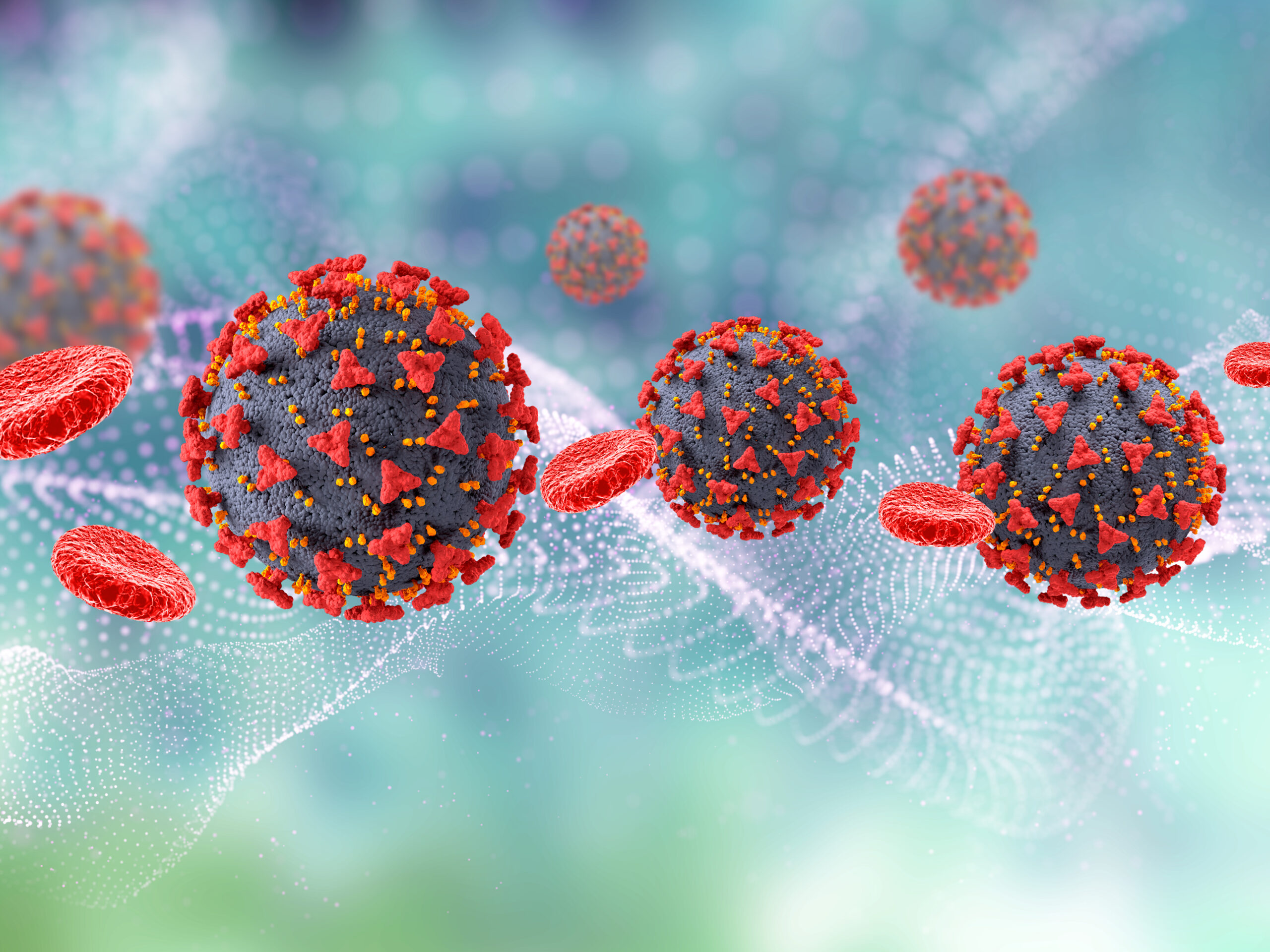
What is Blood Cancer?
Blood cancers (haematological malignancies) are cancers that affect the production and function of blood cells, primarily arising in the bone marrow, blood, or lymphatic system. The three major types are Leukemia (cancer of blood-forming cells), Lymphoma (cancer of lymphocytes — Hodgkin and Non-Hodgkin), and Multiple Myeloma (cancer of plasma cells). Each type has distinct subtypes, behaviour, and treatment. Modern targeted therapy and immunotherapy have transformed outcomes, making many blood cancers treatable and some curable.
Symptoms & Early Signs
Early recognition of symptoms leads to timely diagnosis and significantly better treatment outcomes. Do not ignore these warning signs.
Extreme Fatigue
Persistent, unexplained tiredness not relieved by rest — due to anaemia from abnormal blood cell production.
Recurrent Infections
Frequent infections due to abnormal white blood cells that cannot fight pathogens effectively.
Easy Bruising & Bleeding
Unexplained bruises, prolonged bleeding from cuts, or petechiae (small red dots under the skin).
Unexplained Fever
Low-grade or high-grade fever without any obvious infection, often persistent or recurrent.
Unintentional Weight Loss
Significant unexplained weight loss over weeks without dieting or increased activity.
Swollen Lymph Nodes
Painless swelling in the neck, armpit, or groin — a hallmark sign of lymphoma.
Bone Pain
Deep, aching bone pain — particularly in the back and ribs — is a common feature of multiple myeloma.
Night Sweats
Drenching night sweats that require a change of clothes are a classic 'B-symptom' of lymphoma.
Causes & Risk Factors
Understanding risk factors helps in early detection and prevention. Consult Dr. Gupta if you are at elevated risk.
Genetic Disorders
Down syndrome and certain chromosomal abnormalities increase leukemia risk, especially in children.
Prior Chemotherapy/Radiation
Treatment for other cancers can rarely lead to secondary haematological malignancies years later.
Chemical Exposure
Long-term exposure to benzene (petrol, paint, glue) significantly increases leukemia risk.
Smoking
Tobacco use is a known risk factor for acute myeloid leukemia (AML).
Immune Suppression
HIV infection or immunosuppressive drugs (post-transplant) raise lymphoma risk markedly.
Family History
First-degree relatives with CLL or lymphoma confer modestly elevated risk in some individuals.
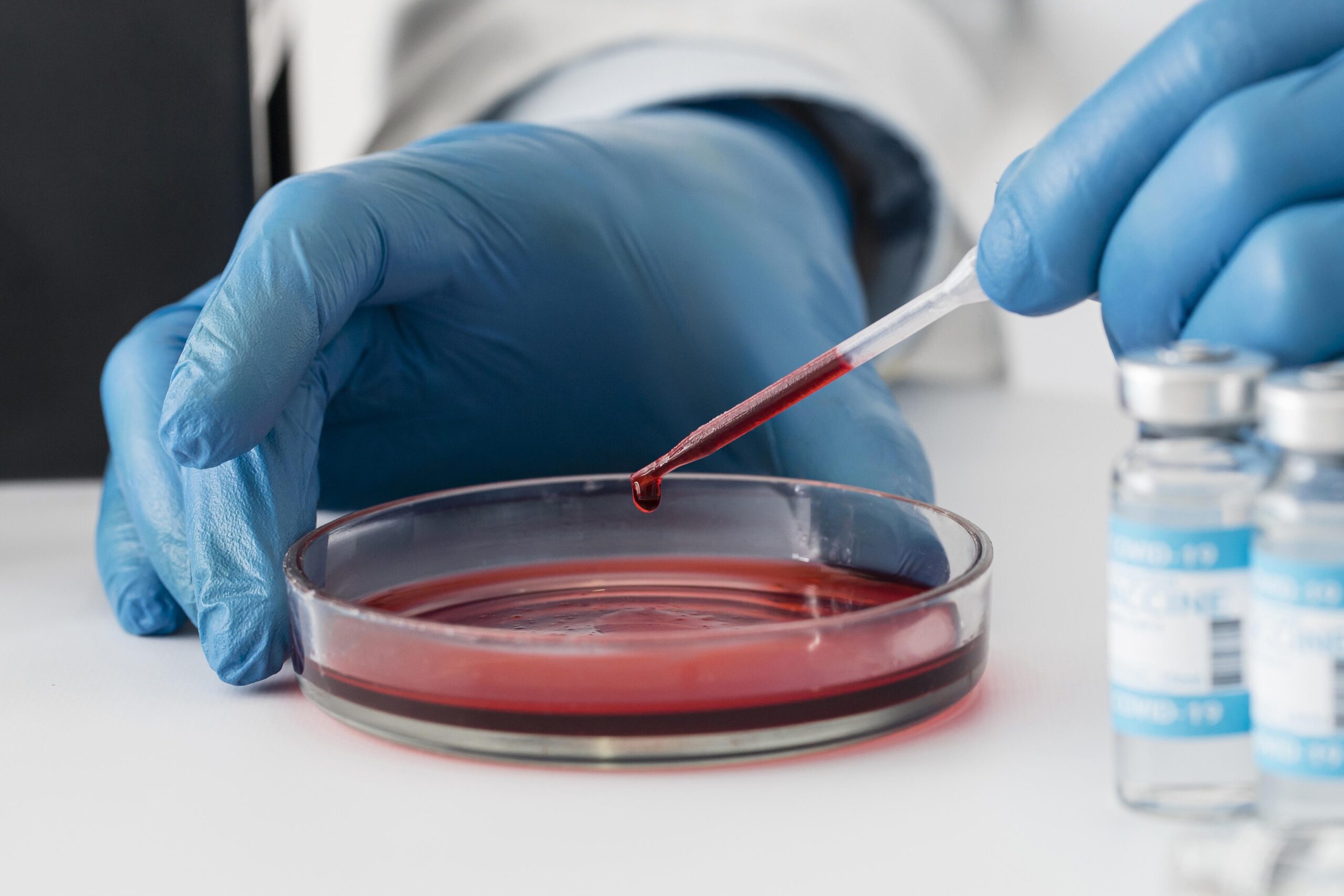
Blood Cancer — Early Diagnosis Changes Everything
A simple complete blood count (CBC) can raise the first red flag. If you notice persistent fatigue, repeated infections, or unexplained bruising, consult Dr. Gupta without delay.
Ready to Take the First Step?
Book a consultation with Dr. Novak Gupta today. Expert oncology care is just a call away.