

Expert Stomach Cancer
Treatment in Faridabad
Comprehensive gastric and gastroesophageal junction (GEJ) cancer management with FLOT, trastuzumab (HER2+), nivolumab, and ramucirumab — by Dr. Novak Gupta, Senior Oncologist.
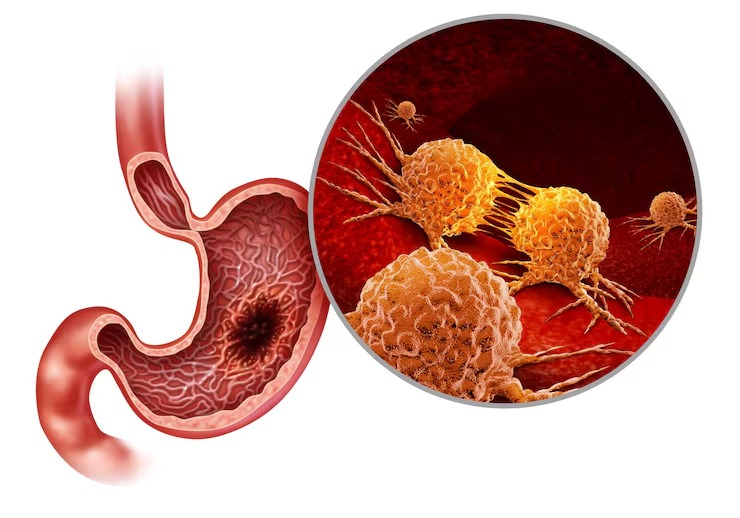
What is Stomach Cancer?
Gastric cancer (stomach cancer) is the fifth most common cancer globally and a leading cause of cancer mortality in South and East Asia. It most commonly arises from the gastric mucosa as adenocarcinoma (~90% of cases). The gastroesophageal junction (GEJ) is an increasingly common site. Helicobacter pylori infection is the primary risk factor for non-cardia gastric cancer. Molecular subtypes including HER2 overexpression (~15–20%), MSI-High (~15%), and EBV-positive (~9%) determine targeted treatment eligibility. Modern perioperative FLOT chemotherapy and first-line nivolumab have significantly improved outcomes.
Symptoms & Early Signs
Early recognition of symptoms leads to timely diagnosis and significantly better treatment outcomes. Do not ignore these warning signs.
Epigastric Pain / Discomfort
Persistent upper abdominal pain or burning discomfort — often confused with peptic ulcer disease or gastritis.
Loss of Appetite
Progressive reduction in appetite and food intake, particularly for meat — an early but often ignored warning sign.
Nausea & Vomiting
Nausea, fullness, or vomiting after eating even small amounts — especially in antral tumours causing outlet obstruction.
Unexplained Weight Loss
Significant and rapid weight loss without intentional dieting — often the presenting complaint in gastric cancer.
Blood in Stool / Vomit
Black tarry stools (melaena) or vomiting blood (haematemesis) from tumour bleeding — an urgent warning sign.
Anaemia & Fatigue
Iron deficiency anaemia from chronic occult blood loss causing fatigue and pallor — often the first laboratory clue.
Causes & Risk Factors
Understanding risk factors helps in early detection and prevention. Consult Dr. Gupta if you are at elevated risk.
Helicobacter pylori Infection
H. pylori is the primary environmental cause of non-cardia gastric cancer — classified as a definite carcinogen by WHO.
Salty & Smoked Foods
High consumption of salted, smoked, or pickled foods is strongly associated with gastric cancer in Asia.
Smoking & Alcohol
Tobacco smoking doubles gastric cancer risk; heavy alcohol use also contributes, particularly for GEJ tumours.
Atrophic Gastritis
Chronic atrophic gastritis and intestinal metaplasia are precancerous conditions — require surveillance endoscopy.
Hereditary Diffuse Gastric Cancer
CDH1 (E-cadherin) germline mutation causes hereditary diffuse gastric cancer — prophylactic gastrectomy advised.
Family History
First-degree relatives with gastric cancer confer 2–3× higher risk — warrant earlier endoscopy screening.
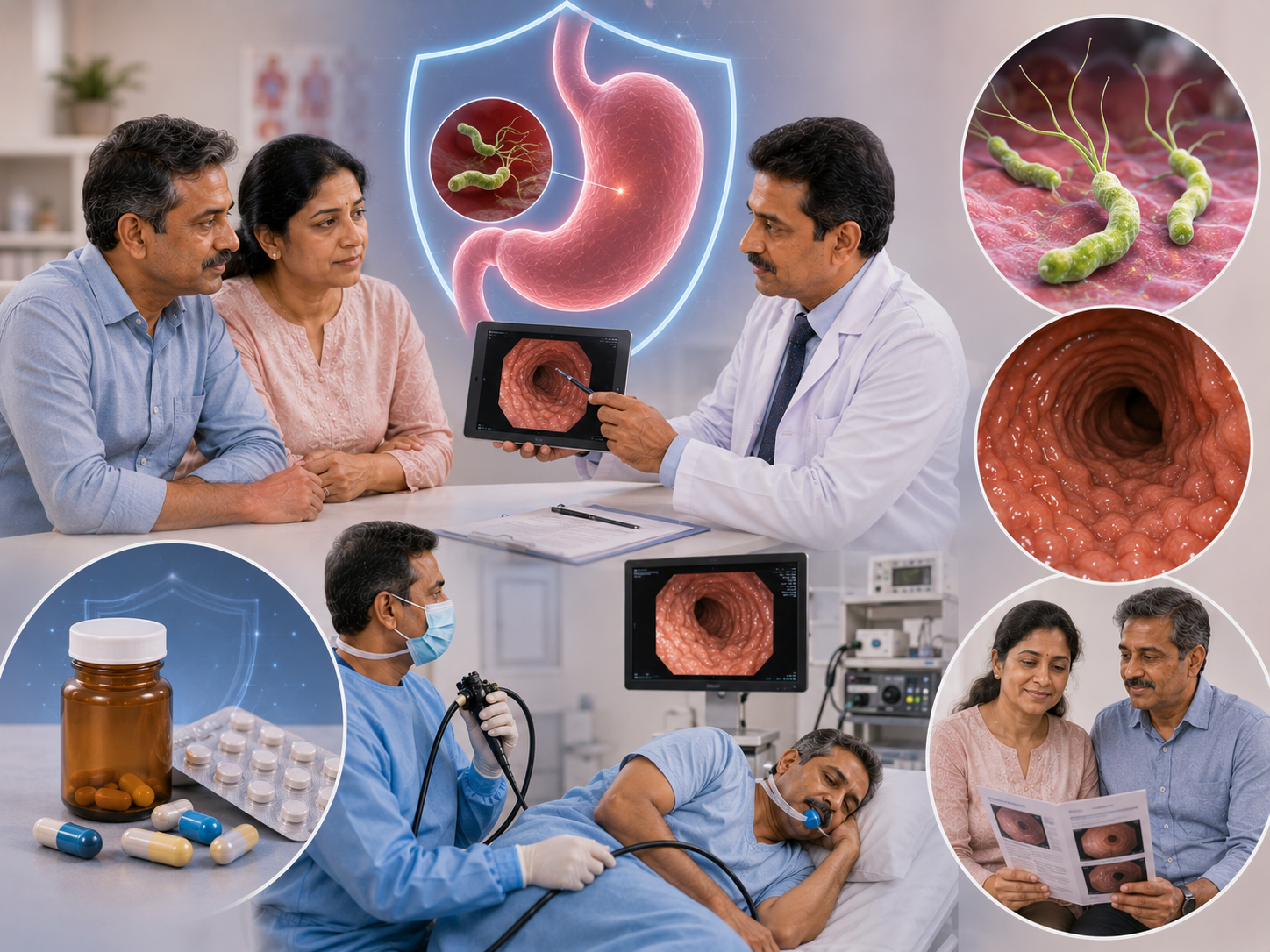
H. pylori Eradication — Reduce Gastric Cancer Risk
Testing for and eradicating H. pylori infection with antibiotics reduces gastric cancer risk. Individuals with atrophic gastritis, intestinal metaplasia, or family history should undergo regular surveillance endoscopy.
Ready to Take the First Step?
Book a consultation with Dr. Novak Gupta today. Expert oncology care is just a call away.