
Expert Skin Cancer
Treatment in Faridabad
Advanced melanoma and non-melanoma skin cancer treatment with pembrolizumab immunotherapy, BRAF/MEK inhibitors, and cetuximab — by Dr. Novak Gupta, Senior Medical Oncologist.
What is Skin Cancer?
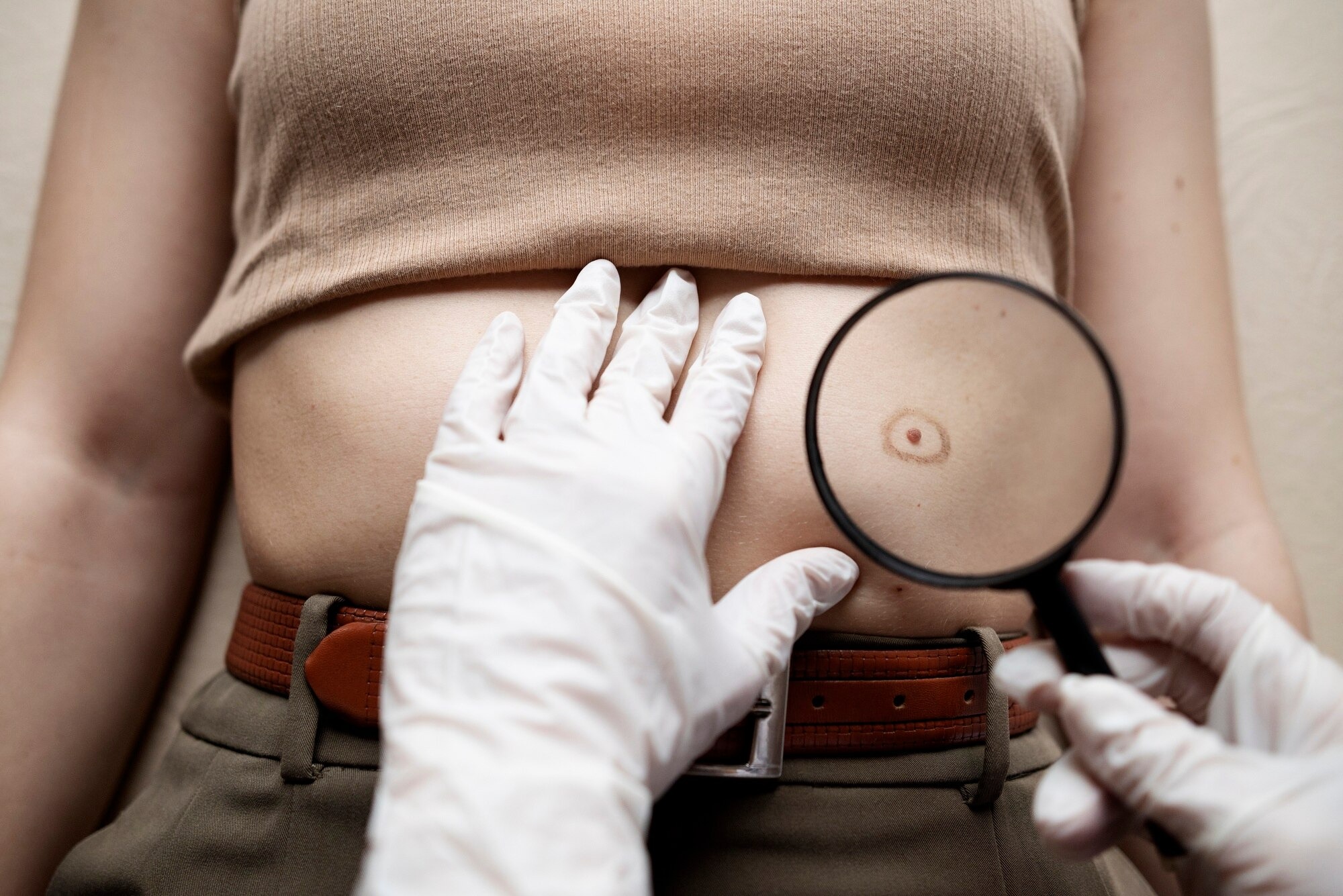
Skin cancer is the most common cancer globally, broadly divided into non-melanoma skin cancers (NMSCs — basal cell carcinoma and squamous cell carcinoma) and melanoma. BCC is the most common but rarely metastasises; SCC has more metastatic potential; melanoma, though less common, is the most aggressive and is responsible for the majority of skin cancer deaths. In India, squamous cell carcinoma is more prevalent than BCC, often arising from chronic sun exposure, burns, or inflammatory skin conditions. Advanced melanoma has been transformed by anti-PD-1 immunotherapy and BRAF-targeted therapy.
Symptoms & Early Signs
Early recognition of symptoms leads to timely diagnosis and significantly better treatment outcomes. Do not ignore these warning signs.
Changing Mole (ABCDE Rule)
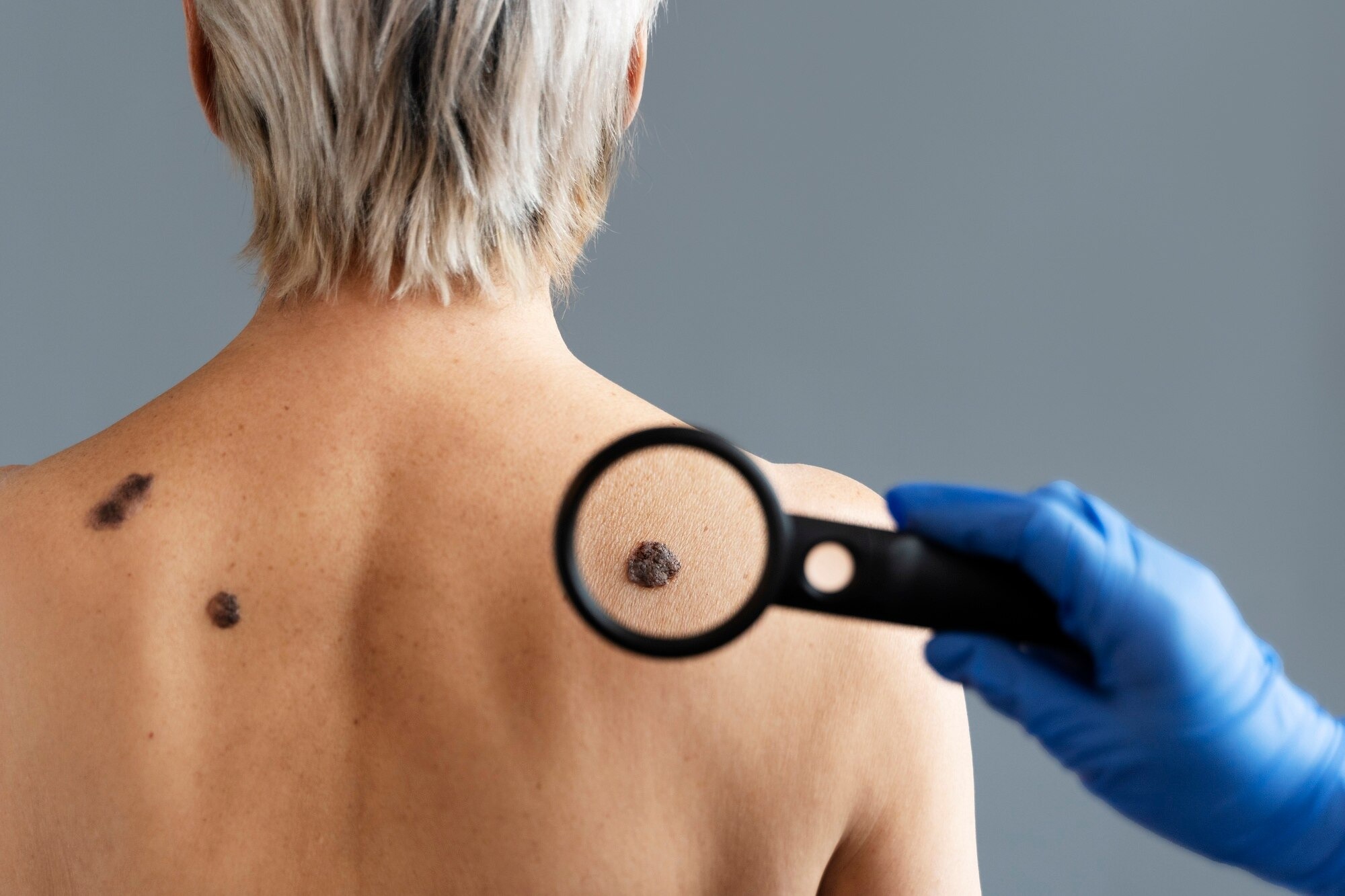
Asymmetry, irregular Border, multiple Colours, large Diameter (>6mm), or Evolving mole — classic melanoma signs.
Non-Healing Skin Sore
A sore, ulcer, or wound on the skin that does not heal within 4–6 weeks — a cardinal sign of skin cancer.
Pearly or Waxy Nodule
A shiny, pearly, or waxy bump on the face, ears, or neck — the classic appearance of basal cell carcinoma.
Scaly Red Patch
A rough, scaly, red or brown patch — may represent squamous cell carcinoma or actinic keratosis (precancer).
Bleeding Skin Lesion
A skin lesion that bleeds spontaneously or with minor trauma — always requires prompt dermatological evaluation.
Dark Streak Under Nail
Dark pigmented streak under a fingernail or toenail — may indicate subungual melanoma.
Causes & Risk Factors
Understanding risk factors helps in early detection and prevention. Consult Dr. Gupta if you are at elevated risk.
UV Radiation & Sun Exposure
Chronic and intense ultraviolet radiation exposure is the primary cause of all three major skin cancer types.
Fair Skin & Light Features
People with fair skin, light hair, and blue/green eyes have less melanin protection and higher UV damage risk.
History of Sunburns
Blistering sunburns in childhood or adolescence significantly increase lifetime melanoma risk.
Multiple or Atypical Moles
Having >50 moles or atypical (dysplastic) nevi substantially raises melanoma risk.
CDKN2A Mutation
Familial melanoma gene — CDKN2A mutations in families with multiple melanoma cases confer very high lifetime risk.
Immunosuppression
Post-transplant patients and those with HIV have markedly elevated SCC risk due to impaired immune surveillance.
Sun Protection — The Best Skin Cancer Prevention
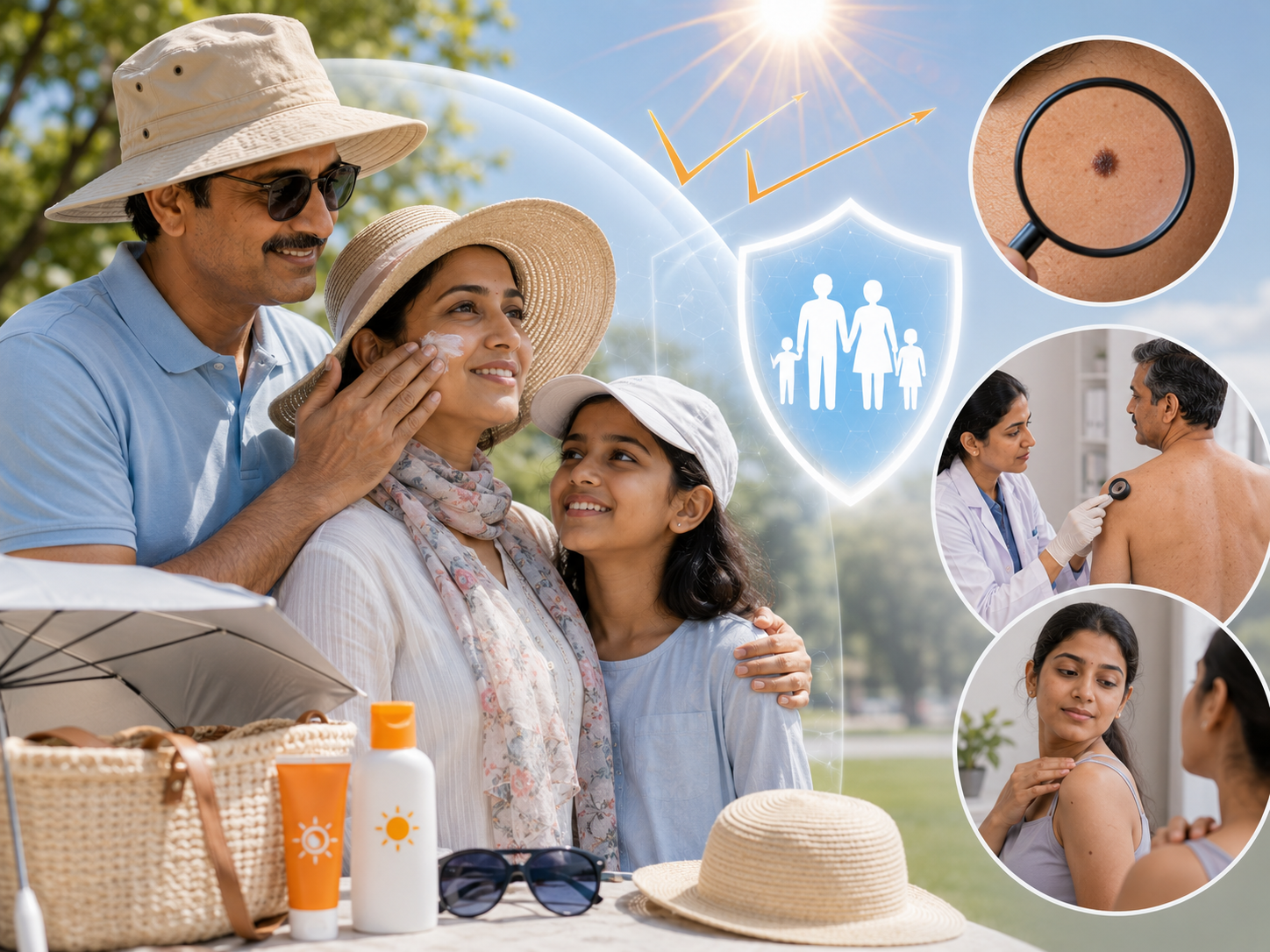
Broad-spectrum SPF 30+ sunscreen, protective clothing, and avoiding peak UV hours significantly reduce skin cancer risk. Monthly self-examination of skin and annual dermatological review for high-risk individuals can detect early lesions.
Ready to Take the First Step?
Book a consultation with Dr. Novak Gupta today. Expert oncology care is just a call away.