
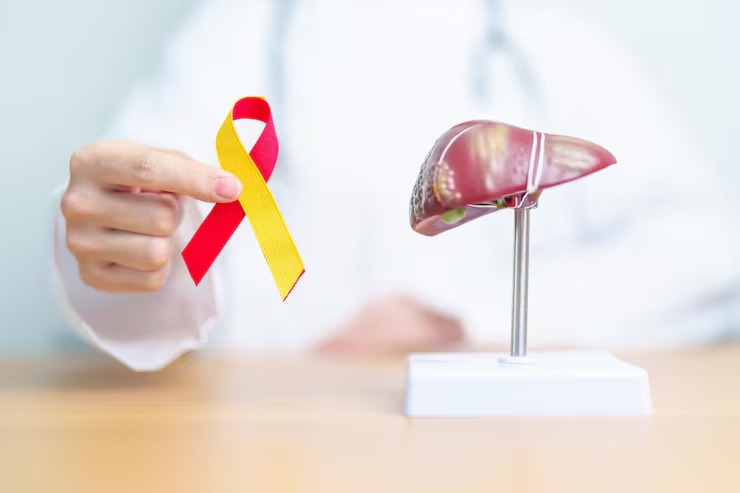
Expert Liver Cancer
Treatment in Faridabad
Comprehensive hepatocellular carcinoma (HCC) management with atezolizumab + bevacizumab, sorafenib, lenvatinib, and systemic chemotherapy — led by Dr. Novak Gupta, Senior Oncologist.
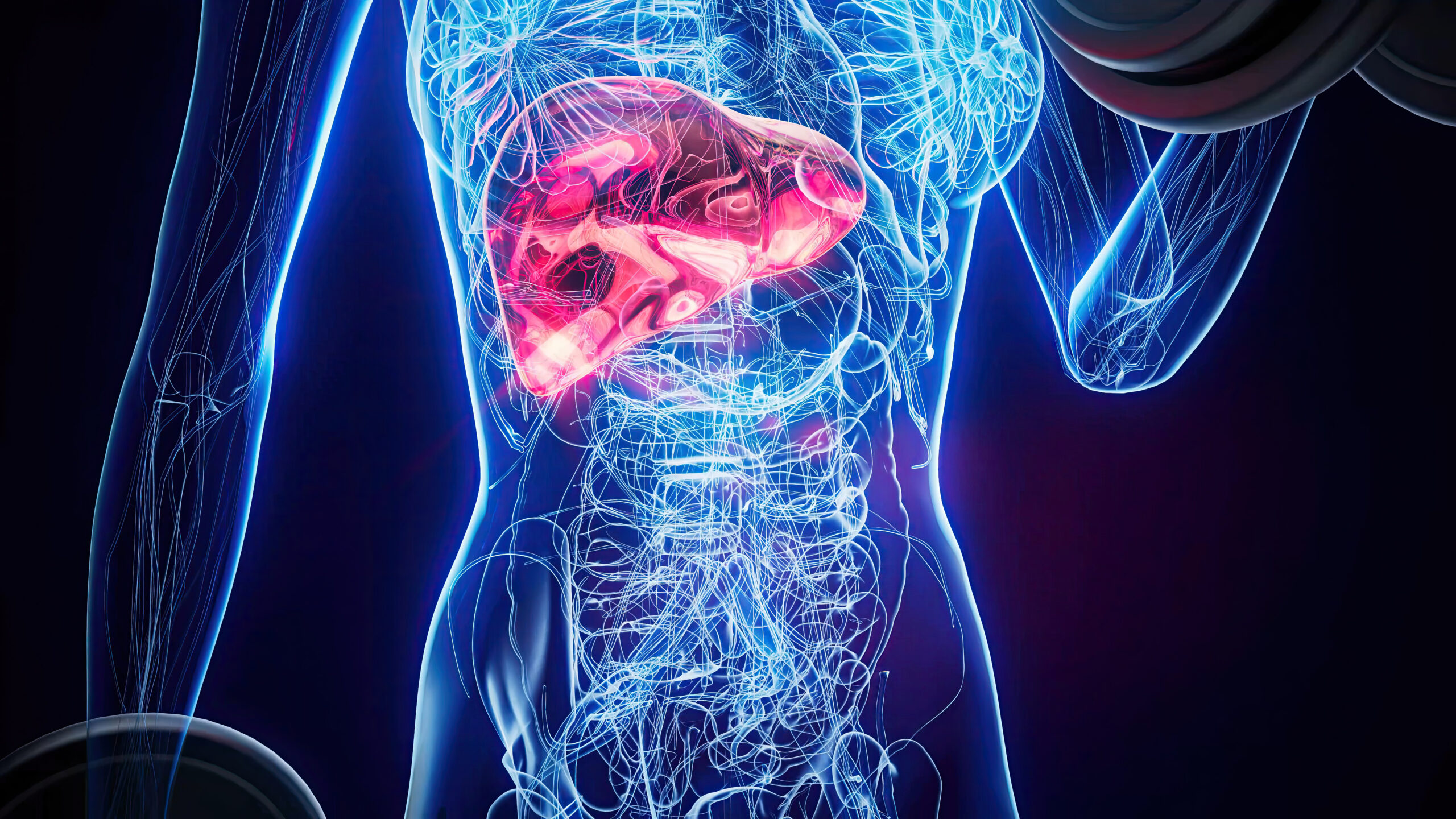
What is Liver Cancer?
Primary liver cancer most commonly presents as Hepatocellular Carcinoma (HCC), arising from hepatocytes (liver cells), and is the sixth most common cancer worldwide. It overwhelmingly occurs in the setting of underlying liver disease — chronic hepatitis B or C infection, alcohol-related liver disease, or non-alcoholic steatohepatitis (NASH) with cirrhosis. HCC has a dual blood supply (hepatic artery and portal vein), making it uniquely amenable to loco-regional therapies like TACE. Systemic treatment has been transformed by immunotherapy combinations, with atezolizumab + bevacizumab now the preferred first-line regimen.
Symptoms & Early Signs
Early recognition of symptoms leads to timely diagnosis and significantly better treatment outcomes. Do not ignore these warning signs.
Abdominal Pain
Pain or discomfort in the right upper abdomen — the most common presenting symptom of advanced HCC.

Abdominal Swelling
Progressive abdominal distension due to ascites (fluid accumulation) from portal hypertension or peritoneal spread.
Jaundice
Yellowing of skin and eyes due to bile duct obstruction or severe liver dysfunction from tumour replacement.
Weight Loss & Anorexia
Significant unintentional weight loss, loss of appetite, and profound fatigue are common systemic symptoms.
Hepatomegaly
Palpable firm, enlarged liver on abdominal examination — often the first clinical finding in advanced HCC.
Fever
Unexplained persistent fever due to tumour necrosis — a paraneoplastic feature of hepatocellular carcinoma.
Causes & Risk Factors
Understanding risk factors helps in early detection and prevention. Consult Dr. Gupta if you are at elevated risk.
Chronic Hepatitis B (HBV)
Chronic HBV infection is the single most important cause of HCC globally — responsible for >50% of cases.
Chronic Hepatitis C (HCV)
Untreated chronic HCV leads to cirrhosis and HCC in 1–5% of patients per year.
Alcoholic Cirrhosis
Long-term heavy alcohol use leading to cirrhosis is a major risk factor for HCC in Western populations.
NASH / NAFLD
Non-alcoholic steatohepatitis and fatty liver disease are rapidly increasing causes of cirrhosis and HCC.
Aflatoxin Exposure
Aflatoxin B1 from contaminated grain and nuts is a potent liver carcinogen, particularly with HBV co-infection.
Diabetes & Obesity
Metabolic syndrome, Type 2 diabetes, and obesity are independent risk factors for NAFLD-related HCC.

Hepatitis Vaccination & Antiviral Therapy — Prevent Liver Cancer
Hepatitis B vaccination is a proven cancer-prevention strategy. Antiviral therapy for chronic HBV and HCV significantly reduces cirrhosis progression and HCC risk. Dr. Gupta recommends screening for all patients with known liver disease.
Ready to Take the First Step?
Book a consultation with Dr. Novak Gupta today. Expert oncology care is just a call away.