

Comprehensive Cervical Cancer
Treatment in Faridabad
Expert management of cervical cancer with cisplatin-based chemoradiation, bevacizumab targeted therapy, and pembrolizumab immunotherapy — guided by Dr. Novak Gupta, Senior Oncologist.
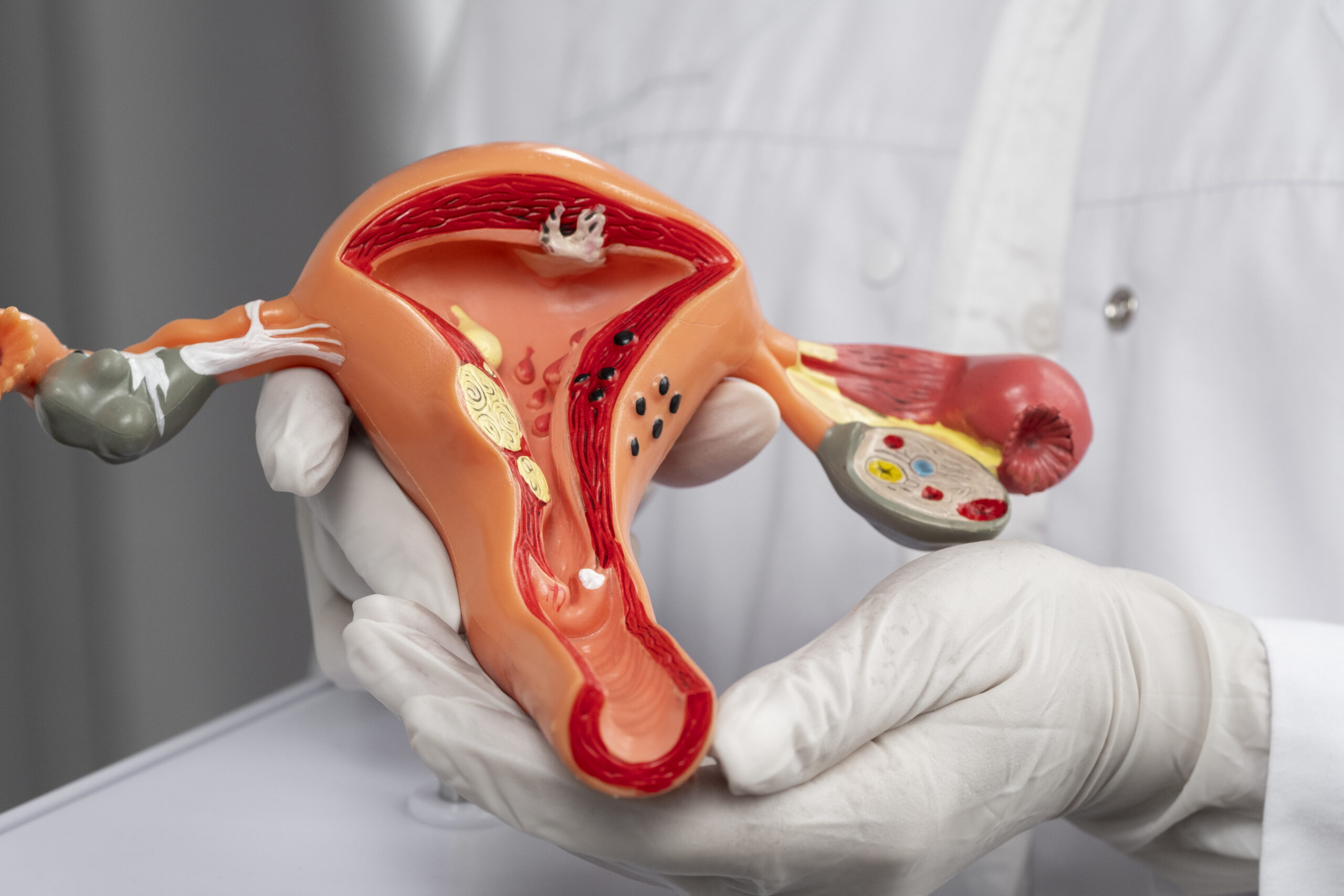
What is Cervical Cancer?
Cervical cancer is the second most common cancer in Indian women, caused in over 99% of cases by persistent infection with high-risk Human Papillomavirus (HPV), particularly HPV-16 and HPV-18. It develops from precancerous lesions (CIN) in the transformation zone of the cervix, progressing slowly over years to invasive cancer. Squamous cell carcinoma accounts for ~70%, adenocarcinoma ~20%. The disease is largely preventable through HPV vaccination and detectable at a curable stage with regular Pap smear or HPV screening.
Symptoms & Early Signs
Early recognition of symptoms leads to timely diagnosis and significantly better treatment outcomes. Do not ignore these warning signs.
Abnormal Vaginal Bleeding
Post-coital bleeding, intermenstrual bleeding, or post-menopausal bleeding are the most common warning signs.
Unusual Vaginal Discharge
Persistent watery, blood-tinged, or foul-smelling vaginal discharge that is different from normal.
Pelvic Pain
Pain during intercourse (dyspareunia) or persistent lower abdominal and pelvic pain without obvious cause.
Leg Swelling
Unilateral leg swelling due to lymph node compression or deep vein thrombosis in advanced disease.
Bladder & Bowel Symptoms
Haematuria (blood in urine) or rectal bleeding if the tumour invades adjacent organs in advanced disease.
Weight Loss & Fatigue
Unexplained weight loss and significant tiredness are systemic signs of advanced cervical malignancy.
Causes & Risk Factors
Understanding risk factors helps in early detection and prevention. Consult Dr. Gupta if you are at elevated risk.
HPV Infection
Persistent infection with high-risk HPV (16, 18, 31, 33) is the single necessary cause of cervical cancer.
Multiple Sexual Partners
Higher number of lifetime sexual partners increases the probability of HPV acquisition and persistence.
Smoking
Tobacco carcinogens accumulate in cervical mucus and impair local immune clearance of HPV.
Long-term OCP Use
Using oral contraceptive pills for more than 5 years modestly increases cervical cancer risk.
Immunosuppression
HIV-positive women and those on immunosuppressive drugs have markedly higher cervical cancer risk.
No Screening History
Women who have never had a Pap smear are at substantially higher risk due to missed precancerous lesions.
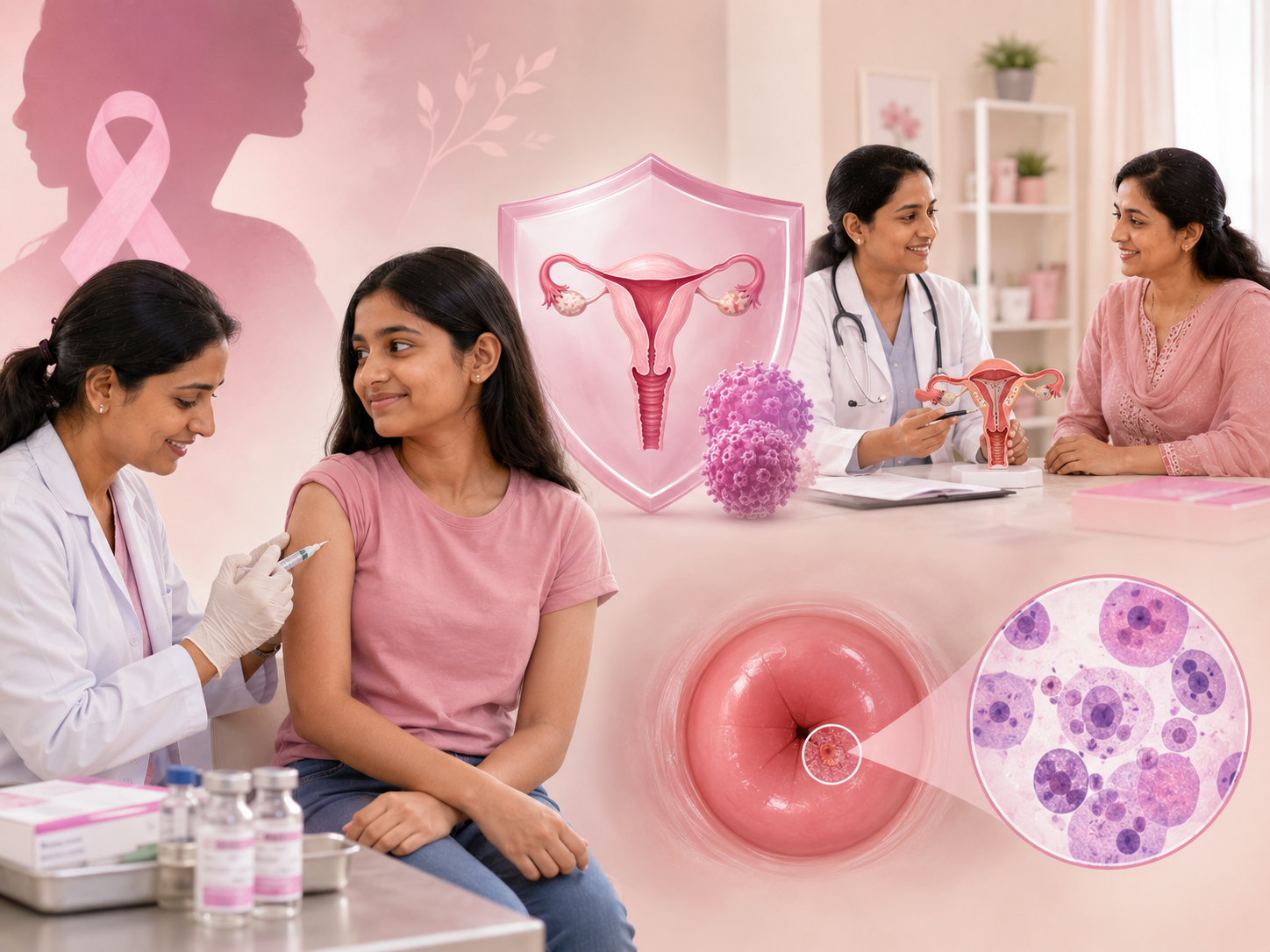
Prevention First — HPV Vaccine & Regular Screening
HPV vaccination before sexual debut prevents infection with HPV-16 and 18, which together cause 70% of cervical cancers. Regular cervical screening can detect and treat precancerous changes before they become invasive cancer.
Ready to Take the First Step?
Book a consultation with Dr. Novak Gupta today. Expert oncology care is just a call away.