
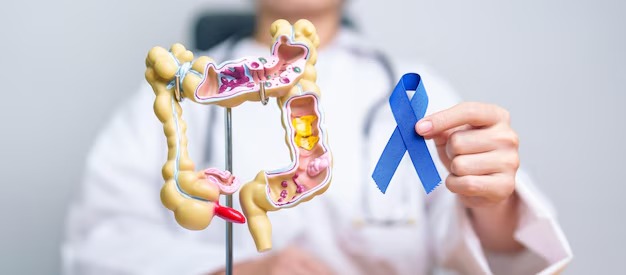
Advanced Colorectal Cancer
Treatment in Faridabad
Precision treatment of colon and rectal cancer with FOLFOX, FOLFIRI, CAPOX regimens, anti-VEGF/anti-EGFR targeted therapy, and immunotherapy for MSI-H tumours — by Dr. Novak Gupta.
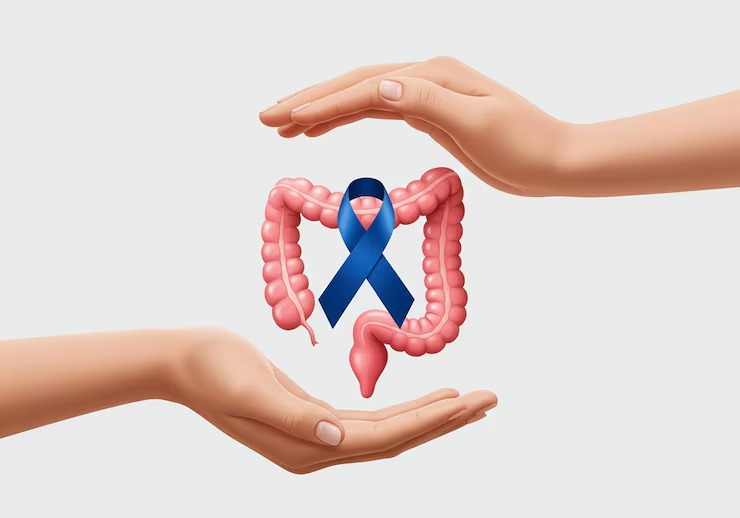
What is Colorectal Cancer?
Colorectal cancer (CRC) is the third most common cancer globally, arising from the inner lining of the colon or rectum — typically from adenomatous polyps that undergo malignant transformation over years. Molecular profiling for RAS (KRAS, NRAS), BRAF, MSI/MMR status, and HER2 is now essential to guide targeted treatment choices. MSI-high (microsatellite instable) colorectal cancers respond dramatically to immune checkpoint inhibitors. Early detection via colonoscopy can prevent cancer or detect it at a curable stage.
Symptoms & Early Signs
Early recognition of symptoms leads to timely diagnosis and significantly better treatment outcomes. Do not ignore these warning signs.
Rectal Bleeding
Blood in stool (bright red or dark/tarry) — one of the most important warning signs of colorectal cancer.
Change in Bowel Habits
Persistent change in stool frequency, consistency, or calibre (narrow stools) lasting more than a few weeks.
Abdominal Pain
Persistent cramps, gas pain, or discomfort in the lower abdomen that does not resolve with usual remedies.
Incomplete Evacuation
A feeling that the bowel has not emptied completely (tenesmus) — common with rectal cancer.
Unexplained Weight Loss
Significant weight loss without dieting, combined with loss of appetite — a systemic cancer sign.
Anaemia & Fatigue
Iron deficiency anaemia from occult (hidden) blood loss causing profound tiredness, often the first sign.
Causes & Risk Factors
Understanding risk factors helps in early detection and prevention. Consult Dr. Gupta if you are at elevated risk.
Age >45 Years
Risk increases significantly with age; most cases occur in people over 50.
Adenomatous Polyps
Colorectal adenomas — particularly large or villous polyps — are the direct precursors of most CRC.
Inflammatory Bowel Disease
Long-standing Crohn's disease or ulcerative colitis significantly raises colorectal cancer risk.
Family History / Lynch Syndrome
First-degree relatives with CRC or Lynch syndrome (hereditary CRC) dramatically increase personal risk.
Diet & Lifestyle
High red/processed meat intake, low fibre diet, obesity, physical inactivity, and alcohol use are all risk factors.
Smoking & Alcohol
Both tobacco and heavy alcohol consumption are independently associated with elevated CRC risk.

Diet, Screening & Early Detection — Your Best Defence
A high-fibre diet rich in fruits and vegetables, regular physical activity, and routine colonoscopy screening are the most effective ways to prevent colorectal cancer or catch it at its most curable stage.
Ready to Take the First Step?
Book a consultation with Dr. Novak Gupta today. Expert oncology care is just a call away.