

Advanced Ovarian Cancer
Treatment in Faridabad
Comprehensive ovarian cancer care with carboplatin-paclitaxel chemotherapy, olaparib/niraparib PARP inhibitor maintenance, and bevacizumab — by Dr. Novak Gupta, Senior Oncologist.
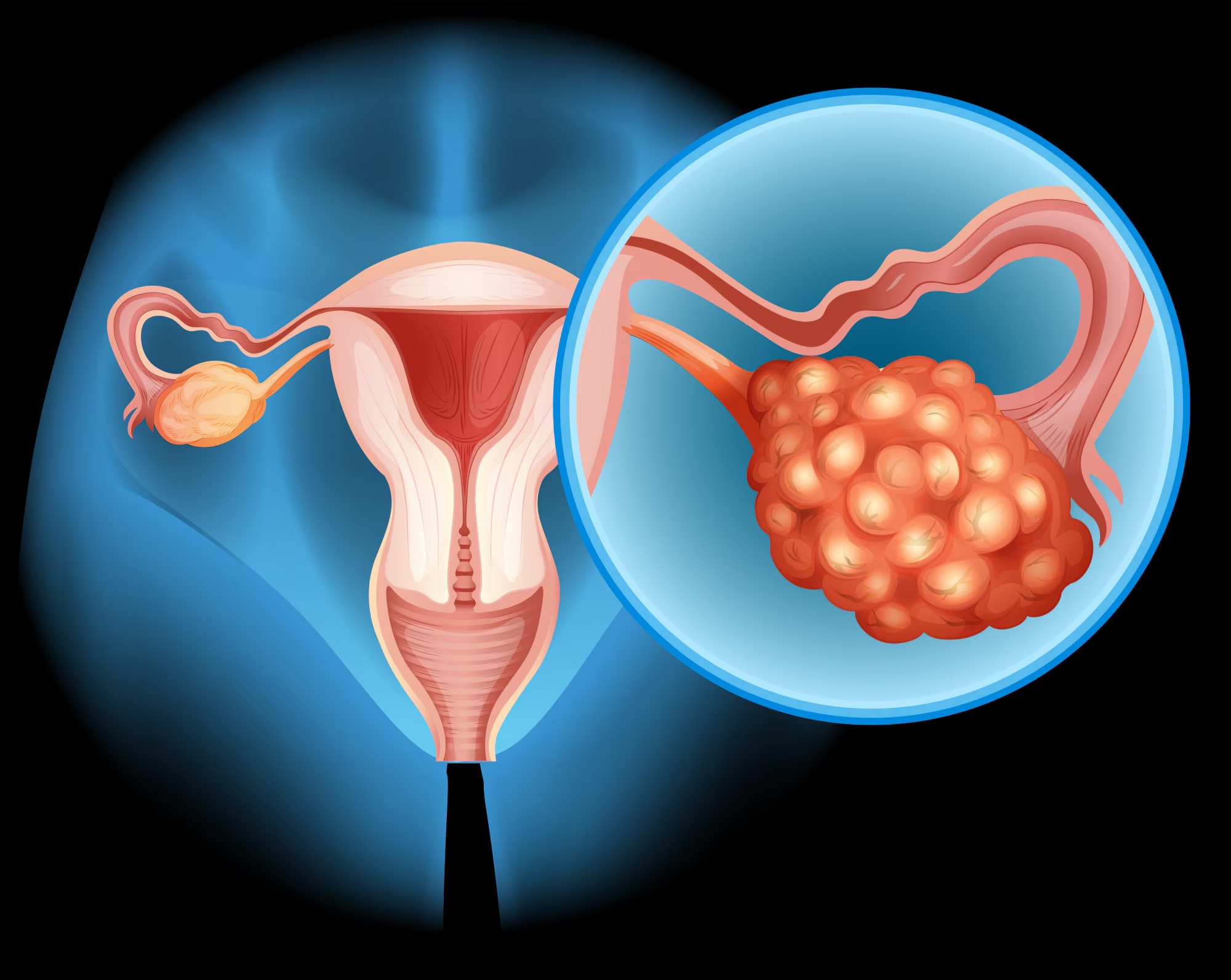
What is Ovarian Cancer?
Ovarian cancer is the most lethal gynaecological malignancy, often called the 'silent killer' because it presents at advanced stages in most women. The most common type is epithelial ovarian carcinoma (~90%), particularly high-grade serous carcinoma (HGSC). BRCA1 and BRCA2 mutations are present in ~15–20% of ovarian cancers and are crucial to identify — not only for hereditary risk counselling but also because BRCA-mutated tumours respond particularly well to platinum-based chemotherapy and PARP inhibitors. Modern maintenance strategies with PARP inhibitors have dramatically extended progression-free survival.
Symptoms & Early Signs
Early recognition of symptoms leads to timely diagnosis and significantly better treatment outcomes. Do not ignore these warning signs.
Abdominal Bloating
Persistent abdominal bloating or distension — different from normal bloating in severity and persistence.
Pelvic Pain
Persistent pelvic or lower abdominal pain or pressure that is new and does not resolve spontaneously.
Early Satiety
Feeling full quickly after eating even small amounts — due to mass effect of tumour or ascites.
Urinary Symptoms
Increased urinary urgency or frequency not explained by a urinary infection.
Abdominal Swelling
Progressive increase in abdominal girth due to large pelvic mass or accumulation of ascites.
Weight Loss & Fatigue
Unintentional weight loss and profound fatigue — systemic features of advanced ovarian malignancy.
Causes & Risk Factors
Understanding risk factors helps in early detection and prevention. Consult Dr. Gupta if you are at elevated risk.
BRCA1 / BRCA2 Mutations
Lifetime risk of ovarian cancer is 44% (BRCA1) and 17% (BRCA2) — gene testing is essential for family history.
Family History
First-degree relatives with ovarian or breast cancer significantly increase personal ovarian cancer risk.
Lynch Syndrome
Lynch syndrome (MLH1, MSH2 mutations) raises ovarian cancer risk in addition to colon and endometrial cancers.
Nulliparity & Infertility
Women who have never been pregnant or who have used fertility drugs have modestly elevated risk.
Hormone Replacement Therapy
Long-term postmenopausal HRT (estrogen-only) is associated with increased ovarian cancer risk.
Age
Risk increases significantly after age 50, with most cases diagnosed in post-menopausal women.

BRCA Testing — Know Your Risk, Change Your Future
All women with ovarian cancer should undergo germline BRCA1/BRCA2 testing regardless of family history. BRCA carriers and their relatives benefit enormously from enhanced surveillance and risk-reducing options.
Ready to Take the First Step?
Book a consultation with Dr. Novak Gupta today. Expert oncology care is just a call away.