Breast Cancer Myths vs. Facts: Everything You Need to Know

Life After Breast Cancer Treatment: A Complete Guide to Recovery
July 10, 2026
Advances in Lung Cancer Treatment: New Hope Through Modern Medical Breakthroughs
July 15, 2026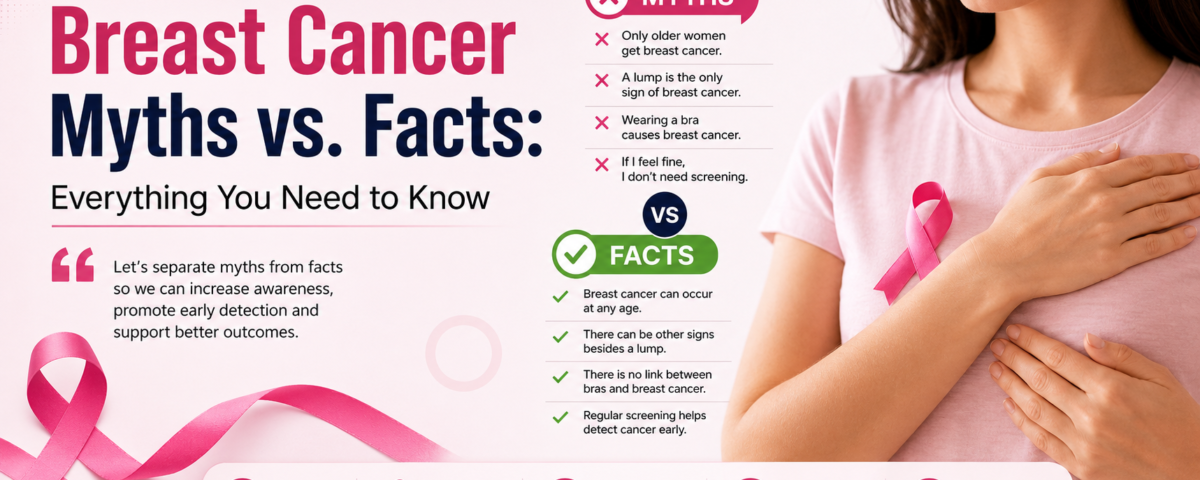
Introduction
Breast cancer is one of the most talked-about health conditions in the world, but it is also surrounded by many myths and misunderstandings. These false ideas can create fear, delay early checkups, and stop people from taking the right steps for prevention and treatment. Knowing the truth is important because breast cancer treatment in faridabad can affect anyone, and early awareness can save lives.
This article explains the most common myths and facts about breast cancer in a simple way. It is meant to help readers understand the condition better, avoid confusion, and make informed health choices.

What Breast Cancer Really Is
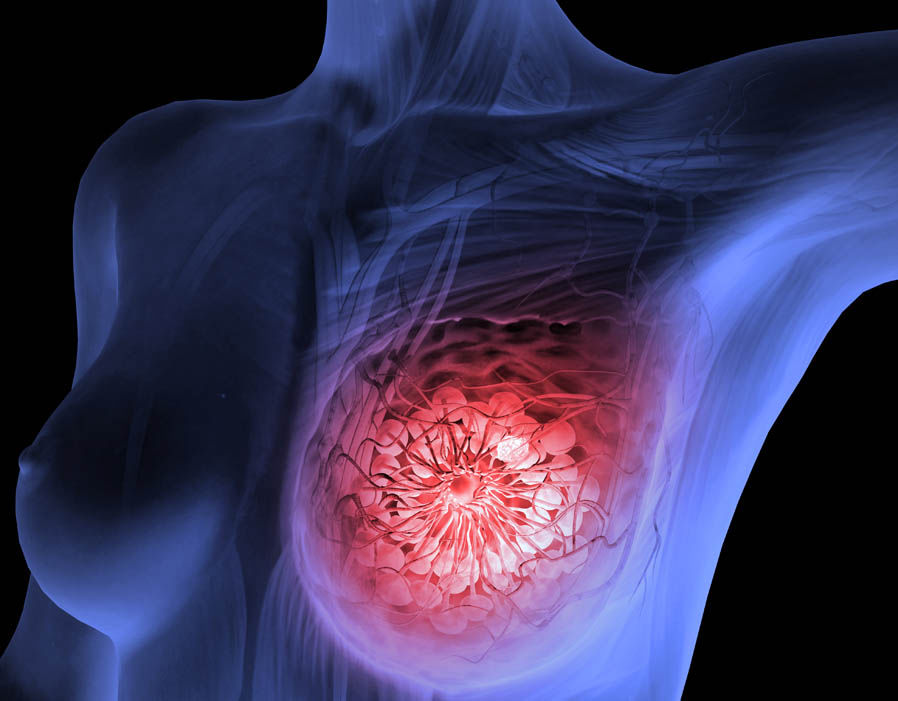
Breast cancer begins when abnormal cells in the breast start growing in an uncontrolled way. These cells can form a lump or spread to other parts of the body if not treated in time. Breast cancer is not just one disease. There are different types, and each one may behave differently.
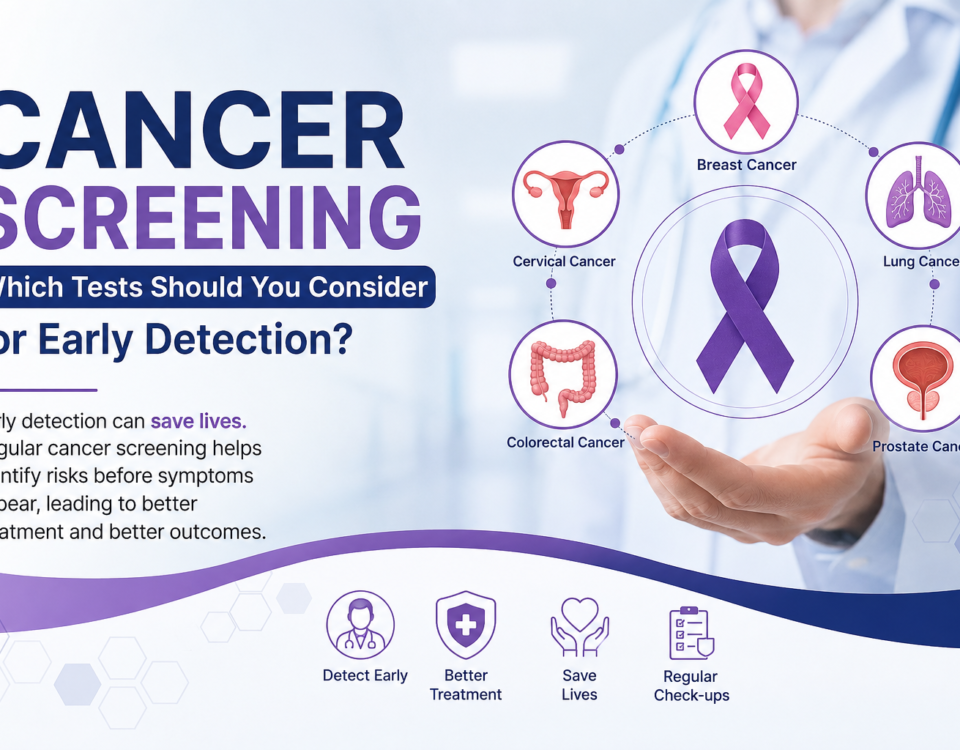
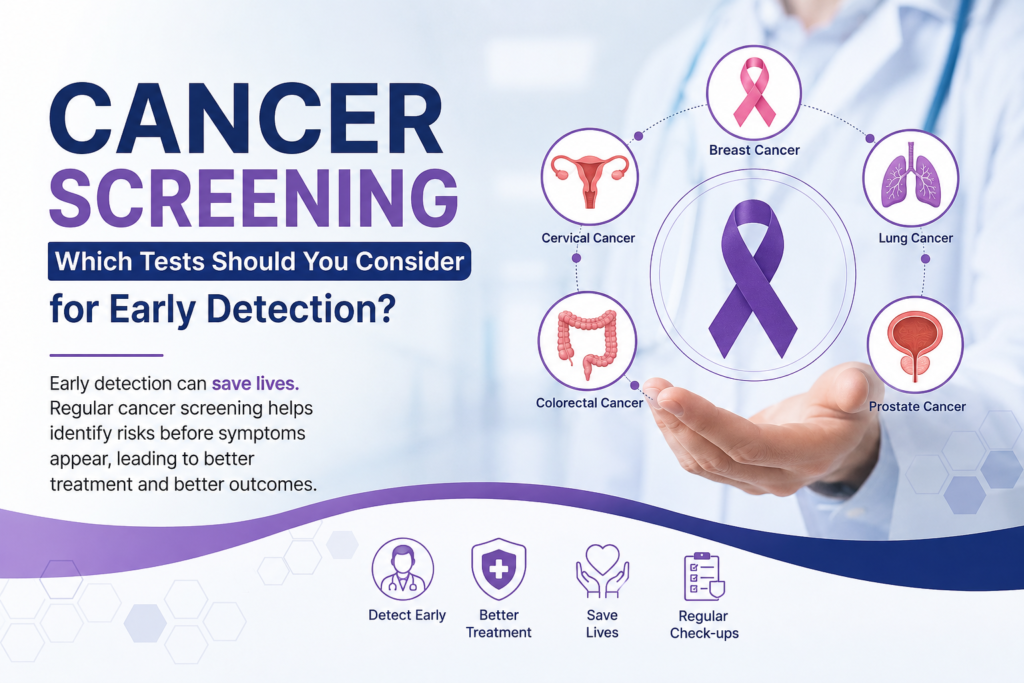
Early detection is one of the most effective ways to improve outcomes. That is why regular awareness, self-checks, and medical screening are so important.
Myth 1: Breast Cancer Only Affects Women
One of the biggest myths is that only women can get breast cancer. While it is much more common in women, men can also develop it. Male breast cancer is less common, but it is real and should not be ignored.
Fact: Breast cancer can affect both women and men. Anyone who notices unusual changes in the breast area should get medical advice.
Myth 2: A Family History Means You Will Definitely Get It
Many people believe that if breast cancer runs in the family, they are certain to get it too. This is not true. A family history may increase risk, but it does not guarantee that a person will develop breast cancer.
Fact: Family history is only one risk factor. Many people who develop breast cancer have no family history at all. At the same time, some people with a strong family history never get the disease.
Myth 3: Only Older People Get Breast Cancer
Breast cancer is more common with age, but younger people can also be diagnosed with it. Because of this, younger adults should not ignore warning signs just because they think they are too young.
Fact: Breast cancer can happen at different ages. Being young does not make someone fully safe from it.
Myth 4: A Lump Is the Only Warning Sign
A lump is a well-known sign of breast cancer, but it is not the only one. Some breast cancers may cause other changes that are easy to overlook.
Fact: Warning signs may include:
- A new lump or thick area in the breast or underarm
- Change in the size or shape of the breast
- Skin dimpling or redness
- Nipple discharge that is not normal
- Nipple turning inward
- Pain in the breast that does not go away
Not every change means cancer, but every unusual change should be checked by a doctor.
Myth 5: Wearing a Bra Can Cause Breast Cancer
This is a common myth, but there is no scientific proof that bras cause breast cancer. The type of bra a person wears does not determine whether they will develop the disease.
Fact: Breast cancer is linked to genetic, hormonal, lifestyle, and environmental factors, not to bra use.
Myth 6: If You Feel Fine, You Do Not Need Screening
Some people believe that if they do not have pain or symptoms, they do not need any screening. This is risky because breast cancer may develop without causing noticeable symptoms in the early stages.
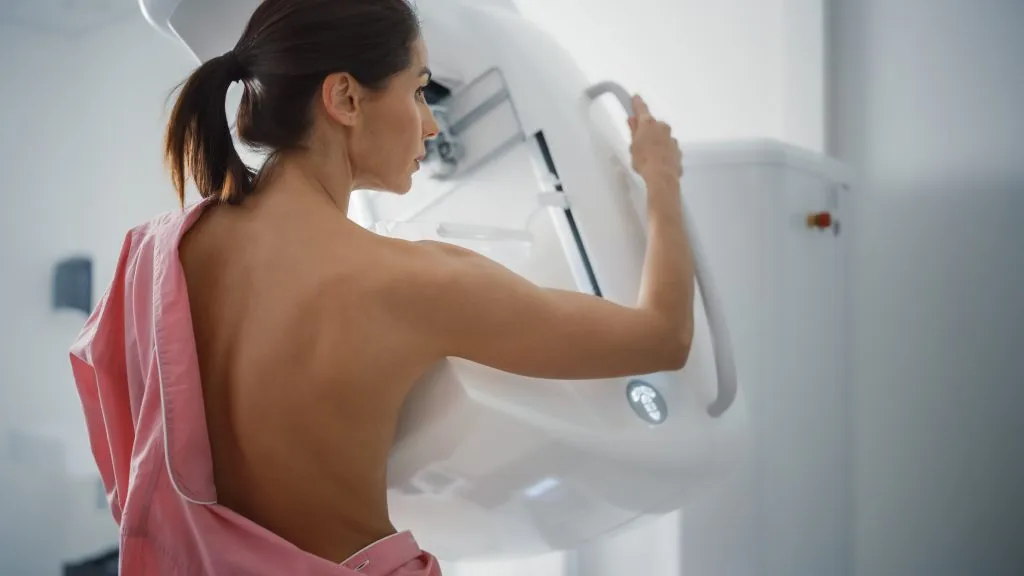
Fact: Screening can help find breast cancer before symptoms become serious. Mammograms and doctor visits are important even when a person feels healthy.
Why Early Detection Matters
Finding breast cancer early can make treatment more effective and less complicated. When cancer is found at an early stage, there are often more treatment choices and better chances of recovery.
Early detection may help with:
- Faster treatment
- Better survival rates
- Less spreading of cancer
- More treatment options
- Lower emotional stress from late diagnosis
This is why awareness and screening matter so much.
Common Risk Factors
Breast cancer can happen for many reasons. Some risk factors can be changed, while others cannot.
Some known risk factors include:
- Increasing age
- Family history of breast cancer
- Certain inherited gene changes
- Hormone exposure over time
- Obesity after menopause
- Lack of physical activity
- Alcohol use
- Previous radiation exposure to the chest
Having one or more risk factors does not mean a person will definitely get breast cancer. It only means the risk may be higher.
Healthy Habits That Support Breast Health
There is no single way to prevent breast cancer completely, but healthy habits may help lower risk and support overall health.
Helpful habits include:
- Staying physically active
- Eating a balanced diet
- Maintaining a healthy weight
- Limiting alcohol
- Not smoking
- Going for regular health checkups
- Following screening advice from a doctor
These habits support the body and can play a role in reducing health risks.
Breast Self-Awareness Is Important
Breast self-awareness means knowing what is normal for your body and noticing changes early. It does not mean panic or fear. It simply means paying attention.
A person should see a healthcare professional if they notice:
- Any new lump
- Unusual swelling
- Skin changes
- Nipple changes
- Ongoing pain or discomfort
Not every change is dangerous, but it is always better to get it checked.
Treatment Is Better Than the Past
Another myth is that a breast cancer diagnosis always means the worst outcome. This is not true. Treatment has improved a lot over the years. Many people recover and continue living full, active lives after treatment.
Treatment may include:
- Surgery
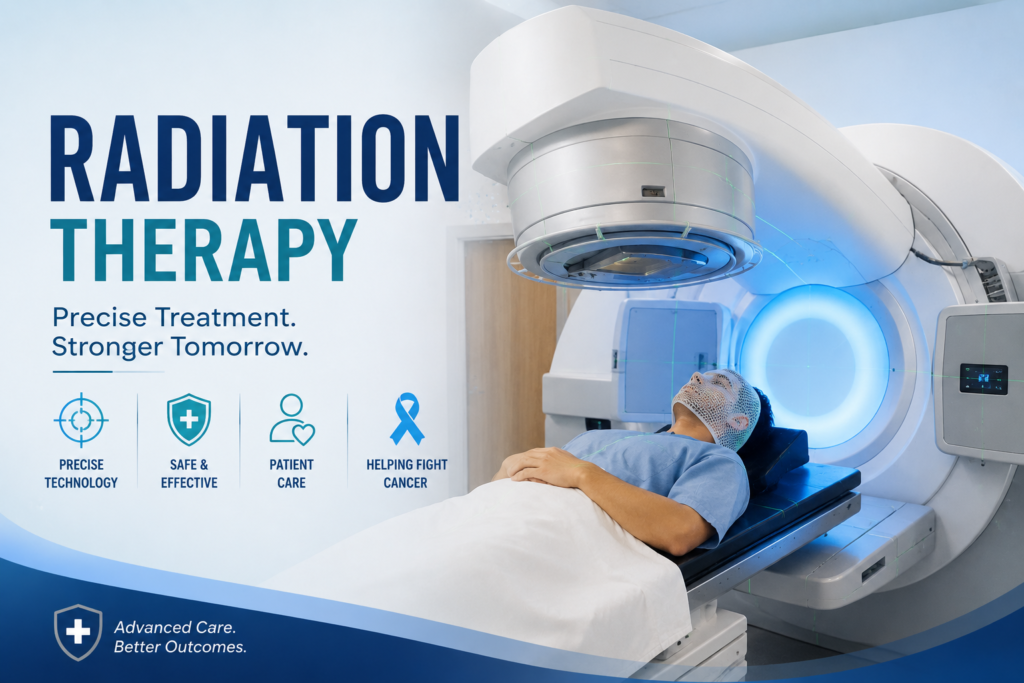
- Radiation therapy
- Chemotherapy
- Hormone therapy
- Targeted therapy
- Immunotherapy in some cases
The treatment plan depends on the type and stage of cancer. Doctors usually create a plan based on the patient’s condition and needs.
Emotional Support Matters Too
Breast cancer can be difficult not only physically but also emotionally. Fear, stress, confusion, and sadness are common. Support from family, friends, doctors, and counselors can make a big difference.
Support may include:
- Talking openly with loved ones
- Joining a support group
- Asking questions during doctor visits
- Getting counseling if needed
- Staying informed from trusted medical sources
Good support can help patients and families feel less alone.
Conclusion
Breast cancer myths can create fear and confusion, but facts help people make smarter health choices. Breast cancer does not only affect women, a family history does not guarantee disease, and a lump is not the only warning sign. Screening, awareness, and early detection are some of the best tools for protecting health.
Knowing the truth about cancer treatment hospital in faridabad can encourage timely checkups, reduce unnecessary fear, and support better outcomes. The more people understand breast cancer, the better prepared they are to act early and seek proper care when needed.