Understanding Kidney Cancer: Causes, Symptoms, and Treatment Guide

Lung Cancer: Everything You Need to Know About Diagnosis and Treatment
July 1, 2026
Life After Breast Cancer Treatment: A Complete Guide to Recovery
July 10, 2026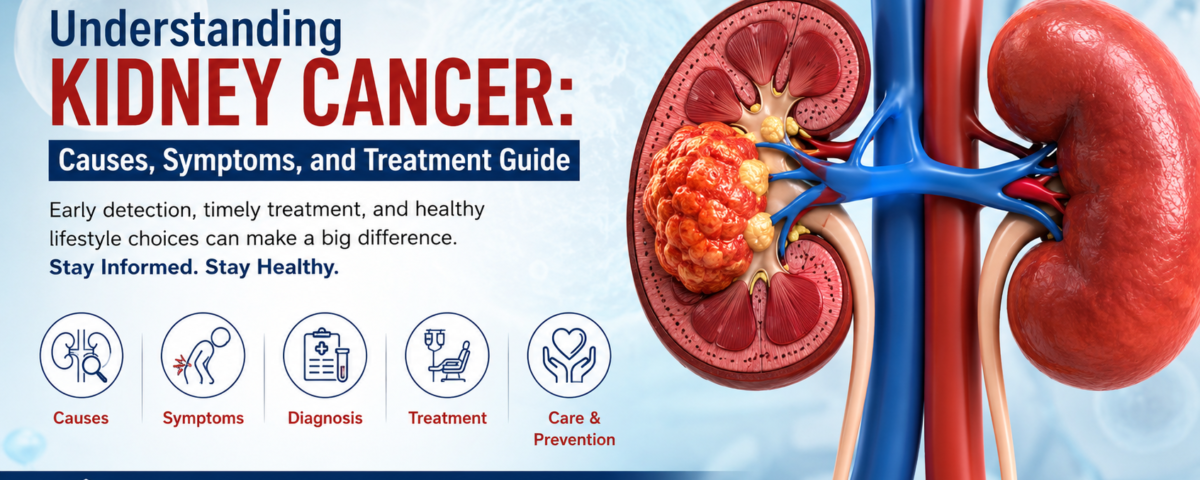
Kidney cancer is one of the most common types of cancer that affects the kidneys, the two bean-shaped organs responsible for filtering waste, balancing fluids, and producing hormones that help regulate blood pressure and red blood cell production. Although kidney cancer can develop silently in its early stages, timely diagnosis and appropriate treatment can significantly improve outcomes. If you are looking for kidney cancer treatment in faridabad, early consultation with experienced specialists and access to advanced diagnostic facilities can help ensure timely detection and personalized treatment for better health outcomes.
Understanding the causes, symptoms, risk factors, diagnosis, and treatment options is essential for early detection and better disease management. This guide explains everything you need to know about kidney cancer and highlights the importance of regular health check-ups.
What Is Kidney Cancer?
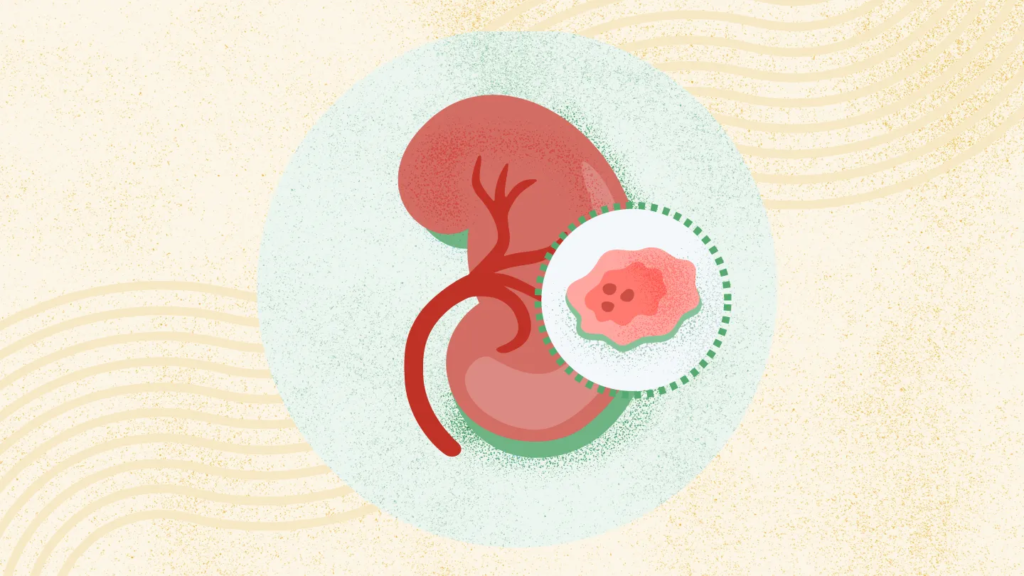
Kidney cancer occurs when abnormal cells in the kidney begin to grow uncontrollably, forming a tumor. The most common form is renal cell carcinoma (RCC), which accounts for nearly 90% of kidney cancer cases in adults. Other less common types include transitional cell carcinoma, Wilms tumor (primarily found in children), and renal sarcoma.
In many cases, kidney cancer is discovered accidentally during imaging tests performed for other medical conditions. Early-stage kidney cancer may not produce noticeable symptoms, making routine health screenings valuable for individuals at higher risk.
Causes of Kidney Cancer
The exact cause of kidney cancer is not always known. However, researchers have identified several factors that increase the likelihood of developing the disease.
Common causes and risk factors include:
- Smoking and tobacco use
- Obesity and excess body weight
- High blood pressure
- Family history of kidney cancer
- Inherited genetic conditions
- Long-term kidney disease
- Prolonged dialysis treatment
- Exposure to harmful chemicals in certain workplaces
- Increasing age, especially after 50 years
- Male gender, as men are generally at higher risk
While having one or more risk factors does not guarantee that someone will develop kidney cancer, maintaining a healthy lifestyle can help reduce the overall risk.
Common Symptoms of Kidney Cancer
Many people with early kidney cancer experience no symptoms. As the tumor grows, symptoms may become more noticeable.
Some of the most common kidney cancer symptoms include:
- Blood in the urine
- Persistent pain in the side or lower back
- A lump or swelling in the abdominal area
- Unexplained weight loss
- Fatigue or constant tiredness
- Loss of appetite
- Fever that is not related to an infection
- Anemia
- Swelling in the legs or ankles in advanced cases
These symptoms can also be associated with other health conditions. If they persist for more than a few days, it is important to consult a healthcare professional for proper evaluation.
Types of Kidney Cancer
Kidney cancer is classified into several types based on the cells where the cancer begins
Renal Cell Carcinoma (RCC)
This is the most common form of kidney cancer in adults. It develops in the lining of the kidney’s tiny filtering tubes.
Transitional Cell Carcinoma
This type begins in the renal pelvis, where urine collects before moving to the bladder.
Wilms Tumor
Wilms tumor mainly affects young children and is uncommon in adults.
Renal Sarcoma
This is a rare type of kidney cancer that starts in the connective tissues of the kidney.
Each type requires a different treatment approach depending on its stage and characteristics.
How Kidney Cancer Is Diagnosed
Early diagnosis plays a significant role in improving treatment outcomes. Doctors may recommend several tests to confirm the presence of kidney cancer.
Diagnostic methods include:
- Physical examination
- Medical history assessment
- Blood tests
- Urine analysis
- Ultrasound
- CT scan
- MRI scan
- Kidney biopsy when required
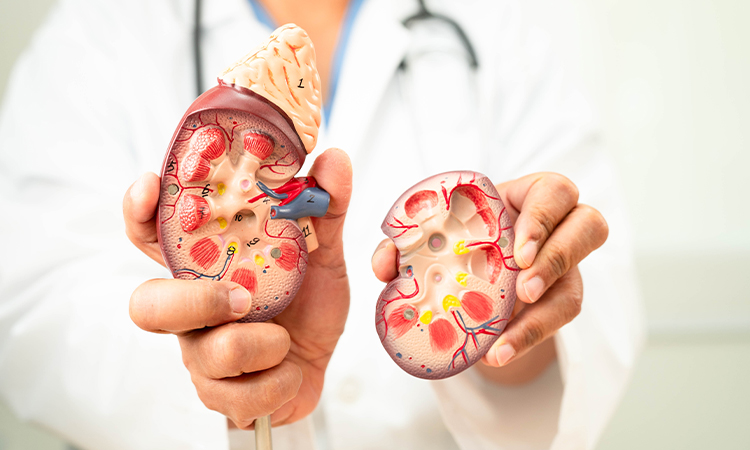
Imaging tests help determine the size, location, and spread of the tumor, allowing doctors to create an effective treatment plan.
Stages of Kidney Cancer
Kidney cancer is divided into different stages based on the size of the tumor and whether it has spread.
Stage 1
The tumor is small and limited to the kidney.
Stage 2
The tumor has grown larger but remains confined to the kidney.
Stage 3
Cancer has spread to nearby lymph nodes or blood vessels.
Stage 4
Cancer has spread to distant organs such as the lungs, bones, liver, or brain.
Knowing the stage helps doctors recommend the most suitable treatment.
Treatment Options for Kidney Cancer
Kidney cancer treatment depends on several factors, including the stage of cancer, overall health, age, and personal preferences.
Surgery
Surgery is the most common treatment for localized kidney cancer.
Types of surgery include:
- Partial nephrectomy, where only the tumor is removed
- Radical nephrectomy, where the entire kidney is removed
- Removal of nearby lymph nodes if necessary
Many patients can continue to live healthy lives with one functioning kidney.
Targeted Therapy
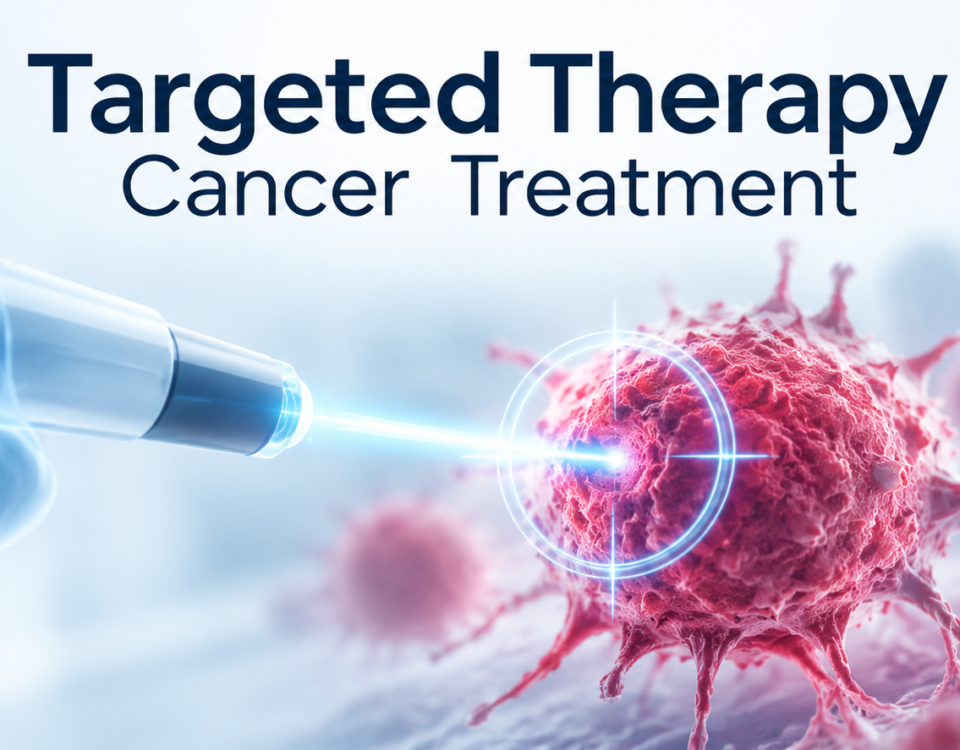
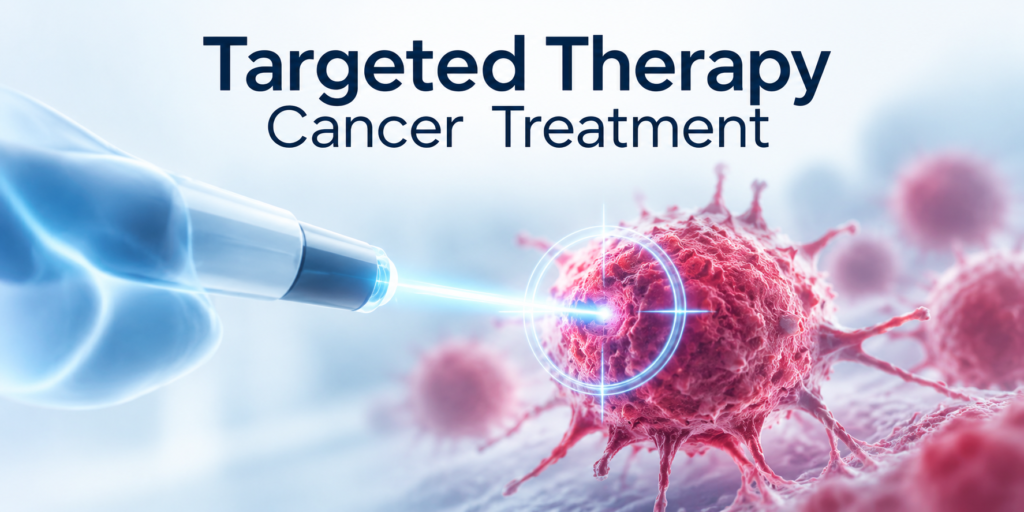
Targeted therapy uses medicines designed to attack specific cancer cells while causing less damage to healthy tissues. It is often recommended for advanced kidney cancer.
Immunotherapy
Immunotherapy helps strengthen the body’s immune system so it can identify and destroy cancer cells more effectively.
Radiation Therapy
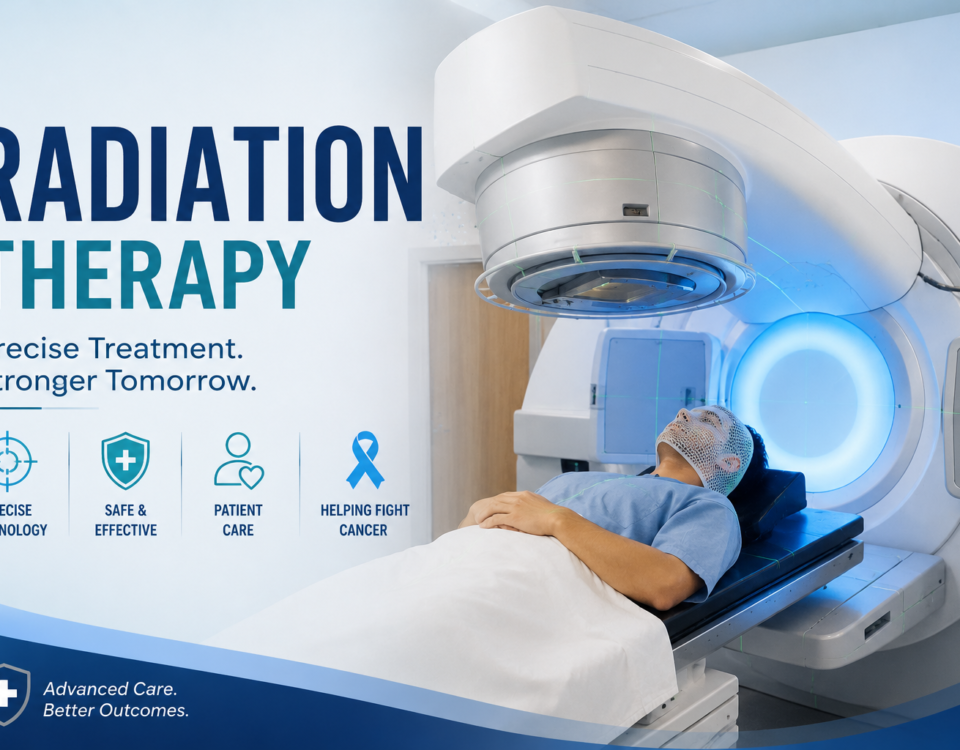
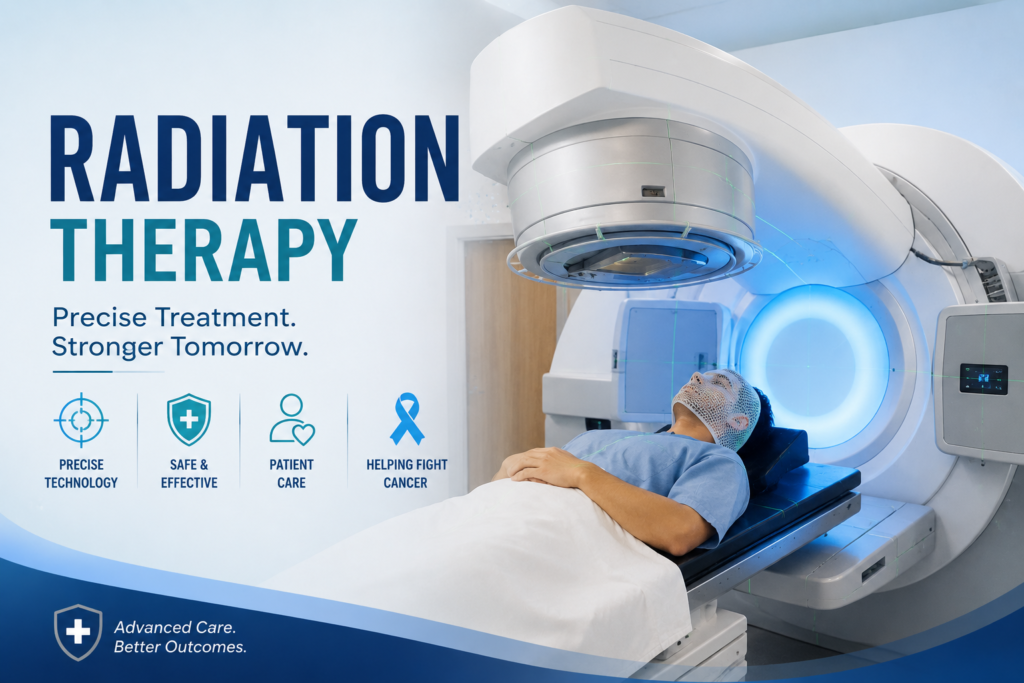
Radiation therapy is generally used to relieve symptoms when cancer has spread to other parts of the body. It is less commonly used as the primary treatment for kidney cancer.
Chemotherapy
Chemotherapy is not the first choice for most kidney cancers but may be considered in certain rare cases.
Lifestyle Tips During and After Treatment
Healthy lifestyle habits can improve recovery and overall well-being during treatment.
Helpful recommendations include:
- Eat a balanced diet rich in fruits and vegetables.
- Drink enough water unless otherwise advised by your doctor.
- Exercise regularly according to your health condition.
- Avoid smoking and tobacco products.
- Limit alcohol consumption.
- Maintain a healthy body weight.
- Follow all prescribed medications.
- Attend regular follow-up appointments.
- Get adequate sleep every night.
- Manage stress through relaxation techniques or counseling.
These habits support recovery and contribute to better long-term health.
Can Kidney Cancer Be Prevented?
Although kidney cancer cannot always be prevented, reducing certain risk factors may lower the chances of developing the disease.
Preventive measures include:
- Stop smoking completely.
- Keep blood pressure under control.
- Maintain a healthy weight.
- Stay physically active.
- Eat a nutritious diet.
- Avoid unnecessary exposure to harmful chemicals.
- Schedule routine health check-ups, especially if you have a family history of kidney disease or cancer.
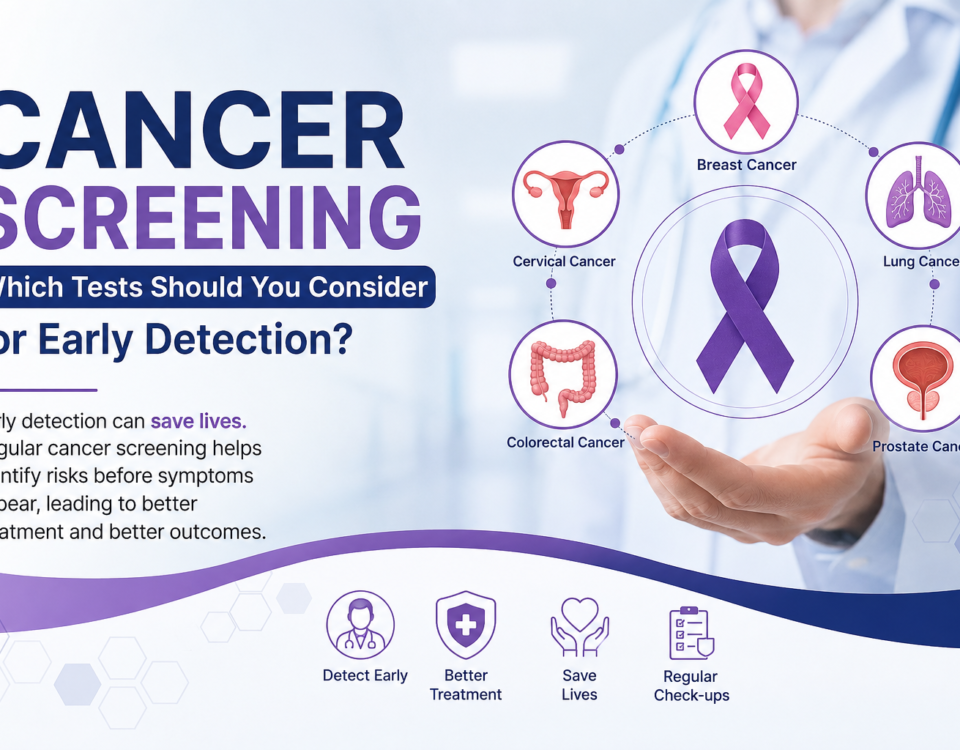
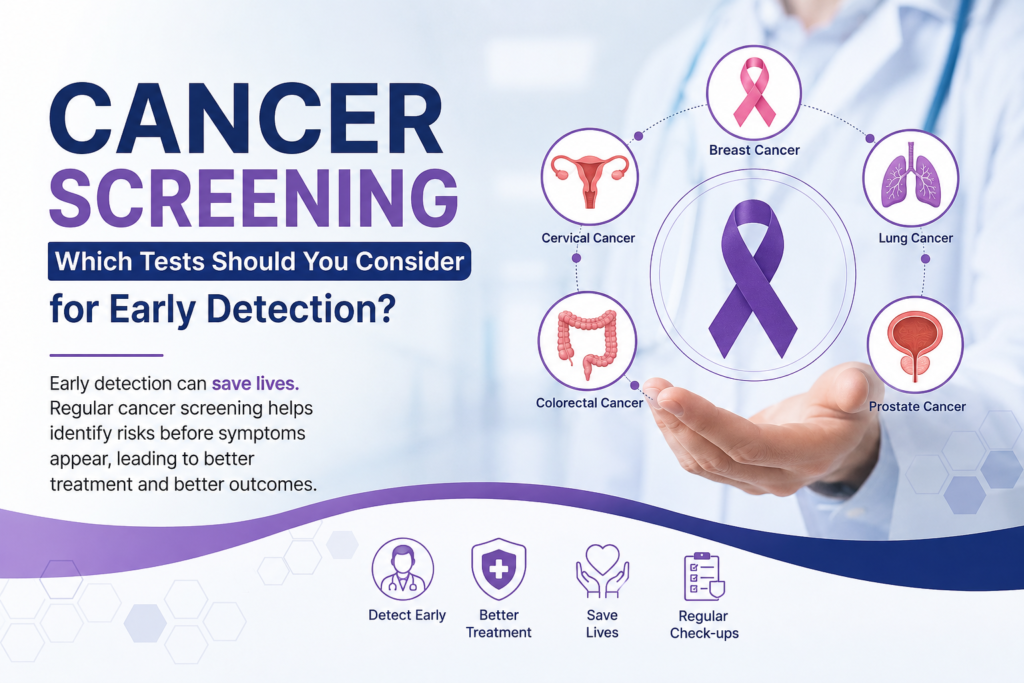
Early detection remains one of the most effective ways to improve survival rates.
Importance of Regular Health Screenings
Regular health examinations can help identify kidney abnormalities before symptoms appear. Individuals with high blood pressure, diabetes, obesity, chronic kidney disease, or a family history of kidney cancer should discuss screening options with their healthcare provider.
Routine blood tests, urine tests, and imaging studies may detect kidney problems at an early stage, allowing for timely treatment and improved outcomes.
Conclusion
Kidney cancer is a serious condition, but advances in medical diagnosis and treatment have significantly improved patient outcomes over the years. Understanding the causes, recognizing early symptoms, and seeking medical attention without delay are key steps toward successful treatment.
Maintaining a healthy lifestyle, avoiding known risk factors, and attending regular health screenings can help protect kidney health and support early detection. If you notice persistent symptoms such as blood in the urine, ongoing back pain, or unexplained weight loss, consult a qualified healthcare professional promptly. Early diagnosis and personalized treatment offer the best opportunity for successful recovery and a better quality of life. Choosing a trusted cancer treatment hospital in faridabad with experienced oncologists and advanced medical facilities can ensure comprehensive care, accurate diagnosis, and effective treatment tailored to each patient’s needs.