Blood Cancer Types, Symptoms, Diagnosis and Treatment Guide

Kidney Cancer: Symptoms, Causes, Risk Factors & Treatment
September 10, 2026
How to Choose the Best Oncologist in Faridabad for Cancer Care
September 16, 2026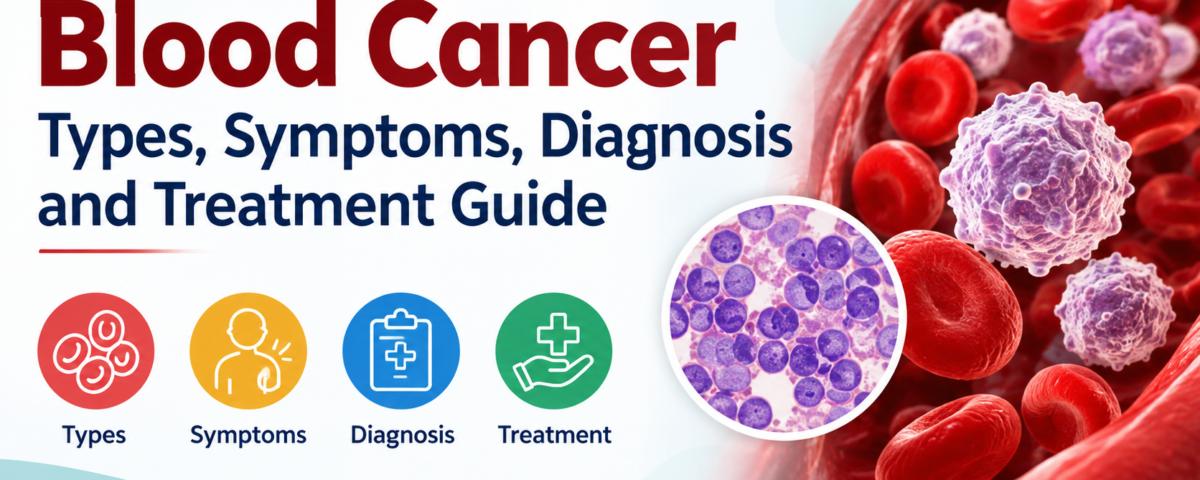
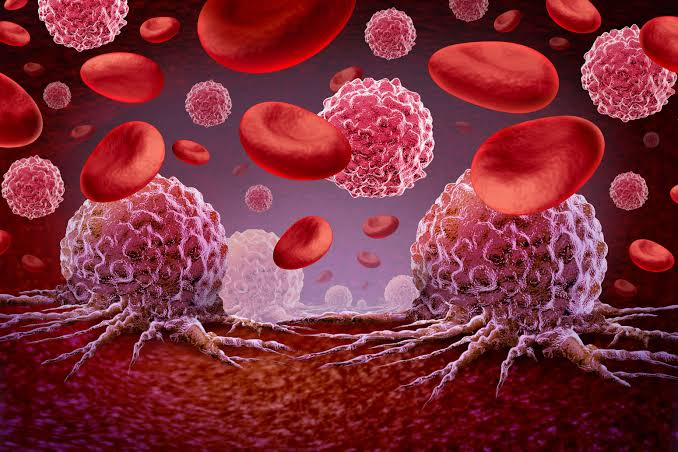
Blood cancer is a group of cancers that affect the blood cells, bone marrow, lymphatic system, and tissues responsible for producing healthy blood cells. These conditions can interfere with the body’s ability to fight infections, carry oxygen, and control bleeding. The major types include leukemia, lymphoma, and multiple myeloma, and each type can have different symptoms, progression patterns, and treatment requirements. For people looking for a blood cancer specialist in Faridabad, timely medical consultation can help identify unusual symptoms and support early diagnosis and appropriate care.
Common warning signs may include persistent fatigue, frequent infections, unexplained fever, easy bruising, unusual bleeding, swollen lymph nodes, night sweats, bone pain, and unexplained weight loss. However, these symptoms can also occur due to several other health conditions. Proper testing is therefore important for an accurate diagnosis. Dr. Navok Gupta can help patients understand their condition, diagnostic results, and available treatment approaches based on their individual medical needs.
What Is Blood Cancer?
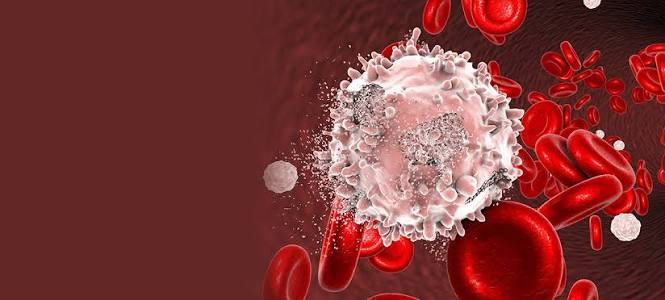
Blood cancer develops when abnormal blood-forming cells grow uncontrollably and interfere with the normal production and function of healthy blood cells. Depending on the type, it may begin in the bone marrow, lymph nodes, or other parts of the immune system.
There are several major types, and each can behave differently. Some progress quickly and require immediate treatment, while others may develop more slowly and can sometimes be monitored before treatment begins. Understanding the specific diagnosis is therefore essential.
Main Types of Blood Cancer
The major types include leukemia, lymphoma, and myeloma.
1. Leukemia
Leukemia affects blood-forming tissues and causes the production of abnormal white blood cells. These cells can crowd out healthy blood cells in the bone marrow. Leukemia may be acute, developing quickly, or chronic, progressing more gradually.
Common leukemia symptoms may include persistent fatigue, frequent infections, unexplained fever, easy bruising, unusual bleeding, pale skin, night sweats, and unexplained weight loss. The exact symptoms can vary according to the type and stage of the disease.
2. Lymphoma
Lymphoma generally begins in the lymphatic system, which plays an important role in the body’s immune defense. The two broad categories are Hodgkin lymphoma and non-Hodgkin lymphoma.
Possible signs include painless swelling of lymph nodes, persistent fever, night sweats, tiredness, itching, and unexplained weight loss. Some people may also experience repeated infections or discomfort in areas where enlarged lymph nodes develop.
3. Multiple Myeloma
Multiple myeloma affects plasma cells, a type of white blood cell that helps produce antibodies. Abnormal plasma cells can accumulate in the bone marrow and affect healthy blood-cell production.
Symptoms may include bone pain, weakness, frequent infections, anemia, kidney problems, and high calcium levels. However, some people may have few symptoms in the early stages.
Common Symptoms to Watch For
Symptoms can differ considerably between patients, but certain warning signs should not be ignored. These may include:
- Persistent tiredness or weakness
- Frequent or unusual infections
- Unexplained fever
- Easy bruising or bleeding
- Pale skin caused by anemia
- Swollen lymph nodes
- Unexplained weight loss
- Night sweats
- Bone or joint pain
- Shortness of breath
Having one or more of these symptoms does not necessarily mean a person has cancer. Many other medical conditions can cause similar problems. However, persistent or unexplained symptoms should be discussed with a qualified healthcare professional.
How Is Blood Cancer Diagnosed?
Doctors usually use several investigations to identify the type and extent of the disease. The process may begin with a medical history and physical examination, followed by blood tests such as a complete blood count.
Depending on the suspected condition, doctors may recommend bone marrow testing, imaging studies, lymph node biopsy, flow cytometry, genetic testing, or other specialized examinations. These tests help determine the specific cancer type and provide information needed to plan treatment.
Accurate diagnosis is important because treatment varies according to the cancer type, stage, genetic characteristics, overall health, and individual patient factors.
Blood Cancer Treatment Options
Treatment depends on the specific diagnosis and may involve one or a combination of approaches. Common options include chemotherapy, targeted medicines, immunotherapy, radiation therapy, stem cell or bone marrow transplantation, and supportive care.
Chemotherapy treatment options may be recommended to destroy rapidly dividing cancer cells. The drugs, combinations, dosage, and treatment schedule depend on the specific cancer and the patient’s medical condition. Some patients receive chemotherapy alone, while others may receive it together with other treatments.
Targeted Therapy and Immunotherapy
Targeted medicines are designed to act on particular features of cancer cells. They may be useful when testing identifies specific molecular or genetic characteristics that can be targeted.
Immunotherapy works by helping the immune system recognize or attack abnormal cells. It has become an important treatment approach for several types of cancer, although its suitability depends on the individual diagnosis.
Stem Cell Transplantation
For selected patients, stem cell transplantation may be considered. It can involve high-dose treatment followed by the infusion of healthy blood-forming stem cells. This approach is commonly considered for certain aggressive or relapsed diseases and requires careful evaluation.
Managing Treatment and Recovery
Cancer treatment can affect energy levels, appetite, immunity, and emotional well-being. Patients may need regular blood tests and follow-up appointments during treatment. Doctors may also provide supportive medicines to manage side effects and reduce complications.
A balanced diet, appropriate physical activity, adequate rest, infection prevention, and emotional support can be valuable during recovery. Patients should always follow their medical team’s advice rather than starting supplements or alternative treatments without professional guidance.
Chemotherapy treatment options and other therapies should be selected according to the patient’s diagnosis rather than based on general recommendations. Regular monitoring helps doctors assess treatment response and make adjustments when necessary.
Importance of Early Medical Attention
Early evaluation of unusual symptoms can help doctors identify potential problems sooner. Not every symptom indicates cancer, but persistent changes in health deserve appropriate medical attention.
People with a confirmed diagnosis should discuss their treatment plan, expected benefits, possible side effects, and follow-up requirements with their oncology team. Getting clear information can help patients and families make informed decisions throughout treatment.
Conclusion
Blood cancer includes several different diseases, including leukemia, lymphoma, and multiple myeloma. Although these conditions can be serious, advances in diagnosis and treatment have provided many patients with effective treatment options. Recognizing warning signs, obtaining an accurate diagnosis, and beginning appropriate care can be important steps toward better outcomes. For personalized evaluation and guidance, Dr. Navok Gupta, a best oncologist in Faridabad, can help patients understand their diagnosis and discuss suitable cancer treatment approaches.