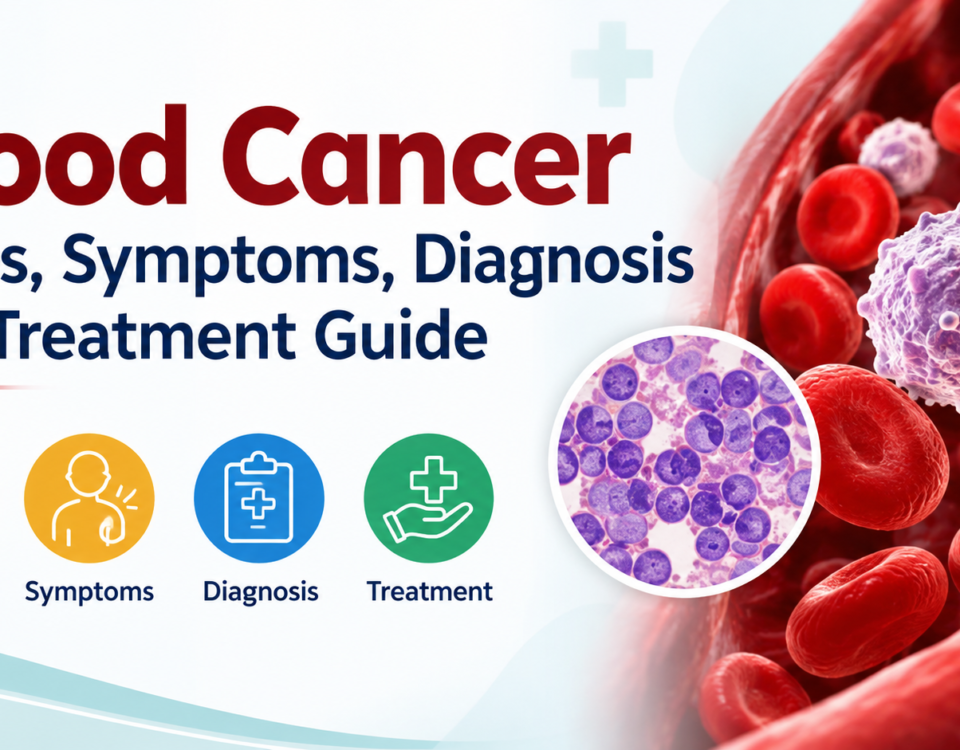
Kidney Cancer: Symptoms, Causes, Risk Factors & Treatment

Cancer Screening: Which Tests Should You Consider for Early Detection?
August 11, 2026
Blood Cancer Types, Symptoms, Diagnosis and Treatment Guide
September 11, 2026
Kidney health plays an important role in keeping the body balanced because the kidneys filter waste, regulate fluids, and support healthy blood pressure. Understanding kidney cancer can help people recognize possible warning signs and seek medical advice at the right time. Dr. Novak Gupta emphasizes the importance of awareness and timely medical evaluation when people notice changes in their health. If unusual symptoms persist, consulting a qualified kidney cancer specialist in Faridabad can help with proper evaluation, diagnosis, and timely medical guidance.
What Is Kidney Cancer?
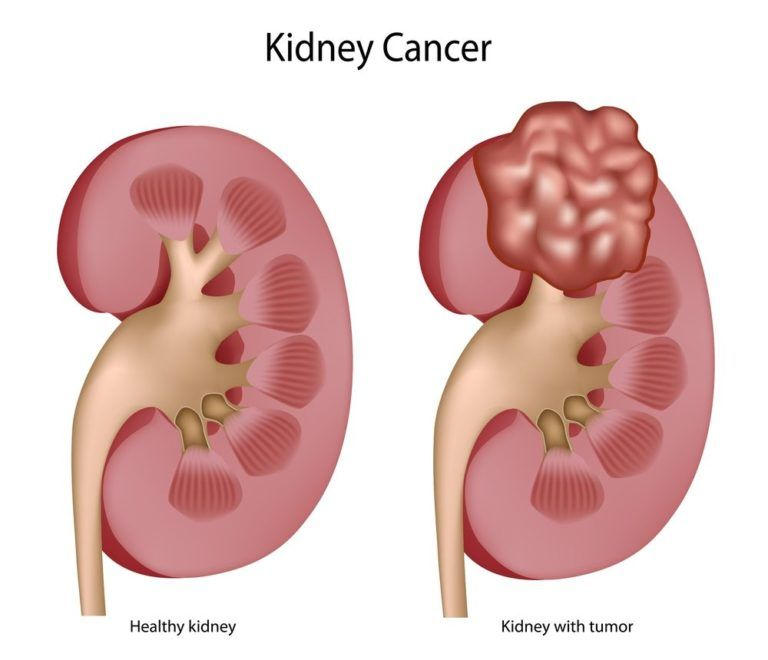
Kidney Cancer develops when abnormal cells in the kidney begin to grow uncontrollably. The kidneys are two bean-shaped organs located on either side of the spine, near the lower back. They remove waste products from the blood and produce urine.
The most common type in adults is renal cell carcinoma. Other, less common types can affect the kidneys as well. In some cases, the disease may not cause noticeable symptoms during its early stages and may be discovered during imaging tests performed for another health concern.
Early evaluation is important because treatment options can depend on the type, size, location, and stage of the disease.
Symptoms to Watch For
Early kidney cancer may not always produce clear symptoms. As the condition progresses, some people may experience changes that should be discussed with a healthcare professional.
Possible symptoms include:
- Blood in the urine, which may make urine appear pink, red, or brown
- Persistent pain in the side or lower back
- A lump or swelling in the abdomen or side
- Unexplained weight loss
- Loss of appetite
- Ongoing tiredness or weakness
- Fever that does not have an obvious cause
- Night sweats
- Anemia in some cases
The presence of these symptoms does not necessarily mean that a person has cancer. Similar signs can occur with infections, kidney stones, and other conditions. However, persistent or unusual symptoms deserve medical evaluation.
Understanding Renal Tumor Symptoms
Some renal tumor symptoms can overlap with other urinary or kidney problems. Blood in the urine, unexplained flank discomfort, fatigue, and changes in general health may require further investigation.
Doctors may recommend urine tests, blood tests, ultrasound, CT scans, MRI scans, or other investigations depending on the symptoms and individual circumstances.
Causes of Kidney Cancer
The exact cause of kidney cancer is not always known. It generally develops because genetic changes cause kidney cells to grow and divide abnormally. Over time, these abnormal cells can form a tumor.
Researchers have identified several factors that may increase the likelihood of developing the condition. However, having one or more risk factors does not mean that a person will definitely develop cancer.
Risk Factors
Several factors may increase the risk of developing kidney cancer. These include:
Smoking
Tobacco use is associated with a higher risk of several cancers, including kidney cancer. Quitting smoking can provide important health benefits and may reduce cancer-related risks.
High Blood Pressure
Long-term high blood pressure has been associated with an increased risk of kidney cancer. Managing blood pressure through appropriate medical care, physical activity, diet, and lifestyle changes can support overall health.
Obesity
Being overweight or obese may increase the risk of developing kidney cancer. Maintaining a healthy weight through balanced nutrition and regular activity may help reduce several chronic health risks.
Family History
People with a close family member who has had kidney cancer may have a higher risk. Certain inherited conditions can also increase susceptibility, although these conditions are relatively uncommon.
Long-Term Kidney Problems
Some people with chronic kidney disease or those who have received long-term dialysis may have an increased risk. Regular medical follow-up is important for people with ongoing kidney problems.
How Is It Diagnosed?
Diagnosis usually begins with a medical history and physical examination. The doctor may ask about urinary changes, pain, weight changes, family history, smoking, and other health factors.
Blood and urine tests can provide useful information about kidney function and general health. Imaging tests such as ultrasound, CT scans, or MRI may help identify a mass and determine its size and location.
In selected cases, a biopsy may be recommended to examine tissue under a microscope. The exact diagnostic approach depends on the individual situation.
Kidney Tumor Treatment Options
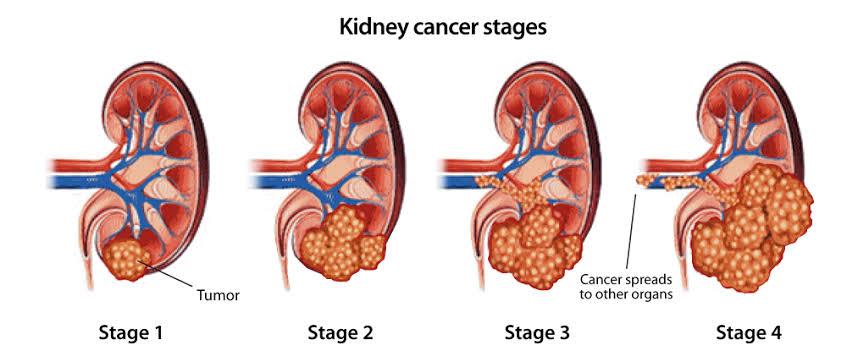
The appropriate kidney tumor treatment depends on factors such as the tumor’s size, location, stage, overall health, and whether it has spread to other parts of the body.
Surgery
Surgery is an important treatment option for many localized kidney tumors. Depending on the situation, doctors may remove only the affected portion of the kidney, known as partial nephrectomy, or remove the entire kidney, known as radical nephrectomy.
Active Surveillance
For some small kidney tumors, particularly in selected patients, doctors may recommend active surveillance. This involves regular imaging and medical monitoring rather than immediate treatment.
Ablation
Ablation techniques can destroy tumor tissue using methods such as extreme heat or cold. These approaches may be considered for certain patients who are not suitable candidates for surgery or in specific clinical circumstances.
Advanced Disease
When cancer has spread beyond the kidney, treatment may include medicines such as immunotherapy or targeted therapy. Treatment plans are individualized and may involve more than one approach.
Importance of Early Medical Attention
Recognizing possible Renal Tumor Symptoms does not mean assuming the worst. Instead, it provides an opportunity to speak with a healthcare professional and determine whether further testing is appropriate.
People should not ignore persistent blood in the urine, unexplained weight loss, ongoing side pain, or other unusual symptoms. Early assessment can help doctors identify the underlying cause and determine the most suitable next steps.
For advanced or complex cases, kidney tumor treatment may involve a multidisciplinary medical team. Specialists can review test results and consider factors such as the stage of disease, overall health, and treatment goals before recommending a plan.
Conclusion
Kidney cancer can affect people differently, and its symptoms may be subtle in the beginning. Knowing the possible causes, risk factors, warning signs, and available treatment approaches can encourage timely medical consultation. Maintaining healthy lifestyle habits, managing conditions such as high blood pressure, avoiding tobacco, and attending recommended medical checkups can support overall health. For proper evaluation and personalized guidance, consulting a best oncologist in Faridabad can help patients understand their diagnosis and available treatment options. Dr. Novak Gupta also emphasizes the importance of awareness and timely medical care so patients can take informed steps toward better health.