Chemotherapy, Radiation and Immunotherapy: A Complete Guide

Blood Cancer Awareness: Symptoms, Diagnosis and Care
October 8, 2026
First Oncology Consultation: What Every Patient Should Know
October 14, 2026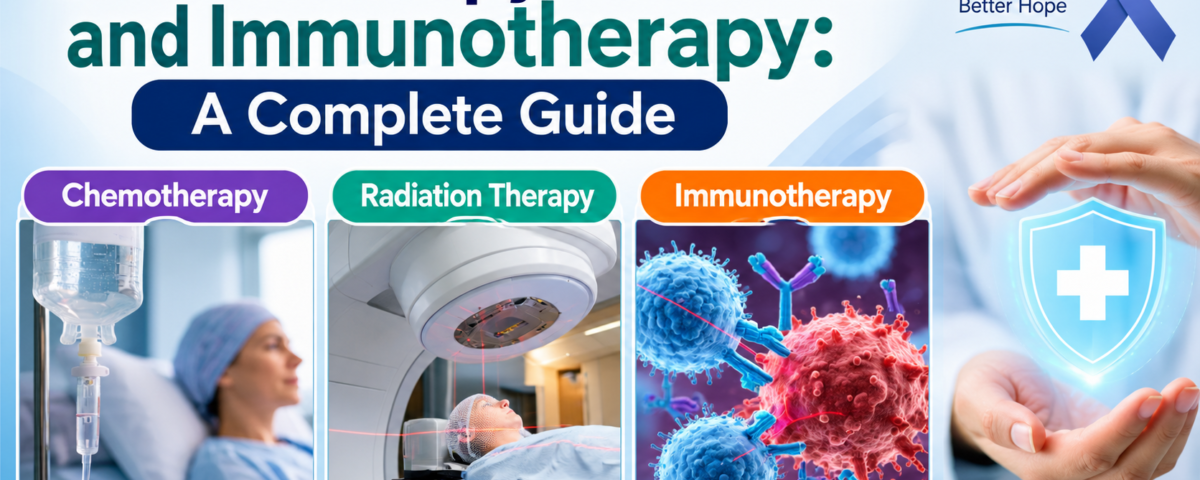
Cancer treatment has advanced significantly over the years, offering patients several options depending on their diagnosis, cancer stage, overall health, and treatment goals. Understanding chemotherapy, radiation and immunotherapy is important for patients and families who want to make informed decisions about cancer care. Each approach works differently to destroy cancer cells, control tumour growth, or strengthen the body’s ability to fight the disease. Dr. Novak Gupta, a best oncologist in Faridabad, emphasises the importance of accurate diagnosis and personalised treatment planning to help patients understand their available options and receive appropriate medical care.
Although these treatments share the common goal of managing cancer, their methods, applications, and potential side effects differ considerably. Some treatments target cancer cells throughout the body, while others focus on a specific affected area. Doctors may recommend one approach or combine multiple therapies depending on the patient’s condition. Learning about these treatment methods can help individuals communicate effectively with their oncologist, understand medical recommendations, and prepare for different stages of their treatment journey.
Read More: Life After Cancer Treatment: Follow-Up Care and Recovery
What Are Chemotherapy, Radiation and Immunotherapy?
Cancer treatments are designed to eliminate abnormal cells, reduce tumour size, prevent cancer progression, or manage symptoms. The three approaches discussed here use different mechanisms to achieve these objectives.
Chemotherapy involves medications that destroy rapidly dividing cells or prevent their multiplication. Radiation therapy uses high-energy radiation to damage cancer cells within a targeted area. Immunotherapy works by helping the immune system recognise and attack cancer cells more effectively.
These treatments may be recommended individually or together, depending on the cancer type and medical requirements.
Understanding Chemotherapy and How It Works
Chemotherapy is a systemic cancer treatment that uses powerful medications to destroy cancer cells or interfere with their growth. Because chemotherapy drugs can travel through the bloodstream, they may reach cancer cells in different parts of the body.
When Is Chemotherapy Recommended?
Doctors may recommend chemotherapy for several purposes:
- Destroying cancer cells before surgery to reduce tumour size.
- Eliminating remaining cancer cells after surgery.
- Treating cancers that have spread to other organs.
- Controlling cancer progression and relieving symptoms.
- Improving treatment effectiveness when combined with other therapies.
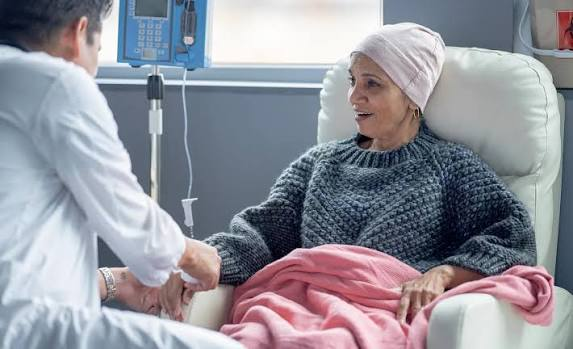
Chemotherapy can be administered through intravenous injections, oral medications, or other methods depending on the prescribed treatment plan.
Possible Side Effects
Common side effects include fatigue, nausea, temporary hair loss, reduced appetite, and increased infection risk. However, these effects vary depending on the medication, dosage, and individual health condition.
Not every patient experiences the same symptoms, and supportive medications can help manage several treatment-related complications.
Understanding Radiation Therapy and Its Benefits
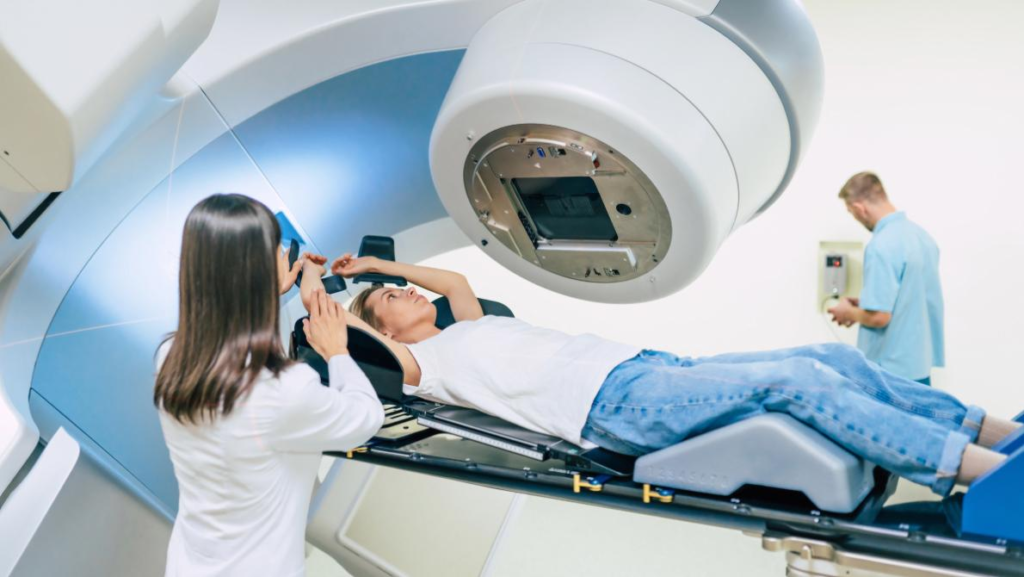
Radiation therapy uses high-energy radiation to damage the DNA of cancer cells, preventing them from multiplying. Unlike most chemotherapy treatments, radiation therapy generally focuses on a specific body region.
It is commonly used to treat localised cancers, reduce tumour size, relieve cancer-related pain, or eliminate remaining cancer cells after surgery.
Different Types of Radiation Therapy
The main approaches include:
External Beam Radiation: Radiation is delivered from a machine outside the body and directed towards the affected area.
Internal Radiation (Brachytherapy): Radioactive material is placed inside or close to the tumour to deliver targeted treatment.
The selection depends on tumour location, cancer stage, surrounding organs, and treatment objectives.
Possible side effects include fatigue, skin irritation, and temporary changes in the treated area. Some effects depend specifically on which part of the body receives radiation.
Understanding Immunotherapy and Its Role in Cancer Care
Immunotherapy is an advanced treatment approach that helps the body’s immune system identify and attack cancer cells.
Cancer cells sometimes develop mechanisms that allow them to escape immune detection. Certain immunotherapy medications interfere with these mechanisms, enabling immune cells to recognise cancer more effectively.
Common Types of Immunotherapy
Different immunotherapy approaches include:
- Immune Checkpoint Inhibitors: Help immune cells recognise and attack certain cancer cells.
- CAR T-Cell Therapy: Uses specially modified immune cells to target specific cancers.
- Monoclonal Antibodies: Certain antibodies help the immune system identify cancer-related targets.
- Cancer Treatment Vaccines: Stimulate immune responses against specific cancer-associated substances.
Immunotherapy is not suitable for every patient or cancer type. Its effectiveness depends on several factors, including tumour characteristics and specific biological markers.
Potential side effects include fatigue, skin reactions, diarrhoea, and inflammation affecting healthy organs. Some immune-related reactions require prompt medical attention.
Chemotherapy, Radiation and Immunotherapy: Key Differences
Understanding the difference between cancer treatments helps patients recognise why oncologists recommend particular therapies.
Although all three approaches aim to control cancer, their working mechanisms, treatment duration, and effects on the body vary.
| Factor | Chemotherapy | Radiation Therapy | Immunotherapy |
| Treatment Method | Uses anticancer drugs | Uses high-energy radiation | Activates or modifies immune responses |
| Main Target | Rapidly dividing cells | Specific treatment area | Cancer-related immune targets |
| Treatment Reach | Usually systemic | Usually localised | Often systemic |
| Administration | Oral or injectable drugs | External or internal radiation | Infusions, injections, or other methods |
| Common Side Effects | Nausea, fatigue, hair loss | Skin irritation, fatigue | Immune-related inflammation |
| Primary Objective | Destroy or control cancer cells | Damage targeted cancer cells | Improve immune recognition of cancer |
Treatment outcomes depend on cancer characteristics, patient health, and individual response rather than one method being universally superior.
Types of Cancer Treatment: How Doctors Choose the Right Option
Selecting appropriate types of cancer treatment requires careful evaluation of several medical factors.
Oncologists generally consider:
- Cancer Type: Different cancers respond differently to specific therapies.
- Cancer Stage: Localised and advanced cancers may require different treatment strategies.
- Tumour Location: The affected organ influences treatment selection.
- Patient Health: Existing medical conditions and overall fitness affect treatment suitability.
- Treatment Goals: Doctors consider whether treatment aims to cure cancer, control progression, or relieve symptoms.
Diagnostic imaging, biopsy findings, laboratory investigations, and molecular testing may also help determine the most suitable approach.
Can Chemotherapy, Radiation and Immunotherapy Be Used Together?
Yes, oncologists sometimes recommend combination treatment to improve cancer management.
For example, chemotherapy may be administered before surgery to shrink a tumour, while radiation therapy may help eliminate remaining cancer cells in a specific area. Immunotherapy may also be combined with chemotherapy or other approaches for selected cancers when supported by clinical evidence.
However, combining treatments does not automatically produce better outcomes for every patient. Doctors must carefully assess potential benefits, side effects, treatment timing, and individual medical requirements.
Understanding Treatment Outcomes and Patient Care
The difference between cancer treatments extends beyond their working mechanisms. Recovery expectations, monitoring requirements, and follow-up schedules may also vary.
Patients receiving cancer therapy should maintain regular communication with their healthcare team, report unusual symptoms, follow prescribed medications, and attend scheduled medical appointments.
Supportive care, balanced nutrition, adequate rest, and emotional support can contribute to overall well-being throughout treatment.
Conclusion
Understanding chemotherapy, radiation and immunotherapy helps patients become more informed about modern cancer care. Each approach offers distinct benefits, limitations, and clinical applications. The most suitable treatment depends on an accurate diagnosis, individual health conditions, and professional medical evaluation.
For patients seeking personalised guidance and cancer care, Dr. Novak Gupta, recognised as a Best Oncologist in Faridabad, provides expert consultation, comprehensive evaluation, and individualised treatment planning based on each patient’s medical needs.