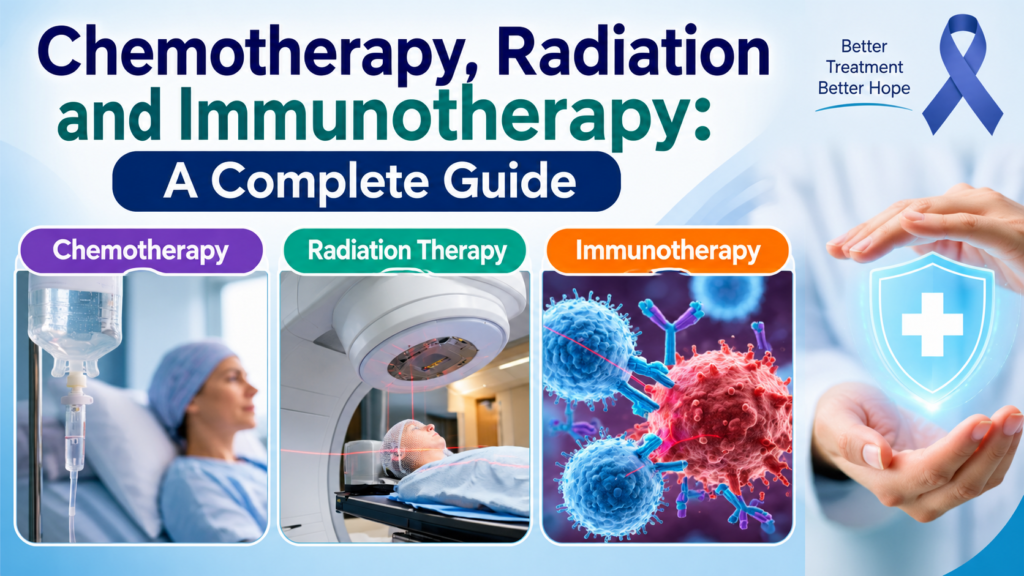
Blood Cancer Awareness: Symptoms, Diagnosis and Care

Cervical Cancer Prevention, Screening, Treatment and Care
October 7, 2026
Chemotherapy, Radiation and Immunotherapy: A Complete Guide
October 13, 2026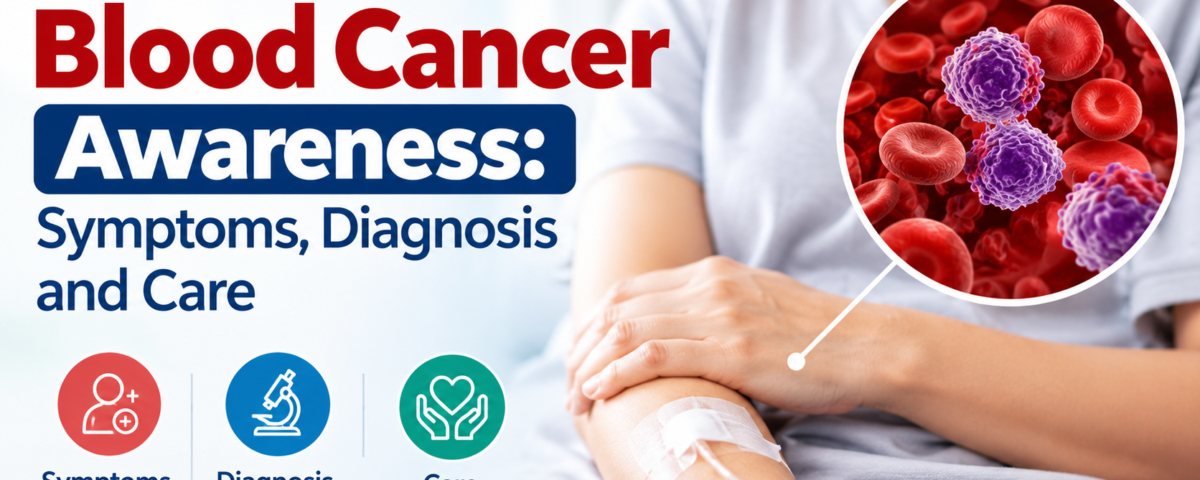
Dr. Novak Gupta emphasizes that awareness and timely medical evaluation can play an important role in managing serious blood-related disorders. Blood cancer is a broad term used for cancers that develop in blood-forming tissues, bone marrow, or the lymphatic system. These diseases can affect the production and function of blood cells, including white blood cells, red blood cells, and platelets. Unlike many solid tumors, these conditions may not always form a single visible mass. Instead, abnormal cells can circulate through the bloodstream or affect the bone marrow and lymphatic tissues. For individuals experiencing persistent or unexplained symptoms, consulting a blood cancer specialist in Faridabad can help with timely evaluation, appropriate testing, and guidance based on the underlying condition. Understanding the different forms, warning signs, risk factors, and available treatment approaches can help people recognize changes that deserve medical attention and seek professional advice without unnecessary delay.
Early awareness is particularly important because symptoms may initially appear similar to those of common infections or other health conditions. Persistent tiredness, unexplained fever, frequent infections, easy bruising, night sweats, or unexpected weight loss should be evaluated when they continue or occur together. A healthcare professional may recommend blood tests, imaging studies, or specialized investigations based on the individual’s symptoms and medical history. Treatment varies according to the specific disease, its characteristics, overall health, and response to therapy. With appropriate diagnosis and personalized care, many patients can receive effective treatment and ongoing support.
Read More:Blood Cancer Types, Symptoms, Diagnosis and Treatment Guide
What Is Blood Cancer?
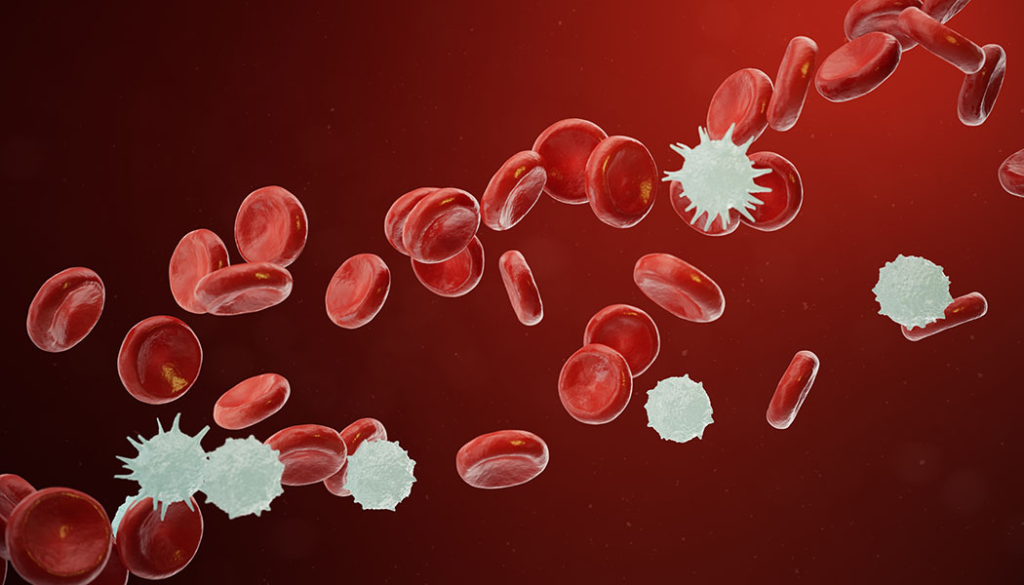
Blood cancer refers to a group of diseases that affect the production or behavior of blood cells and related tissues. The three major categories are leukemia, lymphoma, and myeloma. Although these conditions are grouped under one broad term, they differ in the type of cells involved, how they develop, and how they are treated.
Leukemia generally begins in the bone marrow, where abnormal blood-forming cells multiply and interfere with normal blood cell production. Lymphoma usually affects the lymphatic system and involves abnormal lymphocytes, a type of white blood cell. Myeloma develops in plasma cells, which are immune cells responsible for producing antibodies.
Some forms develop quickly and require prompt treatment, while others progress more slowly and may initially be monitored under medical supervision. Understanding the specific diagnosis is therefore essential before discussing treatment or prognosis.
Major Types and Their Characteristics
Leukemia
Leukemia affects blood-forming tissues and can lead to the production of abnormal white blood cells. It is commonly classified according to how quickly it develops and the type of blood cell involved. Acute forms generally progress rapidly, while chronic forms may develop more gradually.
Lymphoma
Lymphoma begins in lymphocytes and can affect lymph nodes, the spleen, bone marrow, or other parts of the immune system. Hodgkin lymphoma and non-Hodgkin lymphoma are the two broad categories. Their behavior and treatment can vary considerably.
Myeloma
Myeloma develops in plasma cells within the bone marrow. Abnormal plasma cells can interfere with normal blood cell production and may affect bones, kidneys, or the immune system. Doctors use laboratory tests and other investigations to determine the extent of the disease.
Common Warning Signs
The symptoms associated with these diseases can vary depending on the type and stage. Some people may experience only mild changes initially, while others develop several symptoms over a short period.
Common cancer symptoms may include persistent fatigue, recurrent fever, frequent infections, unexplained weight loss, night sweats, swollen lymph nodes, easy bruising, or unusual bleeding. Bone or joint discomfort may also occur in some conditions.
These signs are not specific to cancer and can be caused by infections, nutritional deficiencies, autoimmune disorders, or other medical problems. However, symptoms that persist, become more severe, or occur together should be discussed with a healthcare professional.
Risk Factors and Possible Causes
The exact cause of many blood-related cancers is not always known. Certain factors may increase the likelihood of developing them, although having a risk factor does not mean that someone will definitely develop the disease.
Possible risk factors include increasing age, certain inherited genetic conditions, previous chemotherapy or radiation exposure, particular chemical exposures, immune system disorders, and some viral infections. A family history may also be relevant for selected conditions.
It is important to remember that many patients develop these diseases without having an identifiable risk factor. Therefore, persistent symptoms should not be dismissed simply because a person has no known risk factors.
How Is the Condition Diagnosed?
Doctors begin with a detailed medical history and physical examination. They may ask about fatigue, infections, unexplained bleeding, weight changes, fever, night sweats, and enlarged lymph nodes.
A cancer diagnosis may involve a complete blood count to examine the number and characteristics of different blood cells. Depending on the findings, additional tests may be required.
These can include:
- Peripheral blood smear
- Bone marrow examination
- Lymph node biopsy
- Imaging studies
- Flow cytometry
- Cytogenetic or molecular testing
- Additional laboratory investigations
The exact combination of tests depends on the suspected condition. A biopsy or bone marrow test may provide important information about abnormal cells and help doctors determine the specific disease.
Understanding Staging and Disease Characteristics
Once a condition has been identified, doctors evaluate its extent and biological characteristics. Staging is particularly important for many lymphomas and other diseases because it helps determine how extensively the condition has spread.
For some types, doctors may also assess genetic or molecular changes within abnormal cells. These findings can provide information about disease behavior and help identify treatments that may work more effectively.
Patients should discuss their individual results with their treating specialist rather than comparing their diagnosis with someone else’s. Two people with the same broad disease category may have very different treatment plans because of differences in age, overall health, disease characteristics, and response to therapy.
Treatment Options
Treatment depends on the specific disease and individual circumstances. Common approaches include chemotherapy, targeted therapy, immunotherapy, radiation therapy, and stem cell transplantation. Some patients may receive a combination of treatments.
Chemotherapy
Chemotherapy uses medicines designed to destroy or control abnormal cells. It may be administered orally or through a vein, depending on the medication and treatment plan.
Targeted Therapy
Targeted medicines focus on particular features of abnormal cells. They may be recommended when testing identifies specific molecular characteristics that can be treated with an appropriate drug.
Immunotherapy
Immunotherapy works by helping the immune system recognize or attack abnormal cells. Several immunotherapy approaches are available for selected diseases.
Radiation Therapy
Radiation uses high-energy beams to damage abnormal cells. It may be used for certain lymphomas or specific areas affected by disease.
Stem Cell Transplantation
For selected patients, a stem cell transplant may be considered. The procedure can allow healthy blood-forming cells to restore bone marrow function following intensive treatment.
Supportive Care During Treatment
Managing the disease involves more than treating abnormal cells. Supportive care can help patients cope with treatment-related effects and maintain their quality of life.
Doctors may monitor blood counts, nutritional status, infections, pain, and other complications throughout treatment. Patients may also benefit from adequate rest, appropriate physical activity, balanced nutrition, emotional support, and regular follow-up.
Family members and caregivers can provide valuable practical and emotional assistance. Patients should communicate openly with their healthcare team about new symptoms or treatment side effects rather than stopping medicines without professional advice.
When Should You Consult a Specialist?
Persistent or unexplained symptoms should receive appropriate medical attention. A person should consider consulting a healthcare professional when unusual fatigue, recurring infections, unexplained fever, frequent bruising, abnormal bleeding, swollen lymph nodes, night sweats, or unexplained weight loss continues without an obvious reason.
A cancer diagnosis should never be assumed based only on symptoms. Proper medical testing is necessary to determine the actual cause. Early evaluation can help identify the underlying problem and allow appropriate management to begin when necessary.

Living With Long-Term Care and Follow-Up
Follow-up remains important after initial treatment. Doctors may schedule regular blood tests, imaging examinations, or other assessments to monitor response and identify changes.
Some patients achieve long-term remission, while others may require ongoing treatment or monitoring. Emotional wellbeing is also an important part of care. Support groups, counseling, family support, and communication with the medical team can help patients manage uncertainty and treatment-related stress.
Maintaining scheduled appointments and following the recommended treatment plan can contribute to better continuity of care.
Conclusion
Blood cancer represents several different diseases rather than one single condition, and each type can have different symptoms, disease patterns, and treatment requirements. Persistent fatigue, recurrent infections, unexplained fever, unusual bruising, bleeding, swollen lymph nodes, or unexplained weight changes should be evaluated rather than ignored. Accurate testing is essential because many of these symptoms can also occur with non-cancerous conditions. Once the specific disease is identified, specialists can develop a personalized treatment strategy that may include chemotherapy, targeted medicines, immunotherapy, radiation, or stem cell transplantation. For patients seeking specialized cancer care, consulting the best oncologist in Faridabad can help ensure appropriate evaluation, diagnosis, and treatment planning. Ongoing monitoring and supportive care are equally important throughout recovery and follow-up. If you have persistent or unexplained symptoms and need expert evaluation, Dr. Novak Gupta can provide guidance on appropriate investigations, diagnosis, and individualized treatment planning.