Advances in Lung Cancer Treatment: New Hope Through Modern Medical Breakthroughs

Breast Cancer Myths vs. Facts: Everything You Need to Know
July 11, 2026
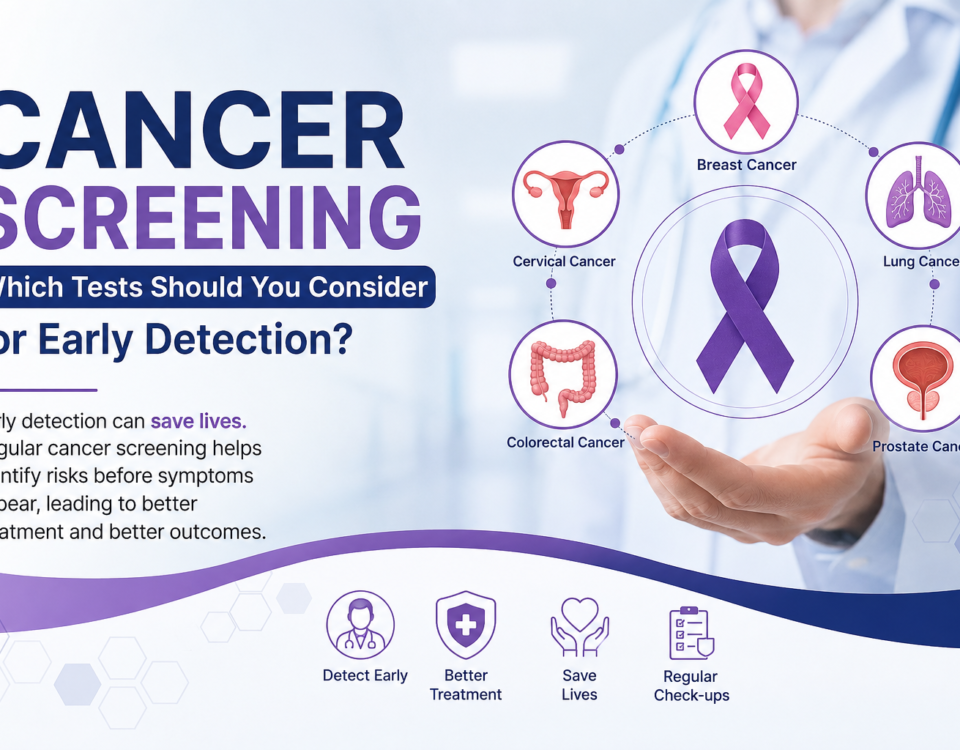
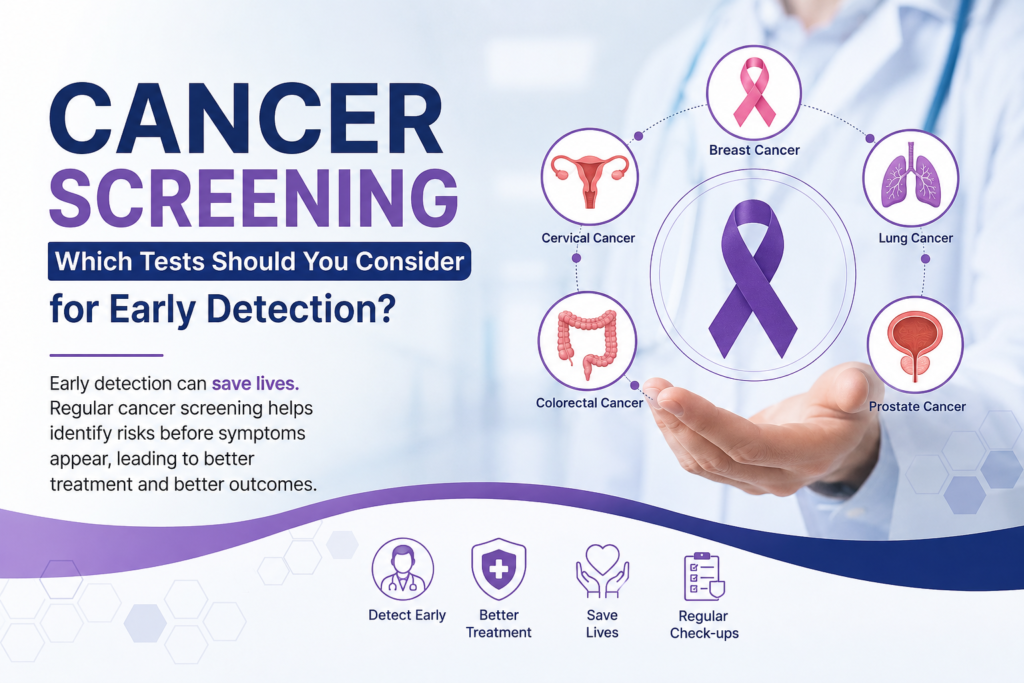
Early Detection of Lung Cancer: Symptoms, Screening & Prevention
July 18, 2026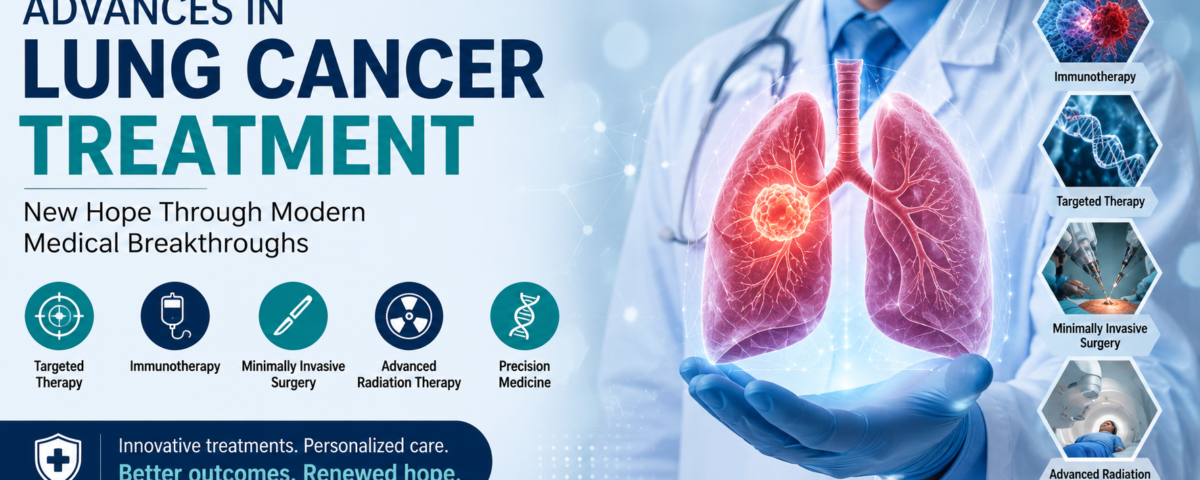
Lung cancer has long been considered one of the most challenging diseases to diagnose and treat. For many years, treatment options were limited, and survival rates remained low Lung cancer has long been considered one of the most challenging diseases to diagnose and treat. For many years, treatment options were limited, and survival rates remained low because the disease was often detected at an advanced stage. However, modern medical research has transformed the way lung cancer is diagnosed and managed. Today, patients have access to innovative therapies, advanced diagnostic technologies, and personalized treatment plans that offer greater hope than ever before.
Patients seeking lung cancer treatment in faridabad can also benefit from these advancements, as many healthcare centers now offer access to modern diagnostic tools, personalized treatment strategies, and multidisciplinary cancer care.the disease was often detected at an advanced stage. However, modern medical research has transformed the way lung cancer is diagnosed and managed. Today, patients have access to innovative therapies, advanced diagnostic technologies, and personalized treatment plans that offer greater hope than ever before.
Medical breakthroughs have improved not only survival rates but also the quality of life for many patients. Doctors can now identify the specific characteristics of a tumor, allowing treatments to target cancer cells more effectively while reducing damage to healthy tissues.
Understanding Lung Cancer and Why Early Detection Matters
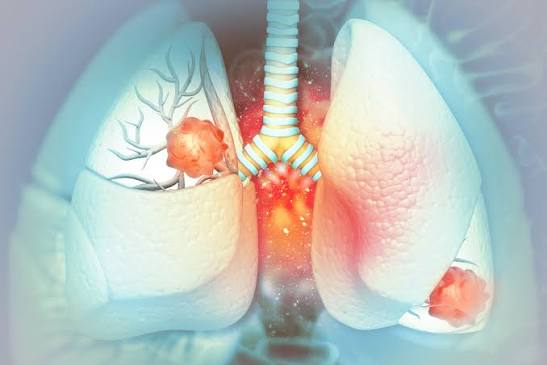
Lung cancer develops when abnormal cells in the lungs begin to grow uncontrollably. These cells can form tumors and spread to other parts of the body if not treated promptly.
The two primary types of lung cancer are:
- Non-Small Cell Lung Cancer (NSCLC), which accounts for the majority of cases.
- Small Cell Lung Cancer (SCLC), which is less common but grows and spreads more rapidly.
Early detection plays a significant role in improving treatment outcomes. When lung cancer is diagnosed in its initial stages, patients often have access to more treatment options and better long-term survival rates.
Common warning signs may include:
- Persistent cough lasting several weeks
- Chest pain
- Shortness of breath
- Coughing up blood
- Unexplained weight loss
- Constant fatigue
- Recurrent lung infections
Since these symptoms can also occur due to other medical conditions, timely medical evaluation is essential.
Modern Diagnostic Technologies Are Changing Everything
One of the biggest breakthroughs in lung cancer care is the improvement in diagnostic methods. Advanced imaging and molecular testing help physicians detect cancer earlier and understand its unique characteristics.
Some of the most important diagnostic advancements include:
- High-resolution CT scans
- Low-dose CT screening for high-risk individuals
- PET scans
- Bronchoscopy with advanced imaging
- Molecular and genetic testing
- Liquid biopsy using blood samples
These technologies enable healthcare providers to develop highly personalized treatment strategies based on the patient’s specific cancer type.
Personalized Medicine Is Transforming Treatment
Every lung cancer case is unique. Modern medicine recognizes that tumors may have different genetic mutations, even when they appear similar under a microscope.
Personalized medicine involves analyzing the genetic makeup of cancer cells to determine the most effective treatment for each patient.
This approach offers several advantages:
- More accurate treatment selection
- Better response to therapy
- Reduced unnecessary side effects
- Improved long-term outcomes
- Greater treatment precision
Instead of following a one-size-fits-all approach, doctors can tailor therapy according to the biology of the cancer.
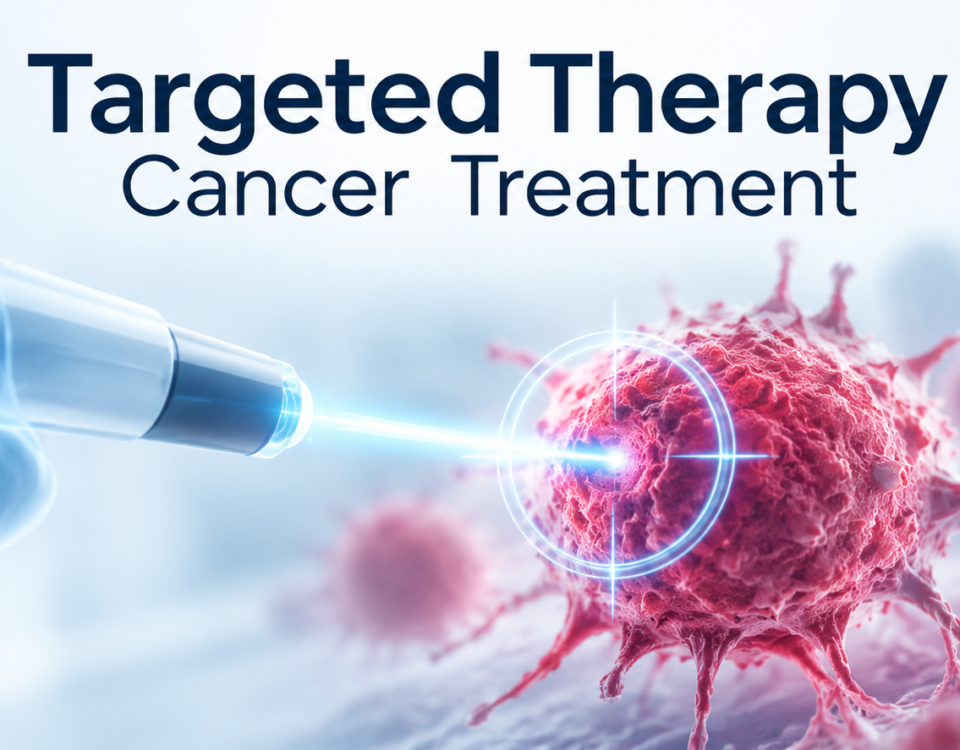
Targeted Therapy Offers Greater Precision
Targeted therapy represents one of the most significant advancements in lung cancer treatment. Unlike traditional chemotherapy, targeted drugs attack specific genetic mutations responsible for cancer growth.
Patients whose tumors contain particular mutations may benefit from these specialized medications.
Common genetic targets include:
- EGFR mutations
- ALK rearrangements
- ROS1 alterations
- BRAF mutations
- MET alterations
- RET gene changes
- KRAS mutations
These medications often provide better disease control while causing fewer side effects than conventional chemotherapy.
Regular molecular testing helps determine whether targeted therapy is suitable for a particular patient.
Immunotherapy Has Changed the Treatment Landscape
Immunotherapy has emerged as one of the most exciting developments in cancer care. Rather than attacking cancer directly, it strengthens the body’s immune system so it can recognize and destroy cancer cells more effectively.
Many patients with advanced lung cancer now benefit from immunotherapy, either alone or in combination with other treatments.
Potential benefits include:
- Longer-lasting treatment responses
- Improved survival for selected patients
- Better quality of life
- Fewer severe side effects compared to some traditional therapies
- Effective treatment for advanced-stage disease
Doctors often perform biomarker testing to determine whether immunotherapy is likely to be effective.
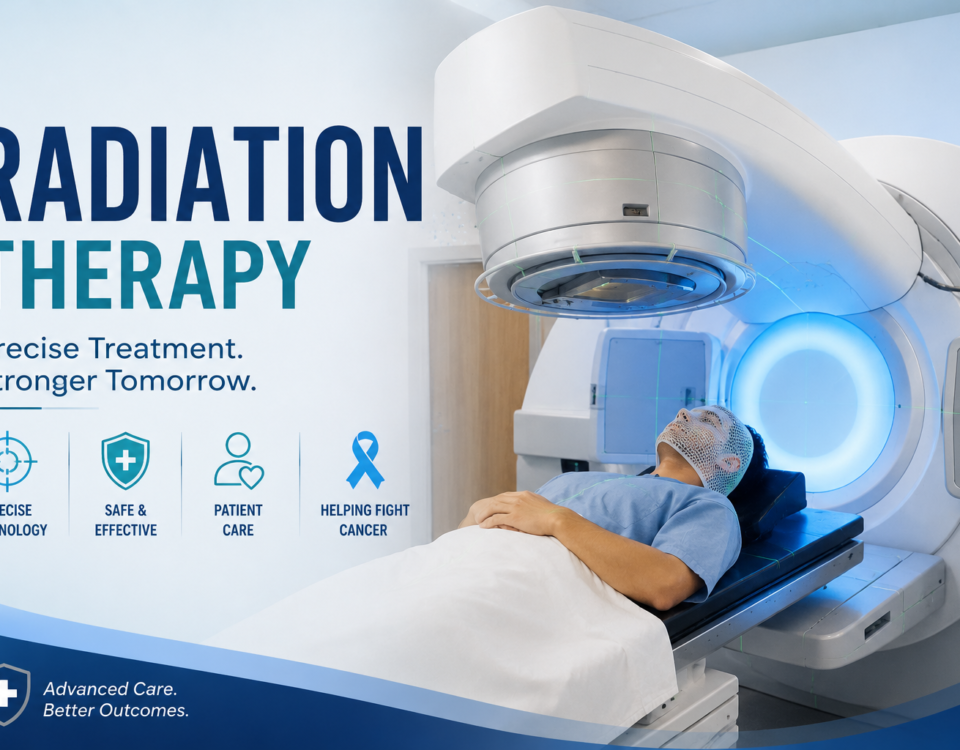
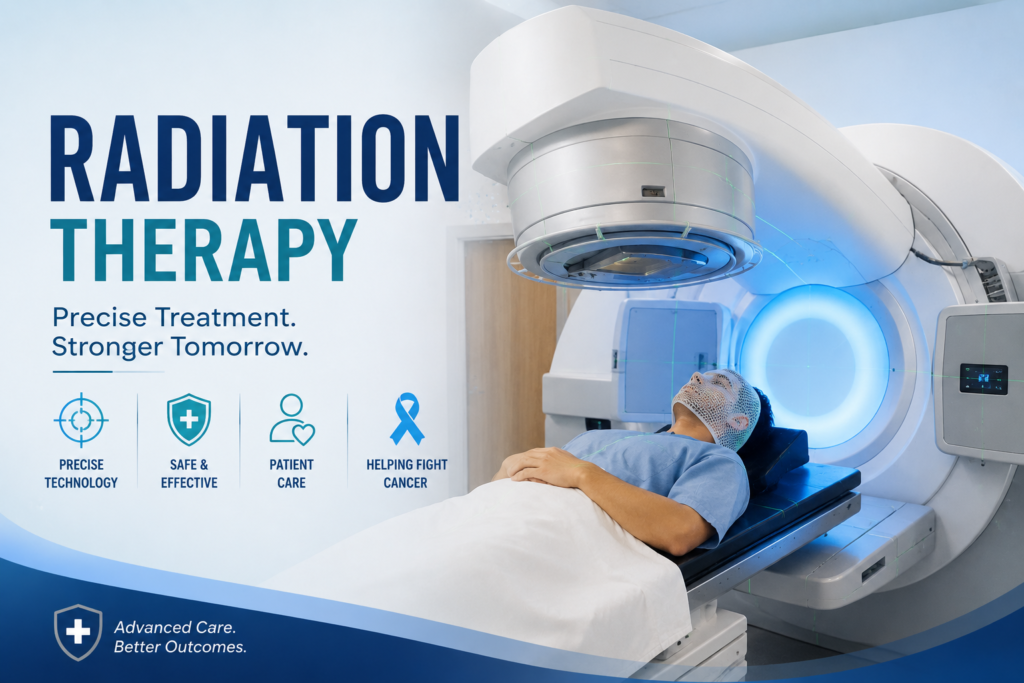
Advances in Radiation Therapy Improve Safety
Radiation therapy has also evolved significantly over the past decade. Modern radiation techniques are more precise, allowing doctors to target tumors while protecting nearby healthy tissues.
Some advanced radiation methods include:
- Stereotactic Body Radiation Therapy (SBRT)
- Intensity-Modulated Radiation Therapy (IMRT)
- Image-Guided Radiation Therapy (IGRT)
- Proton Beam Therapy in selected cases
These techniques help reduce treatment complications while improving cancer control.
For patients who cannot undergo surgery, advanced radiation therapy may provide excellent outcomes.
Minimally Invasive Surgery Improves Recovery
Surgery remains one of the most effective treatments for early-stage lung cancer. Fortunately, surgical techniques have become much less invasive.
Instead of large chest incisions, many procedures now use minimally invasive approaches.
Modern surgical options include:
- Video-Assisted Thoracoscopic Surgery (VATS)
- Robotic-assisted lung surgery
Benefits of minimally invasive surgery include:
- Smaller incisions
- Less pain after surgery
- Reduced blood loss
- Shorter hospital stay
- Faster recovery
- Lower risk of complications
These innovations allow many patients to return to their normal activities much sooner.
Artificial Intelligence Is Supporting Better Decisions
Artificial intelligence (AI) is becoming an important tool in lung cancer diagnosis and treatment planning.
AI systems can analyze medical images with remarkable accuracy, helping radiologists identify suspicious lung nodules that might otherwise be difficult to detect.
AI also assists in:
- Early cancer detection
- Predicting treatment response
- Identifying high-risk patients
- Improving diagnostic accuracy
- Supporting personalized treatment planning
Although AI does not replace medical professionals, it enhances clinical decision-making and improves patient care.
Clinical Trials Continue to Expand Treatment Options
Medical research is constantly introducing new therapies for lung cancer. Clinical trials provide patients with access to innovative treatments before they become widely available.
Researchers are currently studying:
- New immunotherapy combinations
- Next-generation targeted therapies
- Cancer vaccines
- Gene-based treatments
- Cellular therapies
- Combination treatment strategies
Participation in clinical trials may offer additional treatment opportunities for eligible patients while contributing to future medical advancements.
Comprehensive Support Improves Quality of Life
Modern lung cancer care extends beyond treating the disease itself. Comprehensive care focuses on the patient’s physical, emotional, and psychological well-being.
Supportive care may include:
- Pain management
- Nutritional counseling
- Pulmonary rehabilitation
- Mental health support
- Smoking cessation programs
- Physical therapy
- Palliative care when appropriate
This multidisciplinary approach helps patients maintain a better quality of life throughout treatment.
The Future of Lung Cancer Treatment Looks Promising
Researchers around the world continue to make remarkable progress in understanding lung cancer. New discoveries in genetics, immunology, and precision medicine are leading to treatments that are more effective and less invasive.
Future innovations are expected to include even earlier detection methods, more personalized therapies, improved drug combinations, and smarter technologies that enhance patient outcomes.
While lung cancer remains a serious disease, today’s medical breakthroughs have created new possibilities that were unimaginable just a decade ago.

Conclusion
Advances in lung cancer treatment have transformed patient care by introducing targeted therapies, immunotherapy, minimally invasive surgery, advanced radiation techniques, and precision medicine. These innovations are helping doctors deliver more personalized and effective treatments while improving survival rates and quality of life.
Early detection remains one of the most important factors in successful treatment, making regular health checkups and timely medical consultation essential. Choosing a trusted cancer treatment hospital in faridabad can further improve access to advanced diagnostic services, experienced specialists, and personalized treatment options. As research continues to uncover new medical breakthroughs, the future of lung cancer care continues to become brighter, offering renewed hope to patients and their families across the world.