Radiation Therapy Explained: Process, Benefits and Uses

How Does Targeted Therapy Work in Cancer Treatment?
August 6, 2026
Cancer Screening: Which Tests Should You Consider for Early Detection?
August 11, 2026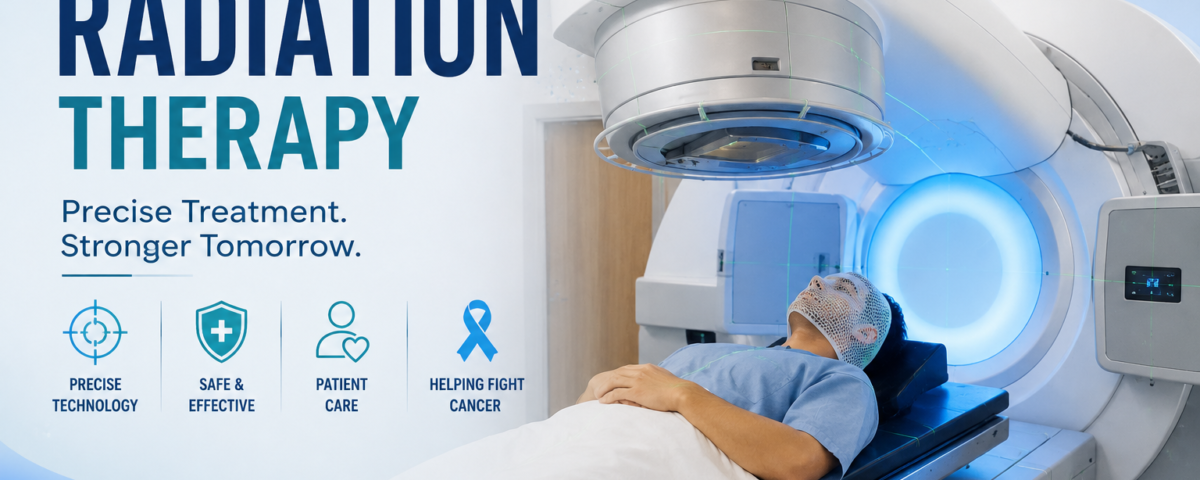
Radiation therapy is one of the important treatment approaches used in modern cancer care. It uses carefully controlled high-energy radiation to damage the DNA of cancer cells, preventing them from growing and multiplying. Depending on the type, location, and stage of cancer, radiation may be used alone or together with surgery, chemotherapy, immunotherapy, or other treatments.
READ MORE : How Does Targeted Therapy Work in Cancer Treatment?
Understanding how radiation therapy works can help patients and families feel more informed about the treatment process. Although the treatment plan differs from person to person, the overall goal is to target cancer cells as accurately as possible while protecting surrounding healthy tissues.
What Is Radiation Therapy?
Radiation therapy, also called radiotherapy, uses high-energy radiation to destroy or control cancer cells. Cancer cells generally grow and divide more rapidly than many normal cells, making them vulnerable to radiation-induced DNA damage.
Radiation does not always destroy cancer cells immediately. Instead, the damage can prevent them from continuing to divide. Over time, damaged cancer cells may die, while healthy cells have a greater ability to repair radiation-related damage.
Radiation can be delivered from outside the body or, in selected cases, from a radioactive source placed inside or close to the treatment area.
How Does Radiation Therapy Work?
The basic principle is to deliver a carefully planned dose of radiation to a specific area. The radiation damages the genetic material inside cancer cells, making it difficult for them to reproduce.
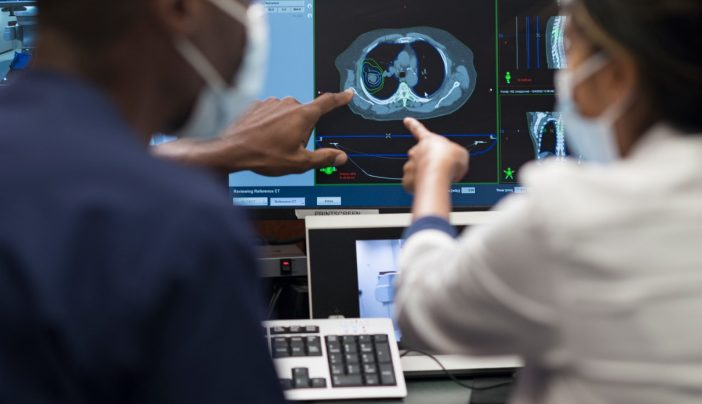
Modern radiation treatment planning uses imaging and specialised technology to identify the tumour’s location and determine how radiation should be delivered. The treatment team considers factors such as tumour size, location, cancer type, nearby organs, and the patient’s overall health.
The goal is to provide an effective dose to the tumour while limiting unnecessary exposure to surrounding healthy tissue.
Types of Radiation Therapy
There are different ways radiation can be delivered. The choice depends on the cancer and the patient’s individual treatment plan.
External Beam Radiation Therapy
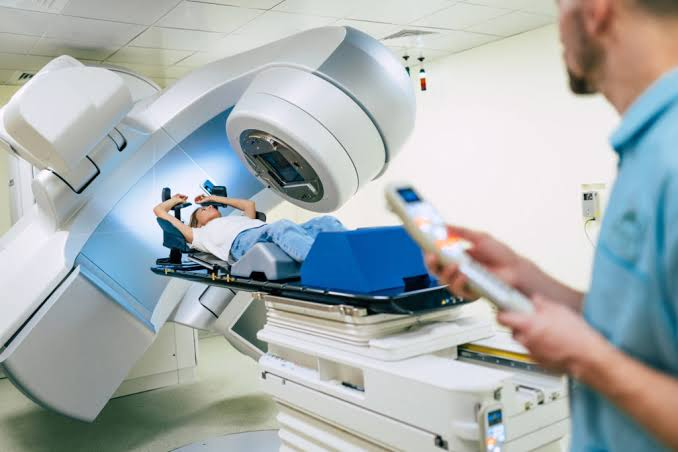
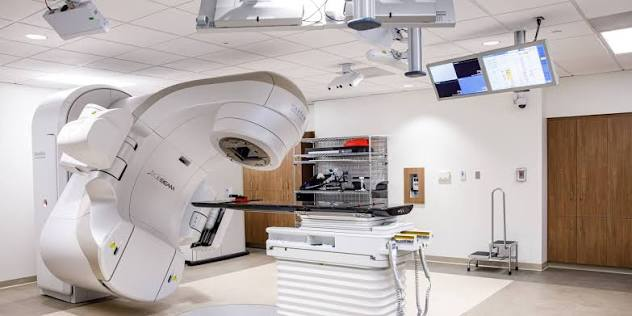
External beam radiation therapy delivers radiation from a machine outside the body. The machine is positioned carefully so that radiation reaches the planned treatment area.
Advanced techniques can shape and direct radiation more precisely. Treatment may be delivered over multiple sessions, depending on the prescribed dose and treatment objective.
Internal Radiation Therapy
Internal radiation therapy, sometimes called brachytherapy, involves placing a radioactive source inside the body or close to the tumour. This allows radiation to be delivered directly to or near the treatment area.
It may be used for selected cancers, including certain cervical, prostate, breast, and other cancers, depending on individual circumstances.
When Is Radiation Therapy Used?
Radiation therapy can have several roles in cancer treatment. In some situations, it may be used with the goal of eliminating cancer. In other cases, it may be given before surgery to shrink a tumour or after surgery to reduce the risk of cancer returning in the treated area.
Radiation can also be combined with chemotherapy, a treatment approach known as chemoradiation. For some advanced cancers, radiation may be used to control symptoms such as pain, bleeding, or pressure caused by a tumour.
The appropriate role of radiation depends on the cancer type, stage, tumour location, previous treatments, and overall health.
What Happens During Radiation Treatment?
Before treatment begins, patients usually undergo a planning process. Imaging scans may be used to identify the treatment area and help the medical team develop an appropriate radiation plan.
The patient may need to remain in a particular position during treatment so that radiation is delivered accurately. Depending on the technique, special positioning devices may be used to help maintain consistency between sessions.
During external radiation treatment, the machine delivers radiation while the patient remains in the planned position. The actual radiation delivery may take only a short time, although the entire appointment can take longer because of positioning and preparation.
Radiation treatment itself is generally not felt, although side effects can develop during or after a course of treatment.
Benefits of Radiation Therapy
One major benefit of radiation therapy is its ability to target a specific area of the body. This makes it useful for treating many localised tumours.
Radiation may help:
- Destroy cancer cells in a targeted area
- Shrink tumours before surgery
- Reduce the risk of local cancer recurrence
- Treat remaining cancer cells after surgery
- Control certain advanced cancers
- Relieve symptoms caused by tumours
- Work together with other cancer treatments
The potential benefits vary significantly according to the individual diagnosis and treatment plan.
Possible Side Effects
Radiation therapy can affect healthy cells near the treatment area, although modern techniques aim to reduce unnecessary exposure. Side effects depend largely on the body part being treated, radiation dose, treatment duration, and individual factors.
Common effects may include fatigue and skin changes in the treated area. Depending on the treatment location, patients may experience other temporary effects, such as changes in appetite, bowel habits, swallowing, or urinary function.
Patients should discuss expected side effects with their oncology team before treatment. Supportive care can often help manage treatment-related symptoms and improve comfort.
Importance of Personalised Cancer Care
No single radiation treatment plan is suitable for every patient. Doctors consider the cancer type, stage, tumour characteristics, previous treatments, general health, and treatment goals before recommending a specific approach.
Patients may benefit from discussing their diagnosis with an experienced cancer specialist and radiation oncology team. A multidisciplinary approach can help determine whether radiation should be used alone or combined with other treatments.
Patients seeking expert guidance can consult best oncologist in faridabad Dr. Novak Gupta, whose oncology practice focuses on personalised cancer care and treatment planning. His website describes experience across multiple cancer types and treatment approaches.
Radiation Therapy in Cancer Care
Radiation therapy continues to play an important role in modern oncology. Treatment planning has become increasingly precise, allowing medical teams to focus radiation on the intended area while attempting to minimise exposure to nearby healthy structures.
For patients exploring treatment options, information radiation therapy treatment in faridabad can be discussed with an appropriate oncology team. Individual treatment decisions should always be based on medical evaluation rather than general information.
Conclusion
Radiation therapy is a carefully planned cancer treatment that uses high-energy radiation to damage cancer cells and control tumour growth. It can be used before or after surgery, alongside other treatments, or to manage symptoms in selected situations.
The treatment process begins with detailed planning and continues with carefully delivered radiation sessions and ongoing monitoring. While side effects are possible, supportive care and modern treatment planning can help manage them.
Patients should discuss their diagnosis, treatment goals, expected benefits, possible side effects, and available alternatives with their oncology team. Understanding the process can help patients make informed decisions and approach cancer treatment with greater confidence.