Cancer Screening: Which Tests Should You Consider for Early Detection?

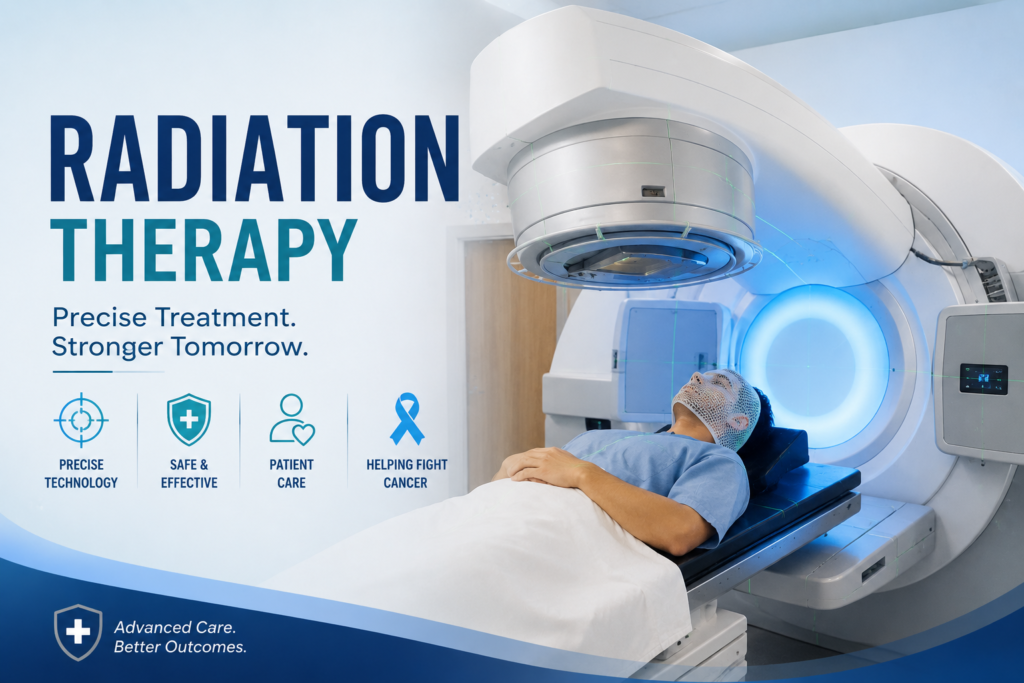
Radiation Therapy Explained: Process, Benefits and Uses
August 10, 2026
Kidney Cancer: Symptoms, Causes, Risk Factors & Treatment
September 10, 2026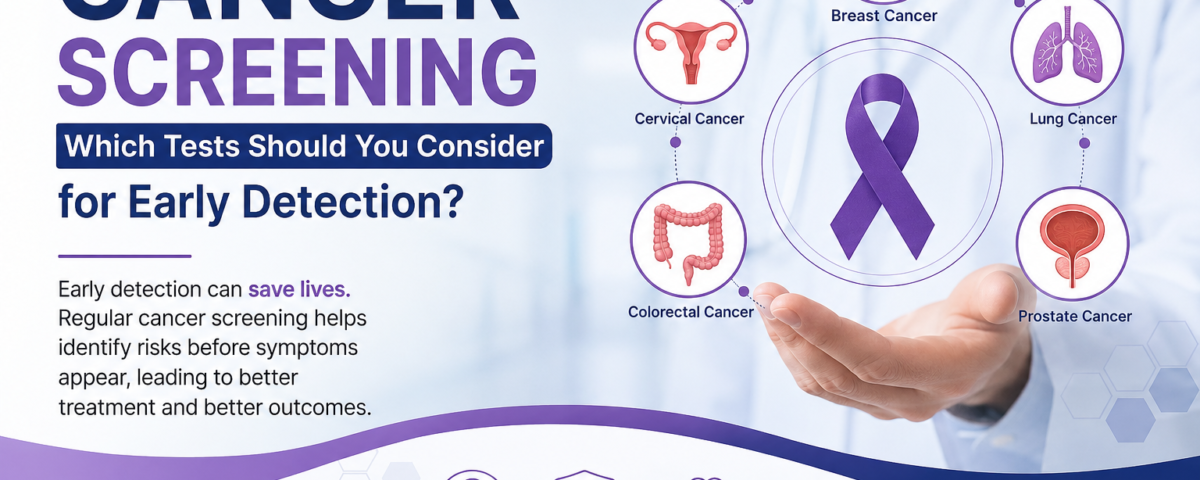
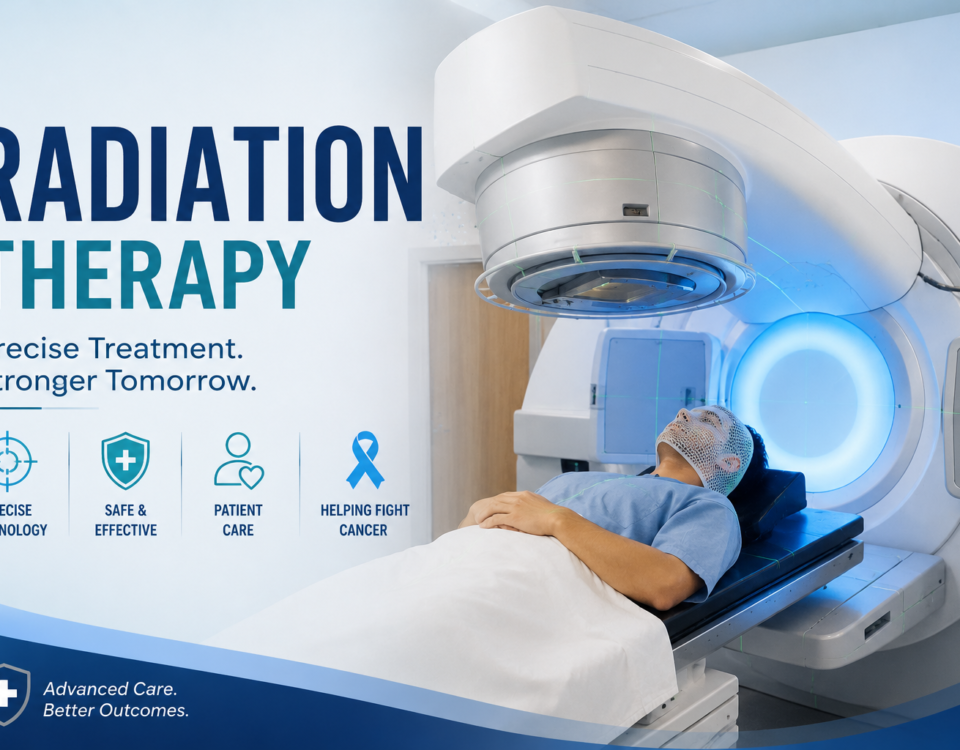
Cancer is one of the major health concerns worldwide, but early detection can make a significant difference in treatment outcomes. Many cancers may develop without causing noticeable symptoms during their initial stages. This is why cancer screening plays an important role in identifying abnormal changes before they become advanced. Regular screening can help doctors detect certain cancers at an earlier stage, when treatment may be more manageable and potentially more effective.
The right screening test depends on several factors, including age, sex, family history, lifestyle, previous medical conditions, and individual risk factors. Understanding commonly recommended cancer screening tests can help people make informed decisions about their health and discuss appropriate options with their healthcare provider. Individuals who have a higher risk of cancer or a strong family history should consider consulting specialists at a reputed cancer treatment hospital in faridabad for personalized screening recommendations, risk assessment, and timely medical guidance.
READ MORE : Radiation Therapy Explained: Process, Benefits and Uses
What Is Cancer Screening?
Cancer screening refers to medical tests performed to look for signs of cancer in people who may not have symptoms. Screening is different from diagnostic testing. Diagnostic tests are generally performed when a person has symptoms or an abnormal screening result that requires further investigation.
The purpose of screening is to identify cancer or precancerous changes as early as possible. However, not every screening test is suitable for everyone. Some tests are recommended for specific age groups or people with particular risk factors. A healthcare professional can help determine which tests are appropriate based on an individual’s medical history and risk profile.
Why Is Early Cancer Detection Important?
Early cancer detection can provide doctors with more treatment options and may improve the chances of successful management. When cancer is found before it spreads to nearby tissues or distant organs, treatment may be less complicated in some cases.
Regular screening is especially important because certain cancers can remain silent for a considerable period. A person may feel completely healthy while abnormal cells are developing. This makes preventive healthcare and timely screening valuable components of long-term health management.
However, screening does not guarantee that cancer will never develop. It is one part of a broader approach that also includes awareness of symptoms, healthy lifestyle choices, medical consultations, and appropriate follow-up.
Breast Cancer Screening
Breast cancer screening is an important part of preventive healthcare for women. Mammography is one of the most commonly used screening methods for detecting breast abnormalities. It uses low-dose X-rays to examine breast tissue and can sometimes identify changes before they become noticeable through physical symptoms.
Depending on age, personal risk, family history, and previous breast-related findings, a doctor may recommend mammography at specific intervals. In certain situations, additional imaging such as breast ultrasound or magnetic resonance imaging may also be considered.
Women should discuss their individual breast cancer risk with a healthcare professional to understand when screening should begin and which approach is most suitable.
Cervical Cancer Screening
Cervical cancer is another cancer for which screening can be particularly valuable because certain changes can be detected before invasive cancer develops. The Pap test, also known as a Pap smear, checks cervical cells for abnormal changes. HPV testing may also be used to identify high-risk types of human papillomavirus associated with cervical cancer.
The recommended screening schedule can vary according to age and previous test results. Regular screening, along with appropriate follow-up of abnormal results, can help identify precancerous changes at an earlier stage.
Women should not wait for symptoms such as abnormal bleeding or pelvic discomfort before discussing cervical health with their doctor. Preventive screening can be important even when a person feels healthy.
Colorectal Cancer Screening
Colorectal cancer screening is designed to identify abnormalities in the colon or rectum. Different screening approaches may be used depending on age and individual risk. Stool-based tests can look for hidden blood or other changes, while colonoscopy allows a doctor to examine the inside of the colon directly.
Colonoscopy can also help identify and remove certain polyps before they develop into cancer. This makes colorectal screening valuable not only for detecting cancer but also for identifying potentially precancerous growths.
People with a family history of colorectal cancer or certain gastrointestinal conditions may need to begin screening earlier or undergo screening more frequently. A doctor can determine an appropriate schedule based on individual circumstances.
Lung Cancer Screening
Lung cancer screening is generally considered for people who have a significant history of cigarette smoking and meet specific age and risk criteria. Low-dose computed tomography, commonly known as low-dose CT, may be used to look for early signs of lung cancer.
It is important to understand that lung cancer screening is not intended for every individual. The potential benefits and limitations should be discussed with a qualified healthcare professional. People who smoke should also consider smoking cessation as one of the most important steps for reducing their long-term cancer risk.
Prostate Cancer Screening
For men ,prostate cancer screening may involve a prostate-specific antigen, or PSA, blood test. A digital rectal examination may also be considered in certain circumstances. However, prostate screening requires individualized decision-making because PSA levels can be affected by conditions other than cancer.
Age, family history, ethnicity, existing health concerns, and personal preferences may influence the decision to undergo screening. Men who have a higher risk of prostate cancer should discuss screening with their healthcare provider rather than relying on a one-size-fits-all approach.
Screening for Other Types of Cancer
Some cancers do not have widely recommended routine screening tests for the general population. For example, pancreatic, ovarian, and certain other cancers may require individualized evaluation when a person has significant symptoms or specific risk factors.
People with a strong family history of cancer or known inherited genetic conditions may require specialized surveillance. In such situations, a doctor may recommend genetic counselling, imaging, laboratory tests, or other evaluations depending on the suspected risk.
This is why cancer screening should always be personalized rather than based solely on general information found online.
Who Should Consider Cancer Screening?
Cancer screening is not limited to people who have symptoms. Healthy individuals may also benefit from age-appropriate screening. However, the appropriate test and timing depend on personal circumstances.
A person with a family history of cancer may require earlier or more frequent evaluation. Lifestyle factors such as tobacco use, alcohol consumption, obesity, and prolonged exposure to certain environmental or occupational substances may also influence cancer risk.
Anyone who notices persistent or unexplained changes in their health should consult a medical professional even if their routine screening test is normal. Screening and diagnostic evaluation serve different purposes, and symptoms should never be ignored.

Understanding Your Screening Results
An abnormal screening result does not automatically mean that a person has cancer. Screening tests are designed to identify people who may need further evaluation. Additional imaging, laboratory testing, tissue sampling, or other diagnostic procedures may be recommended depending on the result.
Similarly, a normal screening result does not mean that cancer is impossible. Following the recommended screening schedule and reporting new or persistent symptoms remain important.
For individuals who need expert evaluation and guidance regarding suspected or diagnosed cancer, consulting an experienced specialist such as Dr Novak Gupta Faridabad can help in understanding the next steps. A personalized approach allows medical decisions to be based on the individual’s condition, test results, and overall health.
The Role of Regular Health Checkups
Cancer screening should be considered part of regular preventive healthcare rather than a one-time activity. Keeping track of recommended screenings can help people stay proactive about their health.
Maintaining a healthy weight, eating a balanced diet, staying physically active, avoiding tobacco, limiting alcohol, and protecting the skin from excessive ultraviolet exposure can also contribute to reducing certain cancer risks. These habits do not eliminate the possibility of cancer, but they can support overall health and preventive care.
If a screening test identifies a suspicious finding, timely follow-up becomes extremely important. Delaying recommended diagnostic evaluation can allow a potentially serious condition to progress without proper assessment.
Making an Informed Screening Plan
There is no single cancer screening schedule that works for everyone. The best plan is based on age, sex, family history, lifestyle, previous medical conditions, genetic risk, and other personal factors.
Discussing these details with a qualified healthcare professional can help you understand which cancer screening tests may be appropriate and when they should be performed. If you have concerns about unusual symptoms, a strong family history, or an increased risk of cancer, professional medical advice should be sought rather than relying on self-assessment.
For people looking for specialized guidance related to cancer evaluation and treatment, Dr Novak Gupta Faridabad, recognized as a best oncologist in faridabad, can provide professional medical assessment and help patients understand appropriate diagnostic and treatment pathways. Early consultation with an experienced oncologist can support timely diagnosis, personalized treatment planning, and informed healthcare decisions based on the patient’s individual condition.

Conclusion
Cancer screening is an important tool for detecting certain cancers and precancerous changes at an earlier stage. Tests such as mammography, cervical screening, colorectal screening, lung cancer screening, and prostate evaluation may be appropriate for different individuals depending on their age and risk factors.
The most important step is to avoid assuming that the same screening plan is suitable for everyone. Discuss your personal risk factors and screening options with a healthcare professional, follow recommended testing schedules, and seek medical attention for persistent or unusual symptoms. Early attention, informed decisions, and appropriate follow-up can all play an important role in better cancer care and overall health.