Early Detection of Lung Cancer: Symptoms, Screening & Prevention

Advances in Lung Cancer Treatment: New Hope Through Modern Medical Breakthroughs
July 15, 2026
Chemotherapy for Stomach Cancer: A Complete Guide to Treatment and Recovery
July 20, 2026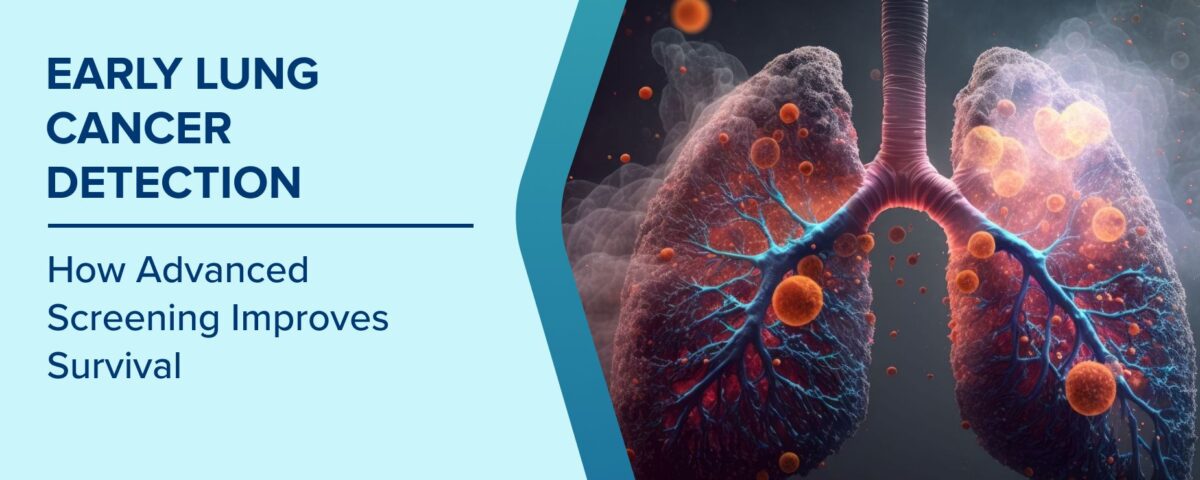
Lung cancer is one of the most common and serious types of cancer worldwide. It develops when abnormal cells in the lungs grow uncontrollably, forming tumors that can spread to other parts of the body if left untreated. While lung cancer has long been associated with smoking, it can also affect non-smokers due to factors such as air pollution, secondhand smoke, occupational exposure to harmful chemicals, and genetic predisposition.
One of the biggest challenges with Lung Cancer Treatment in Faridabad ung cancer is that it often does not cause noticeable symptoms during its early stages. Many people are diagnosed only after the disease has advanced, making treatment more difficult. However, when detected early, lung cancer is much more likely to be treated successfully. Understanding the symptoms, screening methods, and preventive measures can significantly improve outcomes and help protect long-term health.
READ MORE : Advances in Lung Cancer Treatment: New Hope Through Modern Medical Breakthroughs
Understanding Lung Cancer and Its Risk Factors
Lung cancer begins in the tissues of the lungs, usually in the cells lining the air passages. There are two major types:
- Non-small cell lung cancer (NSCLC), which accounts for most cases.
- Small cell lung cancer (SCLC), which is less common but tends to grow and spread more rapidly.
Several factors increase the risk of developing lung cancer, including:
- Smoking cigarettes, cigars, or pipes.
- Exposure to secondhand smoke.
- Long-term exposure to radon gas.
- Air pollution.
- Exposure to asbestos, arsenic, diesel exhaust, or other industrial chemicals.
- Family history of lung cancer.
- Previous radiation therapy to the chest.
Although smoking remains the leading cause, a growing number of non-smokers are also being diagnosed with lung cancer. This highlights the importance of awareness for everyone.
Early Warning Signs You Should Never Ignore
The early symptoms of lung cancer can be mild and may resemble common respiratory illnesses. If these symptoms persist for several weeks, medical evaluation should not be delayed.
Common symptoms include:
- A persistent cough that does not improve.
- Coughing up blood or blood-streaked mucus.
- Chest pain that worsens while breathing or coughing.
- Shortness of breath.
- Wheezing.
- Hoarseness of voice.
- Frequent chest infections.
- Unexplained weight loss.
- Fatigue and weakness.
- Loss of appetite.
These symptoms do not always indicate lung cancer, but they should never be ignored, especially by individuals with known risk factors.
Why Lung Cancer Often Goes Undetected
The lungs contain very few pain-sensitive nerves, allowing tumors to grow without causing immediate discomfort. In many cases, symptoms only become noticeable after the cancer has grown significantly or spread beyond the lungs.
People often mistake early signs for:
- Seasonal allergies.
- A lingering cold.
- Bronchitis.
- Asthma.
- Smoking-related cough.
This is why routine screening for high-risk individuals is essential, even when no symptoms are present.
Who Should Consider Lung Cancer Screening?
Screening is designed to detect lung cancer before symptoms appear. Healthcare providers usually recommend screening for people with a high risk of developing the disease.
Individuals who may benefit from screening include:
- Adults between the recommended screening age groups advised by healthcare professionals.
- Current smokers with a long smoking history.
- Former smokers who quit within the past several years.
- Individuals with significant occupational exposure to harmful substances.
- People with multiple risk factors and a family history of lung cancer.
Your doctor can assess your personal risk and determine whether screening is appropriate.
Low-Dose CT Scan: The Gold Standard for Screening
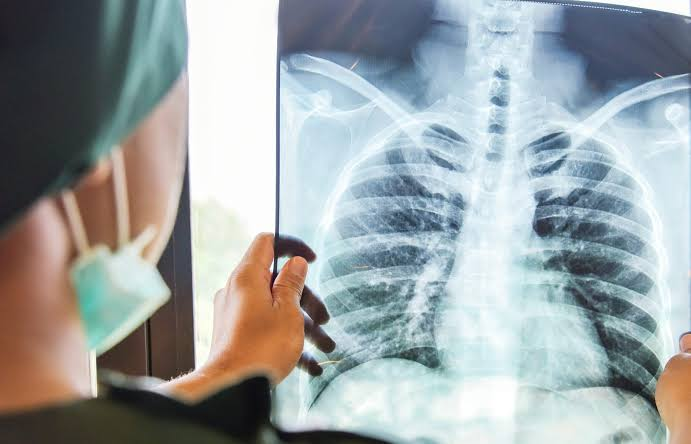
The most effective screening test for lung cancer is the Low-Dose Computed Tomography (LDCT) scan. Unlike a regular chest X-ray, LDCT can identify very small lung nodules before they become symptomatic.
Benefits of LDCT screening include:
- Detects cancer at an earlier stage.
- Improves treatment success rates.
- Increases survival chances.
- Uses lower radiation compared to a standard CT scan.
- Can identify abnormalities before symptoms develop.
The procedure is quick, painless, and usually completed within a few minutes.
What Happens After an Abnormal Screening Result?
An abnormal screening result does not always mean cancer is present. Many lung nodules are non-cancerous and may result from previous infections or inflammation.
Depending on the findings, your doctor may recommend:
- Repeat CT scans for monitoring.
- PET scans.
- Bronchoscopy.
- Needle biopsy.
- Surgical biopsy when necessary.
Further evaluation helps determine whether treatment is required or continued observation is sufficient.
Treatment Is More Effective When Cancer Is Found Early
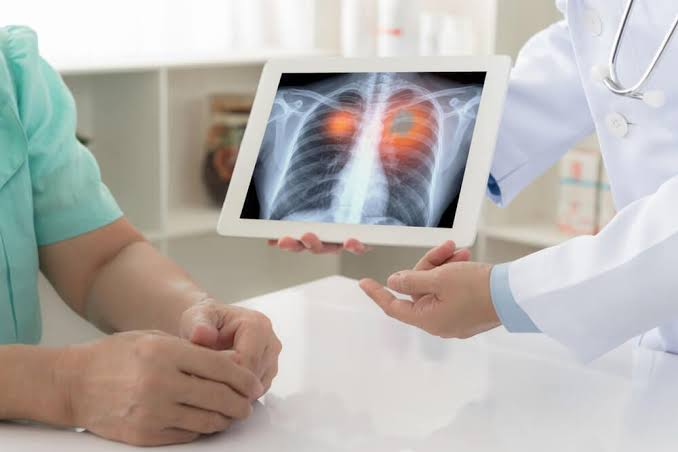
The stage at which lung cancer is diagnosed greatly influences treatment outcomes. Early-stage lung cancer offers more treatment options and better survival rates.
Treatment may include:
- Surgery to remove the tumor.
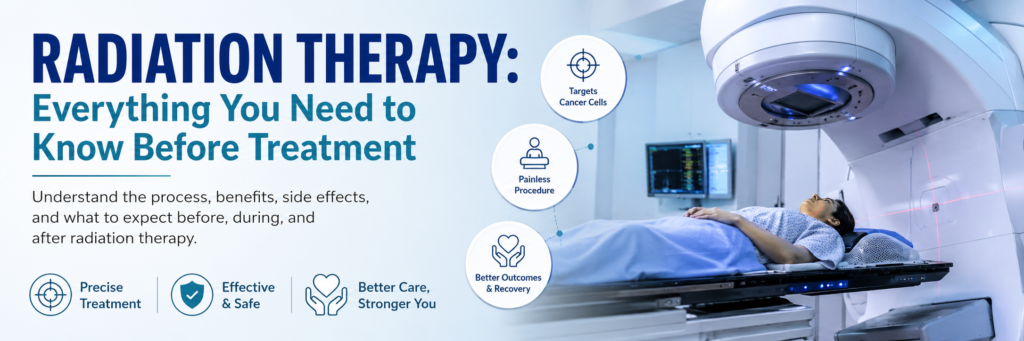
- Radiation therapy.
- Chemotherapy.
- Targeted therapy.
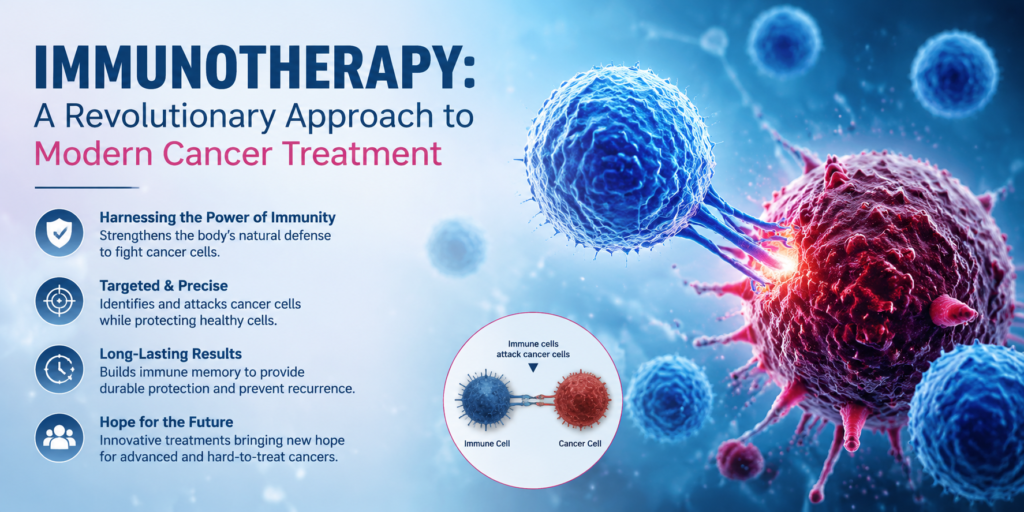
- Immunotherapy.
- Combination treatment plans.
Medical teams create individualized treatment strategies based on the cancer type, stage, and overall health of the patient.
Everyday Habits That Help Prevent Lung Cancer
Although not every case can be prevented, adopting healthy lifestyle habits can significantly reduce the risk.
Preventive measures include:
- Quit smoking as early as possible.
- Avoid exposure to secondhand smoke.
- Test your home for radon if recommended in your region.
- Wear protective equipment in hazardous workplaces.
- Reduce exposure to air pollution whenever possible.
- Exercise regularly.
- Eat a balanced diet rich in fruits and vegetables.
- Maintain a healthy body weight.
- Follow workplace safety guidelines.
- Attend regular health checkups if you are at high risk.
These habits support both lung health and overall well-being.
Lung Cancer in Non-Smokers: A Growing Concern
Many people believe lung cancer only affects smokers, but this is a misconception. A significant number of cases occur in individuals who have never smoked.
Possible contributing factors include:
- Indoor and outdoor air pollution.
- Radon exposure.
- Genetic mutations.
- Occupational hazards.
- Long-term secondhand smoke exposure.
Because symptoms can be similar regardless of smoking status, everyone should seek medical advice if persistent respiratory symptoms develop.
Myths and Facts About Lung Cancer
Several misconceptions continue to delay diagnosis and treatment.
Myth: Only smokers develop lung cancer.
Fact: Non-smokers can also develop lung cancer.
Myth: A normal chest X-ray always rules out lung cancer.
Fact: Small tumors may not appear on a chest X-ray, making CT screening more effective for high-risk individuals.
Myth: A chronic cough is always due to smoking.
Fact: A persistent cough should always be evaluated by a healthcare provider.
Myth: Lung cancer cannot be treated successfully.
Fact: Early-stage lung cancer often responds well to modern treatments.
When Should You See a Doctor?
Do not ignore symptoms that continue for more than a few weeks. Prompt medical evaluation is especially important if you experience:
- Persistent cough.
- Blood in sputum.
- Unexplained chest pain.
- Ongoing shortness of breath.
- Unexplained weight loss.
- Frequent respiratory infections.
- Persistent fatigue.
Early consultation allows doctors to investigate symptoms before they become more serious.
The Importance of Regular Health Monitoring
Routine medical checkups play a vital role in identifying health problems before they progress. Individuals at higher risk should discuss lung cancer screening with their healthcare provider and follow recommended screening schedules.
Maintaining a healthy lifestyle, staying physically active, avoiding tobacco, and recognizing early warning signs all contribute to better lung health. Even if you feel well, preventive healthcare remains one of the most effective ways to reduce the burden of serious diseases.
Conclusion
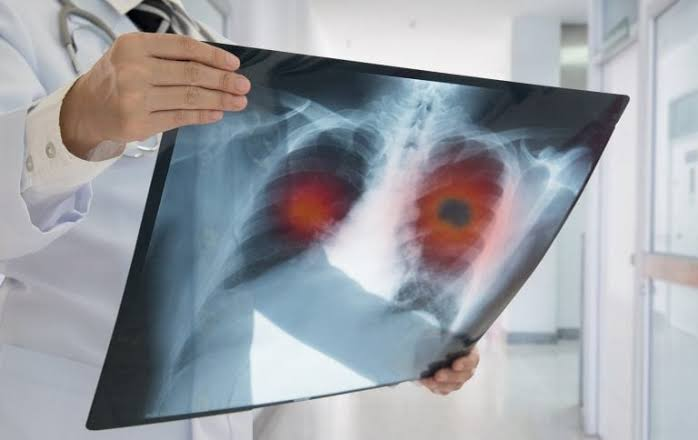
Early detection remains one of the strongest weapons against lung cancer. Since symptoms often appear only after the disease has advanced, understanding the warning signs and recognizing personal risk factors are essential. Low-dose CT screening has transformed the ability to identify lung cancer at an earlier and more treatable stage, offering patients greater treatment options and improved survival.
By avoiding tobacco, minimizing exposure to harmful substances, maintaining a healthy lifestyle, and seeking timely medical evaluation for persistent symptoms, individuals can take meaningful steps toward protecting their cancer treatment hospital in faridabad Awareness, prevention, and regular screening for eligible individuals can make a significant difference in reducing the impact of lung cancer and improving long-term quality of life.