Cancer Types and Locations: Symptoms, Causes and More

Cancer Treatment: A Complete Guide for Patients
September 19, 2026
Stages of Disease: Understanding Progression and Severity
September 25, 2026
Cancer is a broad group of diseases that can develop in almost any part of the body. It occurs when abnormal cells grow uncontrollably and may invade nearby tissues or spread to other organs. Understanding Cancer Types and Locations can help people recognize potential warning signs and understand why cancer can affect individuals differently. The location where cancer begins often influences its symptoms, diagnosis, and treatment approach. Dr. Novak Gupta, known as a best cancer doctor in Faridabad, provides specialized oncology care and guidance for patients dealing with different cancer-related concerns. Unders
Learning about Cancer Types and Locations can also encourage people to understand risk factors, recognize changes in their health, and seek professional medical advice when unusual symptoms persist.
Understanding Cancer Types and Locations
Cancer can originate in different tissues and organs, and each form may behave differently. The term Cancer Types and Locations describes both the kind of cancer and the part of the body where it develops. Some cancers begin in organs, while others originate in blood-forming tissues, connective tissues, or cells responsible for producing skin pigment.
The location of a tumor does not always indicate how serious the disease is. Factors such as cancer type, stage, grade, genetic characteristics, and whether it has spread can influence diagnosis and treatment planning.
Major Types of Cancer
There are many types of cancer, and they are generally classified according to the cells or tissues where they begin. Common categories include carcinoma, sarcoma, leukemia, lymphoma, and melanoma.
Carcinoma
Carcinomas develop from epithelial cells, which cover the surfaces of organs and tissues. Breast, lung, colorectal, prostate, and many skin cancers are examples of carcinomas.
Sarcoma
Sarcomas develop in connective tissues such as bone, muscle, fat, cartilage, and blood vessels. They are less common than many carcinomas but can occur in different areas of the body.
Leukemia
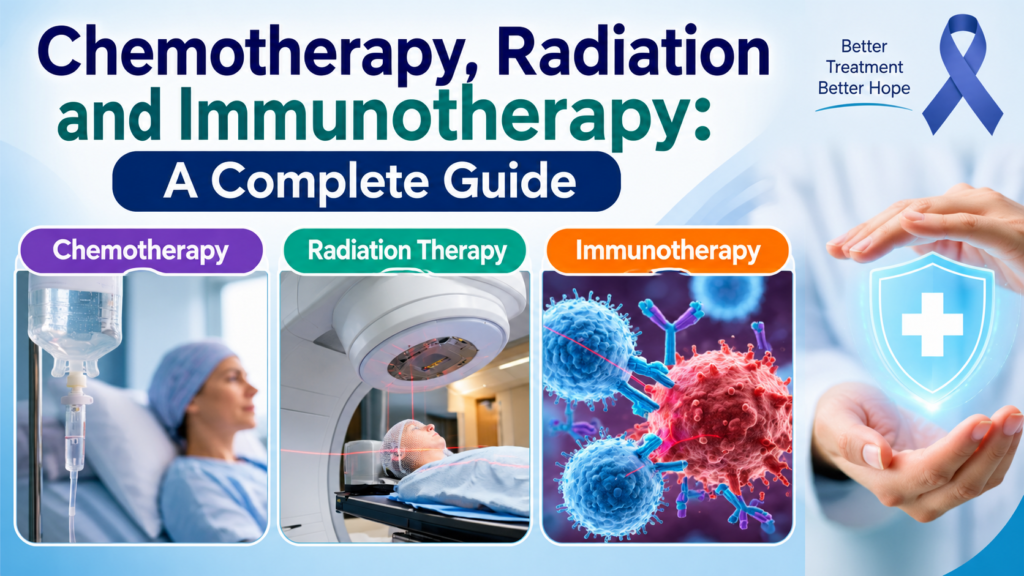
Leukemia affects blood-forming tissues, particularly the bone marrow. It leads to the production of abnormal blood cells and can affect normal blood-cell function.
Lymphoma
Lymphoma develops in the lymphatic system, which is an important part of the immune system. Hodgkin lymphoma and non-Hodgkin lymphoma are two broad categories.
Melanoma
Melanoma begins in melanocytes, the cells that produce melanin. It most commonly develops in the skin but can occasionally occur in other areas containing these cells.
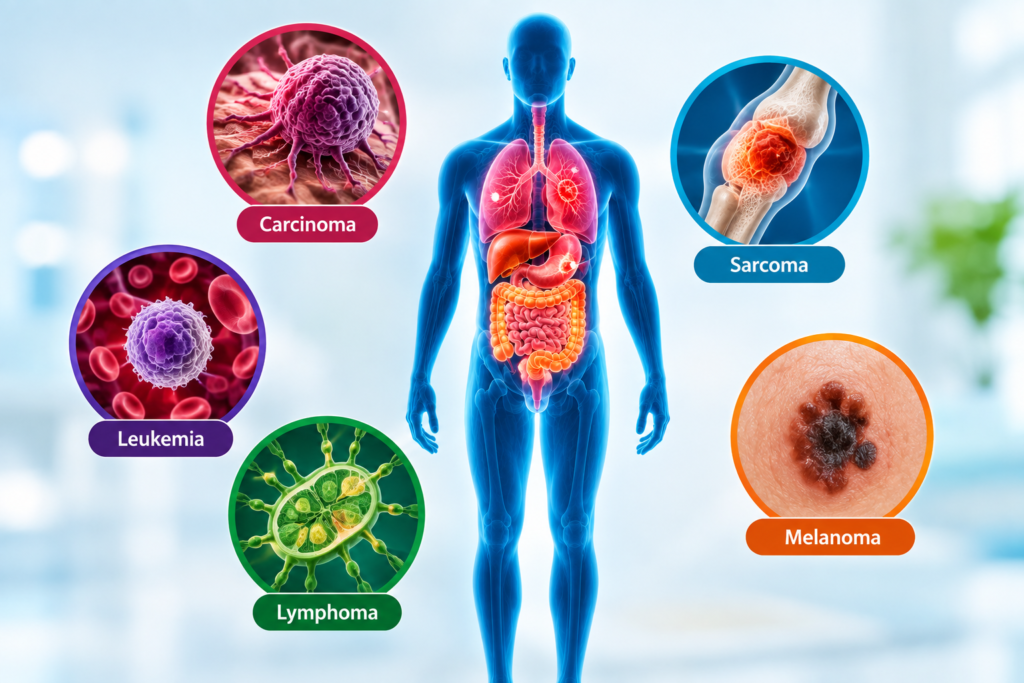
Cancer by Location in the Body
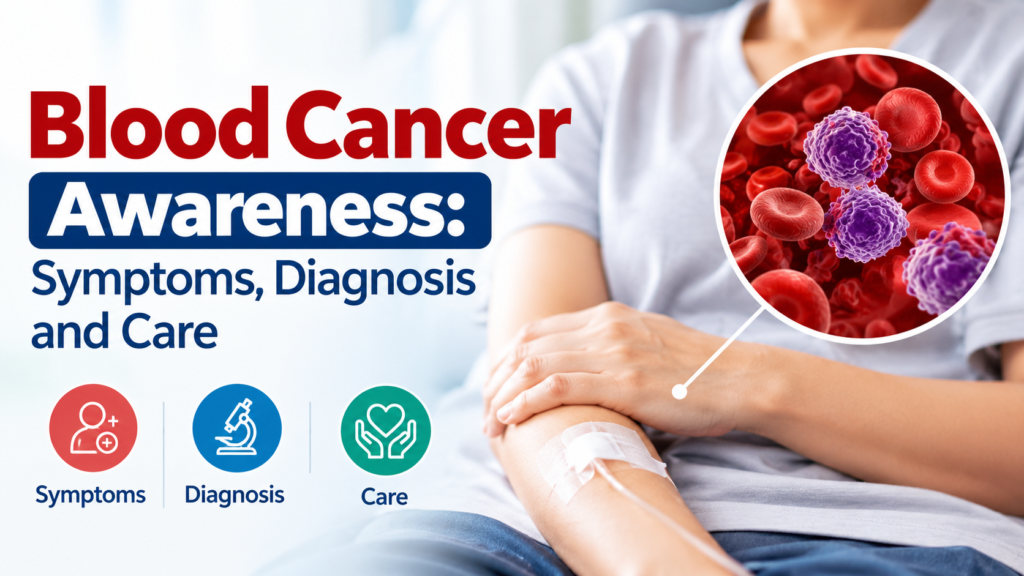
Understanding Cancer Types and Locations is useful because cancers arising in different organs may produce different symptoms and require different diagnostic approaches.
Breast Cancer
Breast cancer develops in breast tissue and may cause a lump, breast or nipple changes, skin changes, or unusual discharge. Regular awareness and appropriate screening can help identify abnormalities early.
Lung Cancer
Lung cancer begins in the lungs and may cause a persistent cough, chest discomfort, shortness of breath, coughing up blood, or unexplained weight loss. However, early lung cancer may sometimes cause few or no noticeable symptoms.
Colorectal Cancer
Colorectal cancer affects the colon or rectum. Possible signs include changes in bowel habits, blood in the stool, abdominal discomfort, unexplained weight loss, and persistent changes in stool appearance.
Prostate Cancer
Prostate cancer develops in the prostate gland. Some individuals may experience urinary difficulties, although early prostate cancer may not cause noticeable symptoms.
Liver Cancer
Liver cancer develops in the liver and may cause abdominal discomfort, unexplained weight loss, loss of appetite, jaundice, or swelling. Symptoms can vary depending on the stage and underlying health condition.
Recognizing Cancer Symptoms
Cancer symptoms can vary considerably depending on the affected organ, cancer type, and stage. Some warning signs may include unexplained weight loss, persistent fatigue, unusual bleeding, a new lump, persistent pain, changes in bowel or bladder habits, prolonged cough, or changes in the skin.
Having one of these symptoms does not necessarily mean a person has cancer. Many symptoms can have other causes. However, persistent or unexplained changes should be discussed with a qualified healthcare professional.
Causes and Risk Factors
The causes of cancer are complex and can involve genetic, environmental, and lifestyle-related factors. Some cancers are associated with inherited genetic changes, while others may develop because of acquired changes in cells over time.
Tobacco use, excessive alcohol consumption, certain infections, exposure to some harmful substances, ultraviolet radiation, obesity, and limited physical activity can increase the risk of particular cancers. However, having a risk factor does not mean that a person will definitely develop cancer.
How Is Cancer Diagnosed?
Doctors use different methods to investigate suspected cancer. Depending on the symptoms and suspected location, evaluation may include a physical examination, blood tests, imaging studies, endoscopy, or biopsy.
A biopsy is often important because examining tissue under a microscope can help determine whether abnormal cells are cancerous and identify their characteristics. Additional testing may be performed to establish the stage and guide treatment planning.
Treatment Options for Different Cancers
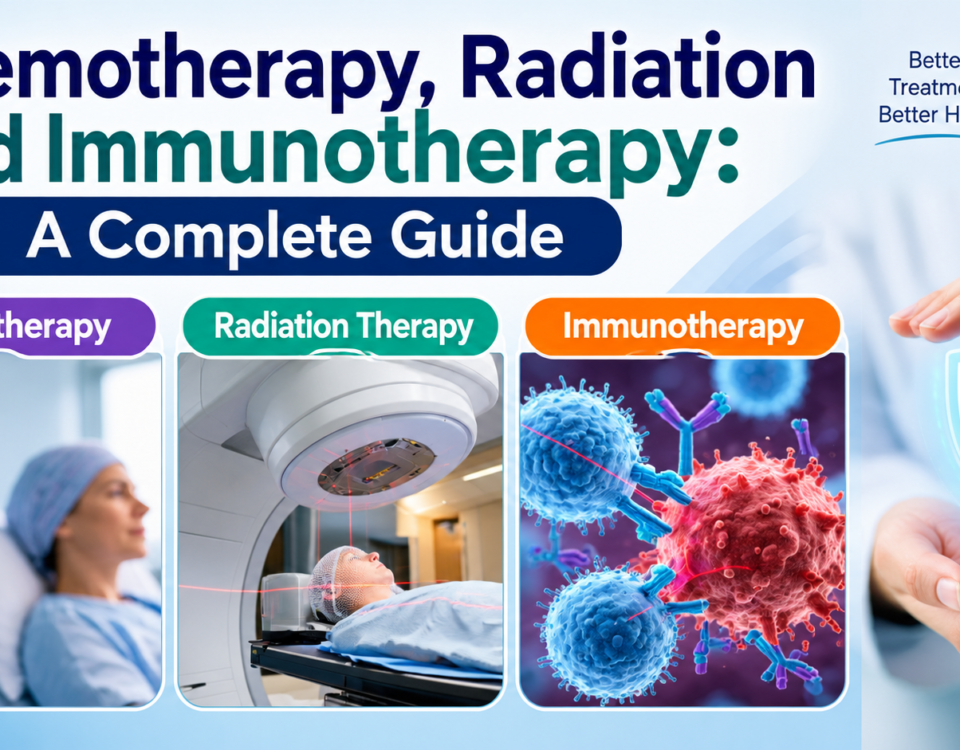
Treatment depends on the cancer type, location, stage, overall health, and other individual factors. Options may include surgery, chemotherapy, radiation therapy, targeted therapy, immunotherapy, hormone therapy, or combinations of these approaches.
Treatment plans are individualized rather than being identical for everyone with the same cancer. Advances in diagnostic testing and oncology have also allowed doctors to consider specific characteristics of some tumors when selecting treatment.

Why Early Medical Evaluation Matters
Understanding Cancer Types and Locations can help people become more aware of changes that deserve medical attention. Early evaluation does not guarantee that a condition will be cancer, but it can help identify the cause of persistent symptoms and allow appropriate care to begin when necessary.
Regular screening may also be recommended for certain cancers based on factors such as age, sex, family history, and individual risk. People should discuss appropriate screening schedules with their healthcare professionals.
Conclusion
Learning about Cancer Types and Locations provides a clearer understanding of how cancer can develop in different tissues and organs. Knowing the major types of cancer, possible risk factors, warning signs, and diagnostic methods can encourage informed conversations with healthcare professionals.
Similarly, recognizing cancer symptoms such as unexplained weight loss, persistent pain, unusual bleeding, prolonged cough, or unexplained changes in normal body functions can encourage timely evaluation. Cancer Types and Locations are important considerations when doctors determine diagnostic and treatment strategies, because not every cancer is the same.
Dr. Novak Gupta can provide professional oncology consultation and help patients understand their diagnosis, available investigations, and potential treatment approaches based on their individual medical needs.