Cervical Cancer Prevention, Screening, Treatment and Care

Life After Cancer Treatment: Follow-Up Care and Recovery
October 3, 2026
Blood Cancer Awareness: Symptoms, Diagnosis and Care
October 8, 2026
Cervical cancer develops in the cells of the cervix and is often linked to persistent infection with high-risk types of human papillomavirus (HPV). It can affect women at different ages, but regular screening and preventive healthcare can significantly reduce the risk of advanced disease. Dr. Novak Gupta emphasizes the importance of understanding risk factors, recognizing unusual symptoms, and following recommended screening schedules. For women seeking guidance from a cervical cancer specialist in Faridabad, timely consultation can help with early evaluation and appropriate care. Early identification of abnormal cervical changes can allow timely medical evaluation and treatment before the condition progresses.
Prevention involves HPV vaccination, safer sexual practices, routine screening, and appropriate follow-up of abnormal results. Cervical cancer may not cause noticeable symptoms in its early stages, which makes screening especially important even when a person feels healthy. Depending on the stage and individual health factors, treatment may include surgery, radiation therapy, chemotherapy, targeted therapy, immunotherapy, or a combination of approaches. Regular consultations with a qualified specialist can help patients understand their options and make informed decisions about their care.
Understanding Cervical Cancer
The cervix is the lower part of the uterus that connects to the vagina. Most cases begin when cells in the cervical lining undergo abnormal changes. Persistent infection with certain high-risk HPV types is the most important known risk factor. Other factors, including smoking, a weakened immune system, long-term use of some hormonal contraceptives, and a history of certain sexually transmitted infections, may also influence risk.
The disease usually develops gradually. Precancerous changes can occur before invasive disease develops, providing an important opportunity for detection and management. Regular medical checkups and screening can identify these changes early.
Cervical Cancer Prevention Strategies
Prevention focuses on reducing the risk of HPV infection and detecting abnormal cervical cells early. HPV vaccination is one of the most effective preventive measures. It is generally recommended according to age and individual circumstances, and vaccination decisions should be discussed with a healthcare professional.
Other preventive measures include avoiding tobacco use, practicing safer sex, maintaining general health, and attending recommended screening appointments. Vaccination does not replace screening because it does not protect against every HPV type associated with the disease.
Following a screening schedule is particularly important for women who have previously had abnormal test results or other risk factors. A healthcare provider can recommend the appropriate test and interval based on age, medical history, and previous results.
The Importance of HPV Screening
HPV screening helps identify high-risk HPV types that may increase the likelihood of developing abnormal cervical cells. It can be performed alone or alongside a cervical cytology test, depending on the screening approach recommended by healthcare guidelines.
A positive result does not automatically mean that a person has cancer. It indicates the presence of a high-risk HPV type and may require additional evaluation or follow-up. Healthcare providers may recommend repeat testing, cervical cytology, or further examination based on the result.
Regular HPV screening can help identify individuals who need closer monitoring. Early follow-up is important because persistent high-risk HPV infection can contribute to cellular changes over time.

Recognizing Possible Warning Signs
Early disease may not cause obvious symptoms, which is why routine screening remains important. When symptoms occur, they can include unusual vaginal bleeding, bleeding after sexual intercourse, bleeding between periods, unusual vaginal discharge, pelvic discomfort, or pain during intercourse.
These symptoms can also occur because of many conditions that are not cancer. However, persistent or unusual changes should not be ignored. A medical evaluation can help identify the underlying cause and determine whether further testing is necessary.
Advanced disease may sometimes cause additional symptoms such as persistent pelvic or back pain, difficulty urinating, changes in bowel habits, unexplained weight loss, fatigue, or swelling in the legs. Anyone experiencing concerning symptoms should seek professional medical advice rather than relying on self-diagnosis.
Diagnostic Tests and Abnormal Results
When screening produces an abnormal result, additional testing may be recommended. A Pap test examines cervical cells for abnormalities, while HPV testing looks for high-risk HPV types. If further assessment is needed, a healthcare professional may recommend colposcopy, during which the cervix is examined more closely.
A biopsy may be performed when an area appears abnormal. The tissue sample is examined in a laboratory to determine whether precancerous or cancerous changes are present.
Abnormal pap smear treatment depends on the nature and severity of the cellular changes. Mild abnormalities may sometimes be monitored with repeat testing because some changes can resolve naturally. More significant abnormalities may require procedures to remove or treat abnormal tissue. Abnormal pap smear treatment should always be based on the test findings, medical history, age, and individual risk factors.
Treatment Options
Treatment depends mainly on the stage of the disease, tumor characteristics, overall health, and the patient’s preferences. Early-stage disease may sometimes be treated successfully with surgery. Depending on the circumstances, procedures may involve removing abnormal tissue, part or all of the cervix, or the uterus.
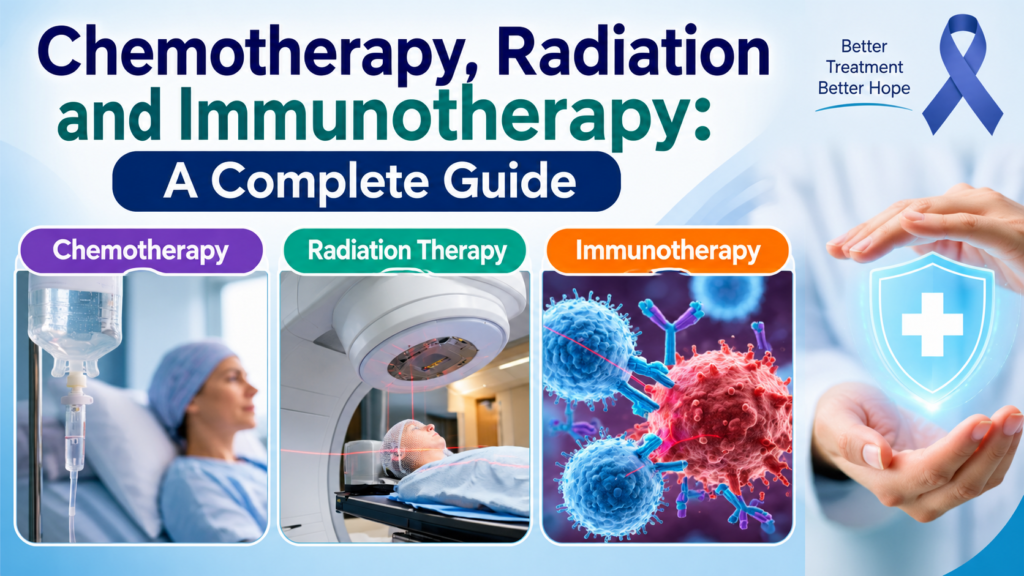
For locally advanced disease, radiation therapy and chemotherapy may be used together. Radiation can target cancerous cells in the pelvic region, while chemotherapy may help destroy rapidly growing cancer cells.
For advanced or recurrent disease, doctors may consider systemic treatments such as chemotherapy, targeted medicines, or immunotherapy. Treatment plans are individualized, and patients may receive more than one treatment approach.
Care During and After Treatment
Supportive care is an important part of treatment. Patients may experience fatigue, nausea, appetite changes, pain, emotional stress, or other side effects depending on the therapy they receive. Doctors can recommend appropriate medicines, nutritional support, physical activity, and other measures to help manage these effects.
Emotional and psychological support can also be valuable. Talking with family members, counselors, support groups, or healthcare professionals may help patients cope with the challenges of diagnosis and treatment.
After treatment, regular follow-up appointments are essential. Follow-up may include physical examinations, imaging tests, laboratory investigations, or other assessments when clinically appropriate. Patients should report new or persistent symptoms promptly.

Why Early Detection Matters
Early detection can make treatment more manageable and may improve outcomes. Screening helps identify abnormal changes before they become advanced disease, while timely investigation of symptoms can prevent delays in diagnosis.
Women should discuss their individual screening needs with a qualified healthcare professional rather than relying on a single general schedule. Age, vaccination status, previous screening results, and personal medical history can influence recommendations.
Maintaining regular healthcare appointments is therefore an important part of long-term women’s health. Prevention, screening, timely diagnosis, and appropriate treatment work together to reduce the impact of this condition.
Conclusion
Cervical cancer prevention begins with awareness, HPV vaccination, appropriate screening, and healthy lifestyle choices. Regular HPV screening can help identify high-risk infections, while timely evaluation of abnormal results can help detect cellular changes at an early stage. Appropriate abnormal pap smear treatment depends on the severity of the changes and should be guided by a qualified healthcare professional. Consulting a best oncologist in Faridabad can help patients understand their diagnosis, treatment options, and follow-up care.
When diagnosis occurs, treatment is selected according to the stage and individual circumstances and may involve surgery, radiation, chemotherapy, targeted therapy, or immunotherapy. Consistent follow-up and supportive care remain important throughout recovery. Dr. Novak Gupta encourages women to take unusual symptoms seriously and maintain recommended preventive healthcare appointments so that potential problems can be identified and managed as early as possible.