First Oncology Consultation: What Every Patient Should Know

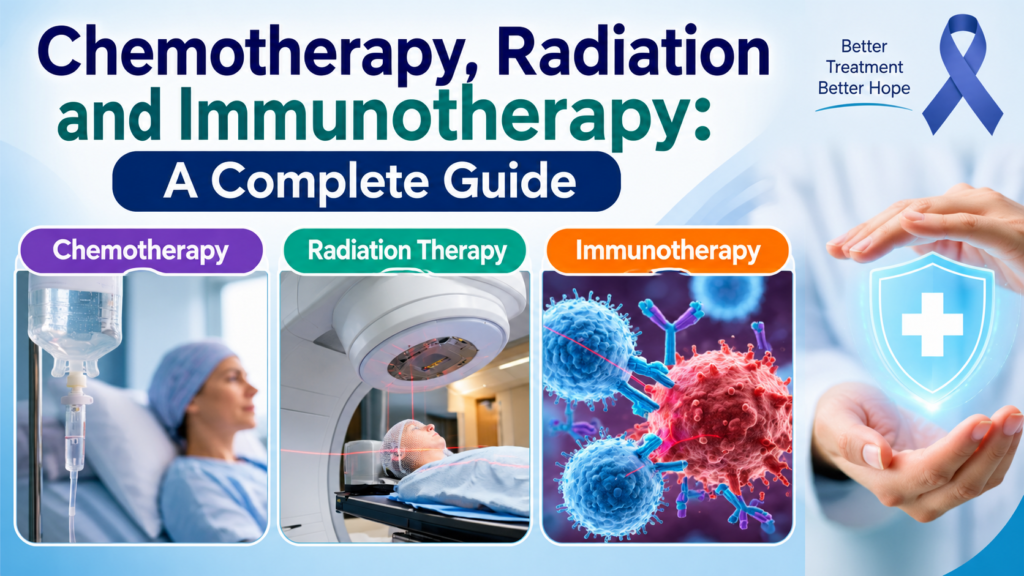
Chemotherapy, Radiation and Immunotherapy: A Complete Guide
October 13, 2026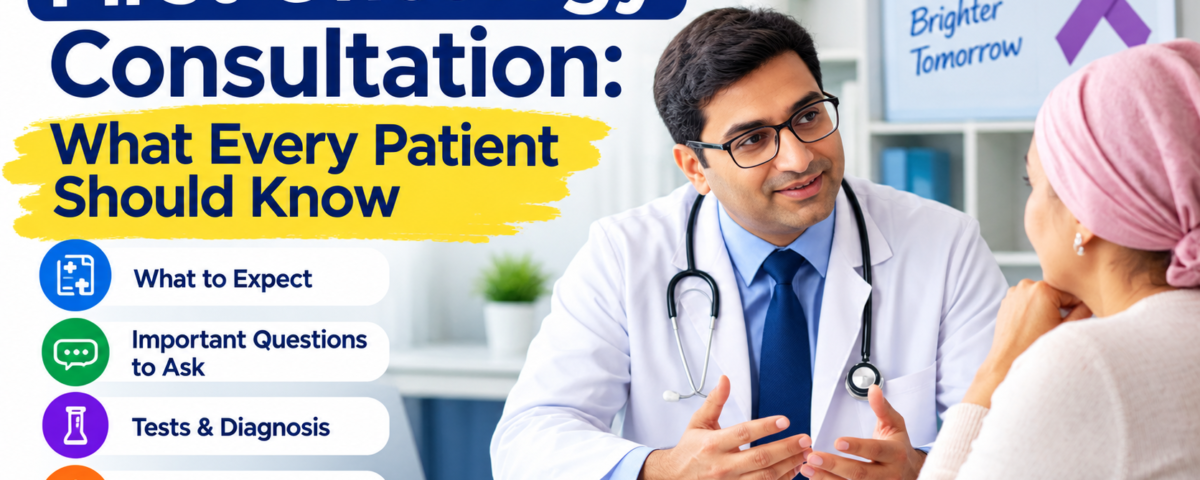
Receiving a referral to an oncologist can bring many questions, especially when someone is facing a possible or confirmed cancer diagnosis. Understanding what happens during a first oncology consultation can help patients feel more informed and prepared for their medical journey. This initial meeting allows the specialist to review medical history, understand symptoms, evaluate diagnostic reports, and discuss possible treatment approaches. Dr. Novak Gupta, a best oncologist in Faridabad, emphasizes the importance of patient awareness, clear communication, and personalized medical guidance when helping individuals understand their diagnosis and available treatment options.
An oncology consultation is not simply about discussing cancer treatment. It also provides an opportunity to understand the condition, clarify medical terminology, discuss concerns, and learn about the next steps. Patients may be asked about previous illnesses, family medical history, medications, and lifestyle habits. Bringing relevant medical documents and preparing important questions can make the appointment more productive and help patients participate confidently in decisions about their care.
Read More: Chemotherapy, Radiation and Immunotherapy: A Complete Guide
What Is a First Oncology Consultation?
A first oncology consultation is an initial meeting between a patient and an oncologist, a medical specialist involved in diagnosing and treating cancer. The purpose of this appointment is to evaluate the patient’s medical condition, review available diagnostic information, and determine whether further investigations or treatment planning are necessary.
During the consultation, the oncologist may discuss the type of cancer, its suspected or confirmed stage, and the available treatment approaches. If the diagnosis remains uncertain, additional examinations may be recommended.
The consultation also allows patients to discuss their concerns, understand medical recommendations, and establish communication with their healthcare team.
How to Prepare Before Your Oncology Appointment
Proper preparation can make the consultation more productive. Patients should collect relevant medical documents and organize their questions before visiting the specialist.
Preparing for an oncologist visit involves gathering information that helps the doctor understand the patient’s overall health and medical background.
Important documents to carry include:
- Previous medical records and prescriptions.
- Blood test reports and laboratory results.
- Biopsy and histopathology reports, if available.
- CT scans, MRI scans, PET scans, or ultrasound reports.
- A list of current medications and supplements.
- Details of previous surgeries or medical treatments.
- Information about relevant family medical history.
Patients may also consider bringing a trusted family member or friend for emotional support and assistance with remembering medical instructions.
Keeping a notebook can help record important recommendations during the appointment.
What Happens During Your First Oncology Consultation?
Every patient’s medical situation is different, but a first oncology consultation generally involves several important steps that help the oncologist understand the condition and recommend appropriate medical care.
1. Detailed Medical History Review
The oncologist usually begins by discussing the patient’s medical history. This may include questions about existing health conditions, previous treatments, family history of cancer, and current medications.
Patients should provide accurate information about symptoms, including when they started and whether they have changed over time.
2. Discussion About Current Symptoms
The specialist may ask about symptoms such as unexplained weight loss, persistent fatigue, unusual swelling, prolonged pain, or changes in appetite.
These questions help the doctor understand the patient’s health concerns and identify areas requiring further evaluation.
3. Physical Examination
Depending on the suspected cancer type, the oncologist may perform a physical examination.
This examination can involve checking lymph nodes, examining affected body areas, or assessing general physical health.
4. Reviewing Diagnostic Reports
The doctor carefully examines available laboratory tests, imaging results, and biopsy reports.
These findings help determine whether cancer has been confirmed, identify its characteristics, and establish whether additional investigations are required.
5. Discussion About Possible Next Steps
After reviewing the available information, the oncologist explains the findings and discusses the recommended next steps.
Not every patient receives a complete treatment plan during the initial visit. Sometimes additional testing or specialist consultations are necessary before making treatment decisions.

Which Tests May Be Recommended After the Consultation?
Depending on the patient’s medical condition, the oncologist may recommend additional investigations to clarify the diagnosis or determine the extent of the disease.
Commonly recommended investigations include:
| Diagnostic Test | Purpose |
|---|---|
| Blood Tests | Assess blood counts and organ function |
| Biopsy | Examine tissue for cancer cells |
| CT Scan | Provide detailed internal body images |
| MRI Scan | Evaluate specific organs and soft tissues |
| PET Scan | Assess metabolic activity and possible disease spread |
| Molecular Testing | Identify certain cancer-related genetic changes |
Not every patient requires all these tests. Recommendations depend on the suspected or confirmed cancer type, clinical findings, and previously completed investigations.
Understanding Cancer Diagnosis and Treatment Options
An important part of the first oncology consultation is understanding the diagnosis and discussing available treatment possibilities.
If cancer has been confirmed, the oncologist may explain its type, grade, and stage when sufficient diagnostic information is available.
Treatment recommendations depend on several factors, including the cancer type, disease stage, overall health, and individual medical requirements.
Common cancer treatment approaches include:
- Surgery: Removes cancerous tissue when clinically appropriate.
- Chemotherapy: Uses medicines to destroy cancer cells or control their growth.
- Radiation Therapy: Uses targeted high-energy radiation to treat cancer.
- Immunotherapy: Helps the immune system recognize and attack certain cancers.
- Targeted Therapy: Acts on specific molecular characteristics associated with cancer cells.
- Hormone Therapy: Helps manage certain hormone-sensitive cancers.
Some patients may require a combination of treatments. The oncologist explains the potential benefits, limitations, and possible side effects before recommending a suitable approach.
Important Questions to Ask Your Oncologist
A first oncology consultation provides an opportunity to ask questions and understand the medical recommendations clearly.
Patients may consider asking:
- What type of cancer do I have, or what diagnosis is suspected?
- Have all necessary diagnostic tests been completed?
- What is the stage of my condition, if known?
- Which treatment options are suitable for me?
- What are the possible side effects of treatment?
- How long might the recommended treatment continue?
- Will treatment affect my daily activities?
- Should I consider obtaining a second medical opinion?
Writing these questions beforehand can help patients remember important concerns during the appointment.
What Happens After the First Oncology Appointment?
After the first oncology appointment, patients may receive instructions regarding additional tests, follow-up consultations, or treatment planning.
The healthcare team may also provide information about medication, nutrition, symptom management, and supportive care.
Patients should carefully follow medical instructions and maintain copies of their reports for future consultations.
If any recommendation is unclear, asking the healthcare team for clarification can help prevent misunderstandings.

Tips for Managing Anxiety Before an Oncology Visit
Feeling anxious before a first oncology consultation is understandable. However, having reliable information and a clear understanding of the appointment process can help patients manage uncertainty.
Helpful approaches include maintaining a regular sleep routine, avoiding unreliable online medical information, discussing concerns with trusted individuals, and writing down important questions.
Preparing for an oncologist visit also means being mentally ready to discuss symptoms, medical history, and personal concerns openly.
Patients should remember that treatment decisions are generally based on careful medical evaluation rather than assumptions made during an initial appointment.
Conclusion
A first oncology consultation is an important step toward understanding a possible or confirmed cancer diagnosis and identifying appropriate medical care. Bringing relevant reports, asking meaningful questions, and communicating openly with the specialist can make the experience more informative and productive.
Dr. Novak Gupta focuses on helping patients understand their medical condition through detailed evaluation, clear communication, and individualized oncology guidance. Seeking timely specialist advice can support informed decision-making and help patients approach their cancer care journey with greater clarity.