Breast Cancer Risk Factors: What Every Woman Should Know

Radiation Therapy for Cancer: Process & Benefits
June 8, 2026
What Is Cancer? Understanding Causes, Types, and Early Signs
June 17, 2026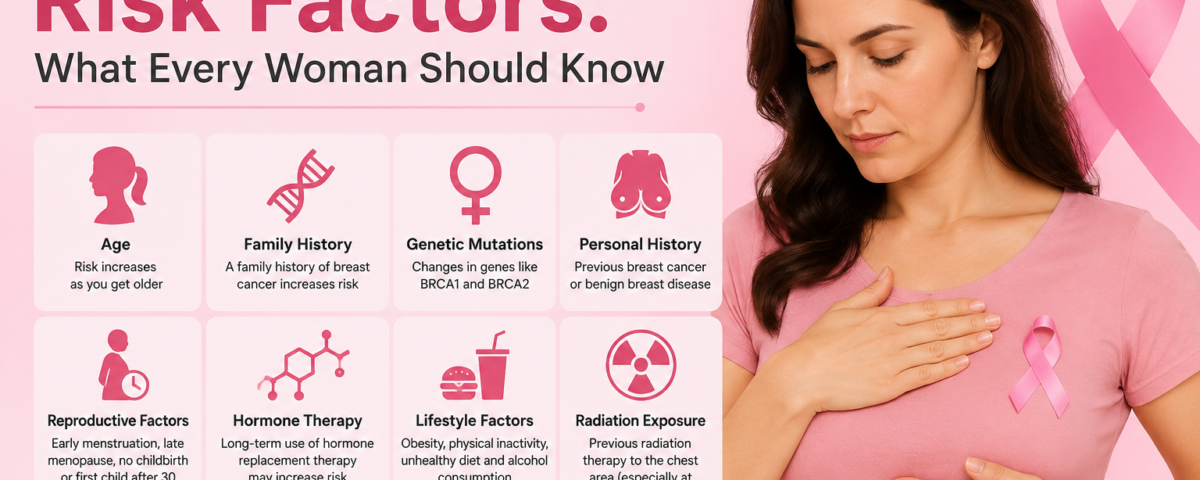
Breast cancer is one of the most common cancers affecting women around the world. While not every woman will develop it, understanding the risk factors can help with early awareness, timely screening, and better prevention. Many people think breast cancer only happens because of one cause, but in reality, it can develop due to a mix of age, family history, hormones, lifestyle choices, and other health conditions. Recognizing these factors can encourage women to seek timely medical advice and appropriate care. For those diagnosed with the condition, access to advanced breast cancer treatment in faridabad can play a vital role in ensuring accurate diagnosis, personalized treatment plans, and improved outcomes. Early detection combined with expert treatment remains one of the most effective ways to fight breast cancer and enhance quality of life.
Knowing the risk factors does not mean a woman will definitely get breast cancer. It simply means she may have a higher chance than others. The good news is that some risk factors cannot be changed, but others can be managed through healthy choices and regular medical checkups.
What Is a Risk Factor?
A risk factor is anything that increases the chance of developing a disease. In breast cancer, risk factors can be genetic, biological, environmental, or related to daily habits. Some women may have more than one risk factor, while others may have very few and still develop the disease.
It is important to remember that having one or even several risk factors does not guarantee that breast cancer will occur. It only means the need for greater attention to health, screening, and early detection.
Age and Breast Cancer Risk
Age is one of the strongest risk factors for breast cancer. The risk increases as women grow older, especially after the age of 50. Most breast cancer cases are diagnosed in women who have already gone through menopause.
This does not mean younger women are completely safe. Breast cancer can also affect women in their 20s, 30s, and 40s. However, the chances generally rise with age, which is why regular screening becomes more important as women get older.
Family History and Genetics
Family history plays an important role in breast cancer risk. Women who have close relatives such as a mother, sister, or daughter diagnosed with breast cancer may have a higher chance of developing it themselves.
A strong family history may suggest inherited gene changes, especially in genes such as BRCA1 and BRCA2. These genes normally help protect against cancer, but certain mutations can increase the risk of breast and ovarian cancers.
Important points to remember:
- A family history of breast cancer can increase risk
- Cancer in both breasts or at a young age in the family may be more concerning
- Men in the family with breast cancer can also be a warning sign
- Genetic counseling may be helpful for women with strong family histories
Personal History of Breast Conditions
Women who have had breast cancer before are at a higher risk of developing it again, either in the same breast or the other breast. Certain non-cancerous breast conditions can also increase risk, especially if they involve abnormal cell growth.
Some examples include:
- Atypical hyperplasia
- Lobular carcinoma in situ
- Dense breast tissue
Dense breast tissue is important because it can make breast cancer harder to detect on mammograms and may also be linked to a slightly higher risk.
Hormonal and Reproductive Factors
Hormones, especially estrogen, can affect breast cancer risk. A woman’s reproductive history can influence how long her body is exposed to estrogen and other hormones.
Factors that may increase risk include:
- Starting menstruation at an early age
- Going through menopause at a later age
- Having the first child after age 30
- Never having children
- Not breastfeeding
These factors do not mean breast cancer will definitely happen, but they may slightly raise the chance over time.
Lifestyle Choices That May Increase Risk
Daily habits can also influence breast cancer risk. Some lifestyle factors are linked with higher chances of developing the disease, especially when they are maintained over many years.
These include:
- Being overweight or obese, especially after menopause
- Lack of regular physical activity
- Drinking alcohol frequently
- Eating a diet high in processed and unhealthy foods
- Smoking or long-term tobacco use
Healthy lifestyle changes may not remove all risk, but they can help reduce it and improve overall health.
Hormone Therapy and Birth Control
Some women use hormone-based treatments for menopause symptoms or birth control. In certain cases, these may slightly affect breast cancer risk, depending on the type, duration, and personal health history.
For example, long-term combined hormone replacement therapy may raise the risk in some women. Birth control pills may also have a small effect for some users, though the risk often decreases after stopping them.
Women should discuss these choices with a doctor, especially if they already have other risk factors.
Radiation Exposure
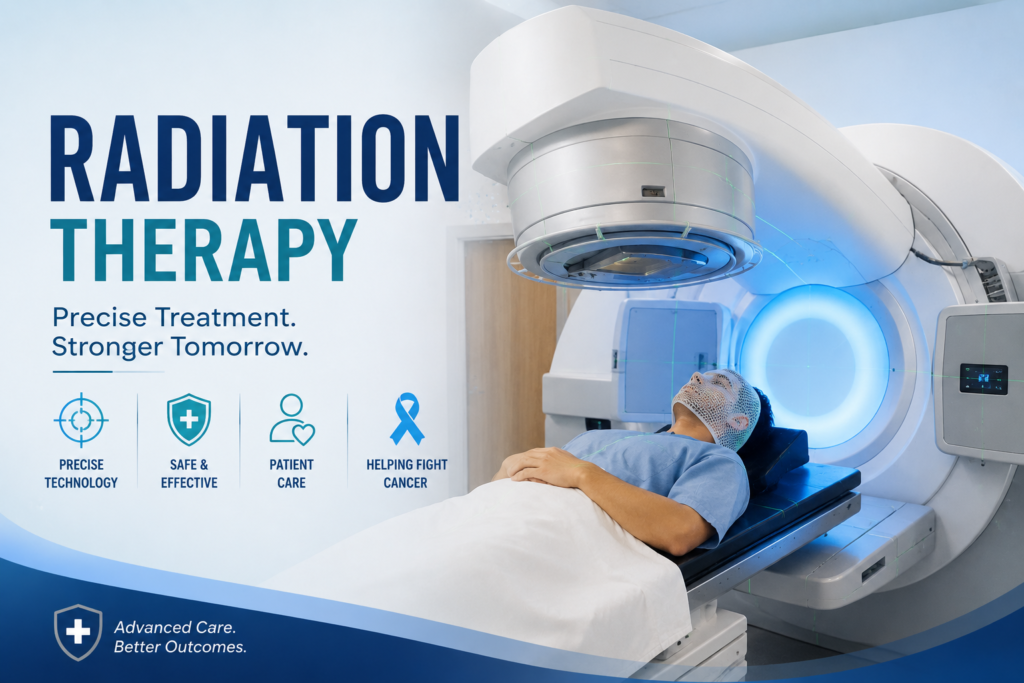
Women who have received radiation therapy to the chest area in the past, especially at a younger age, may have a higher risk of breast cancer later in life. This is more common in women treated for other conditions such as lymphoma.
The earlier the radiation exposure happened, the more important follow-up screening becomes.
Race and Ethnicity
Breast cancer can affect women of all races and ethnicities, but risk patterns and outcomes may differ. In some populations, women may be more likely to be diagnosed at a later stage or with more aggressive types of breast cancer.
This may be due to differences in access to screening, health awareness, genetics, and healthcare support. Regular screening and early consultation remain important for every woman.
Can Breast Cancer Be Prevented?
Not every case of breast cancer can be prevented, but the risk can often be lowered. Women cannot change their age or family history, but they can take steps to support long-term breast health.
Helpful steps include:
- Maintaining a healthy weight
- Exercising regularly
- Limiting alcohol intake
- Avoiding tobacco
- Eating a balanced diet
- Going for regular breast screenings
- Speaking to a doctor about personal risk
Awareness is one of the strongest tools in prevention. The earlier a risk is recognized, the sooner a woman can take action.
Why Early Detection Matters
Breast cancer is often more treatable when found early. That is why understanding risk factors should go hand in hand with regular self-awareness and medical screening. Women should be familiar with how their breasts normally look and feel so that any unusual changes can be noticed early.
Warning signs that should not be ignored include:
- A new lump in the breast or underarm
- Changes in breast size or shape
- Skin dimpling or redness
- Nipple discharge that is unusual
- Pain that does not go away
- Nipple inversion or changes in the nipple area
These symptoms do not always mean cancer, but they should be checked by a healthcare professional.
The Bottom Line
Breast cancer risk factors are not always controllable, but understanding them helps women make informed choices. Age, family history, genetics, hormones, and lifestyle all play a role. Some risk factors can be managed, and others can be monitored with screening and medical advice.
Every woman should know her personal risk, stay alert to changes in her body, and speak with a doctor about the right screening schedule. Awareness, prevention, and early detection can make a major difference in breast cancer care and outcomes.

Final Thoughts
Breast cancer awareness is not only about fear or worry. It is about knowledge, action, and self-care. When women understand the risk factors, they are better prepared to protect their health. Regular checkups, healthy habits, and timely screening can all help in reducing danger and improving peace of mind. For women who require specialized care, consulting the best oncologist in faridabad can make a significant difference in diagnosis, treatment planning, and overall outcomes. With expert guidance, advanced treatment options, and ongoing support, patients can navigate their breast cancer journey with greater confidence and hope for a healthier future.