Pancreatic Cancer Treatment: Everything You Need to Know

Skin Cancer Treatment in Faridabad: Important Things to Know
July 28, 2026
Which Cancers Can Be Treated with Immunotherapy? A Complete Guide
August 3, 2026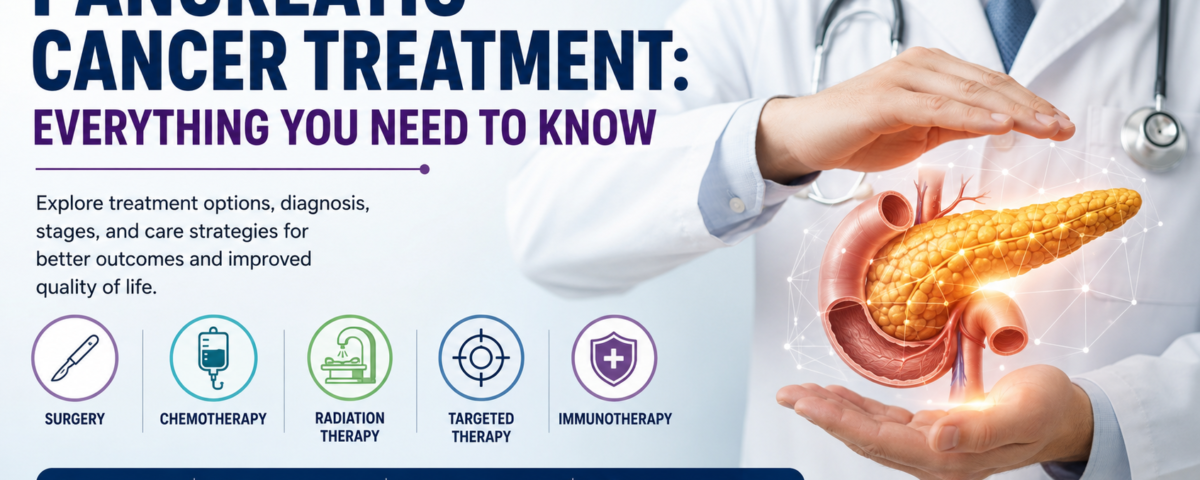
Introduction
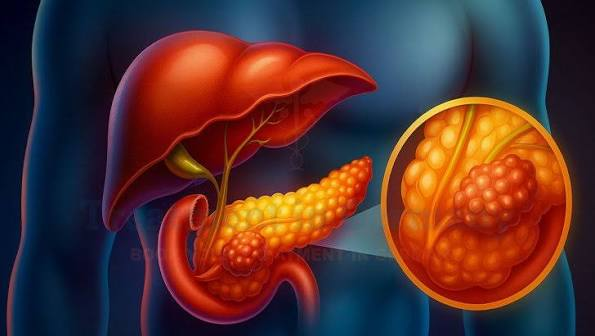
Pancreatic cancer is one of the most challenging types of cancer because it often develops without noticeable symptoms in its early stages. The pancreatic cancer treatment in faridabad is a vital organ located behind the stomach that helps with digestion and regulates blood sugar levels by producing insulin. When cancer develops in the pancreas, it can interfere with these essential functions and may spread to nearby organs if left untreated.
Although pancreatic cancer is considered a serious disease, advances in medical technology, early diagnosis, and modern treatment methods have significantly improved the care available to patients. The treatment plan depends on several factors, including the stage of cancer, the patient’s overall health, the size and location of the tumour, and whether the cancer has spread.
This guide explains everything you need to know about pancreatic cancer treatment, including available options, recovery, and ways to improve quality of life.
READ MORE : Skin Cancer Treatment in Faridabad: Important Things to Know
What Is Pancreatic Cancer?
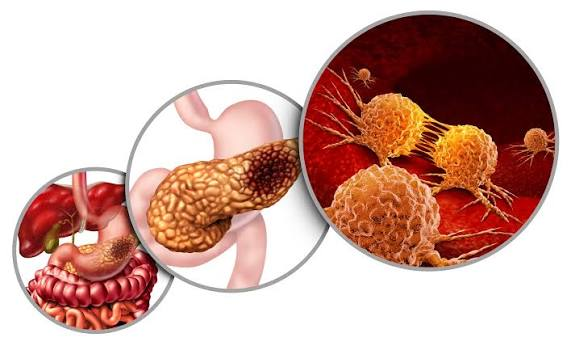
Pancreatic cancer occurs when abnormal cells begin to grow uncontrollably in the pancreas. The most common type is pancreatic ductal adenocarcinoma, which starts in the ducts that carry digestive enzymes. Less commonly, neuroendocrine tumours develop from hormone-producing cells within the pancreas.
Because early pancreatic cancer often causes few or no symptoms, many cases are diagnosed at an advanced stage. However, recognising warning signs and seeking medical evaluation promptly can improve treatment outcomes.
Common Symptoms
Symptoms may vary from person to person, but common signs include:
- Persistent abdominal pain that may spread to the back
- Unexplained weight loss
- Loss of appetite
- Yellowing of the skin and eyes (jaundice)
- Dark urine
- Pale stools
- Fatigue
- Nausea and vomiting
- New-onset diabetes or worsening blood sugar control
These symptoms do not always indicate pancreatic cancer, but they should be evaluated by a healthcare professional.
How Is Pancreatic Cancer Diagnosed?
Accurate diagnosis is the first step in creating an effective treatment plan. Doctors may recommend several tests to confirm the disease and determine its stage.
Diagnostic methods include:
- Physical examination and medical history
- Blood tests
- CT scan
- MRI scan
- Endoscopic ultrasound (EUS)
- PET scan in selected cases
- Biopsy to confirm the diagnosis
After diagnosis, the cancer is staged to determine whether it is confined to the pancreas, has spread to nearby tissues, or has reached distant organs.
Treatment Options for Pancreatic Cancer
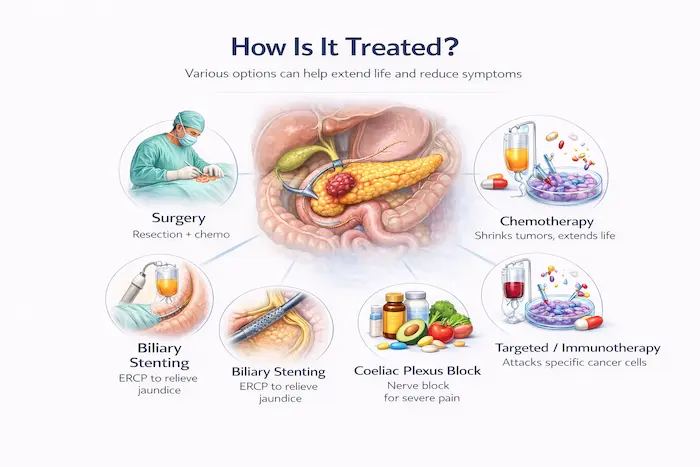
Treatment depends on the stage of cancer and the patient’s overall condition. In many cases, more than one treatment method is used together for the best possible outcome.
1. Surgery
Surgery offers the best chance of long-term survival when the cancer is detected early and remains confined to the pancreas.
Common surgical procedures include:
Whipple Procedure (Pancreaticoduodenectomy)
This is the most common surgery for cancers located in the head of the pancreas. It involves removing the head of the pancreas along with portions of the small intestine, bile duct, gallbladder, and sometimes part of the stomach.
Distal Pancreatectomy
This procedure removes the body and tail of the pancreas and may also involve removing the spleen.
Total Pancreatectomy
In some situations, the entire pancreas must be removed. Patients who undergo this procedure require lifelong insulin therapy and enzyme replacement.
Recovery after pancreatic surgery may take several weeks, and regular follow-up care is essential.
2. Chemotherapy
Chemotherapy uses anti-cancer medicines to destroy rapidly growing cancer cells.
It may be recommended:
- Before surgery to shrink the tumour
- After surgery to reduce the risk of recurrence
- As the main treatment for advanced pancreatic cancer
Chemotherapy is usually given in cycles, allowing the body time to recover between treatments.
Possible side effects include:
- Fatigue
- Hair thinning
- Nausea
- Loss of appetite
- Increased risk of infection
- Mouth sores
Doctors provide supportive medications to help manage these side effects.
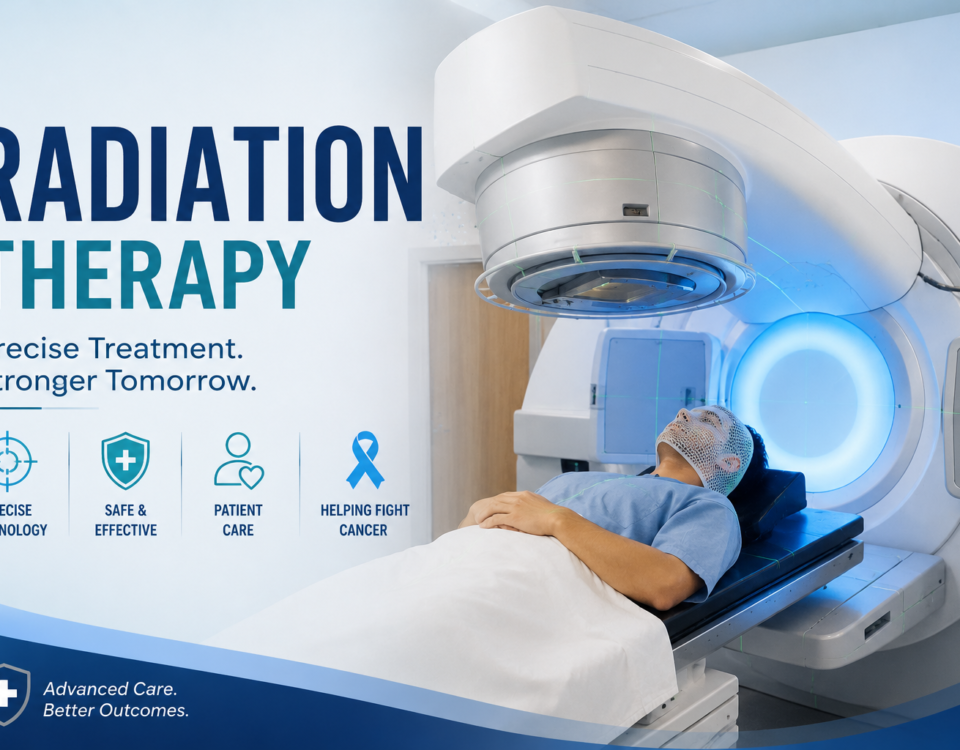
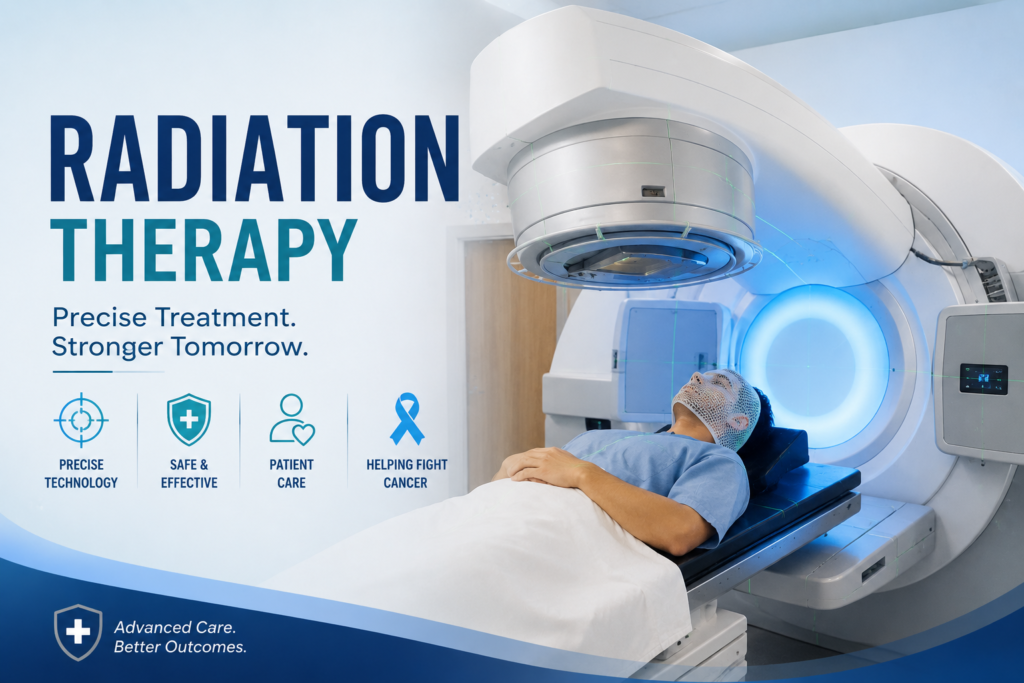
3. Radiation Therapy
Radiation therapy uses high-energy rays to target and destroy cancer cells.
It may be used:
- Before surgery
- After surgery
- Along with chemotherapy
- To relieve pain and other symptoms in advanced cancer
Modern radiation techniques allow doctors to deliver precise treatment while minimising damage to surrounding healthy tissues.
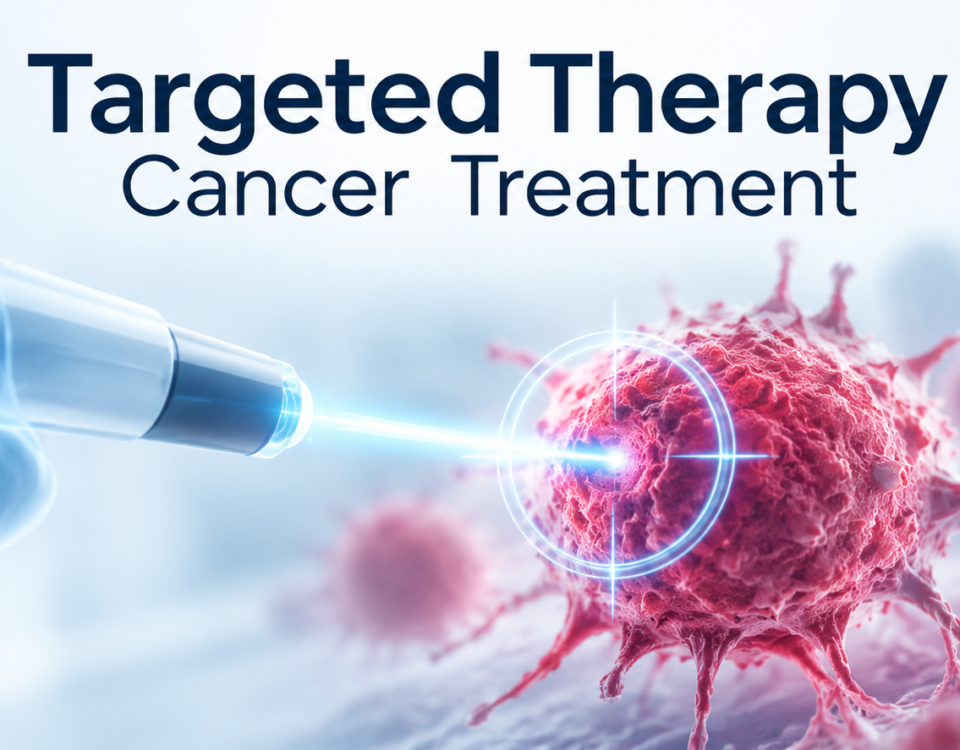
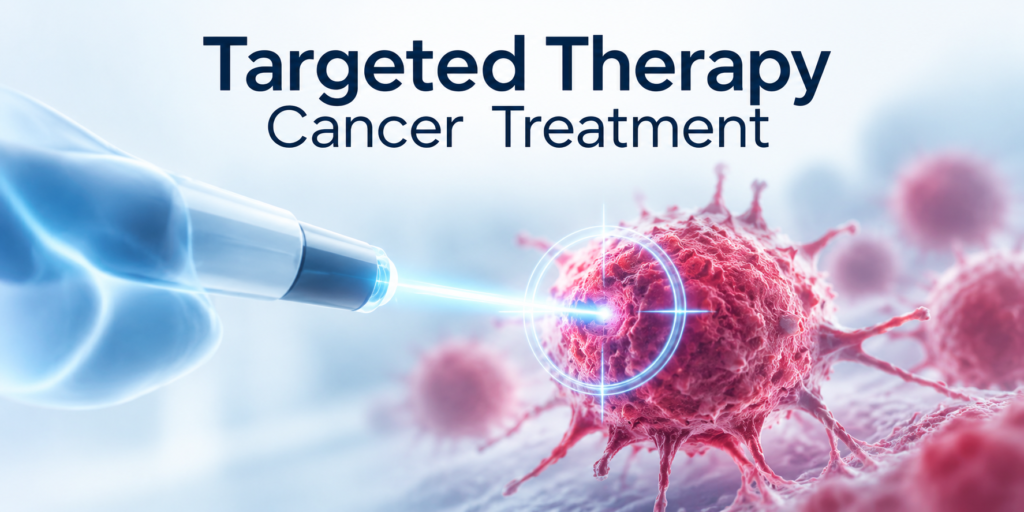
4. Targeted Therapy
Targeted therapy focuses on specific genetic changes or proteins that help cancer cells grow.
Unlike traditional chemotherapy, targeted medicines work on particular molecular pathways, making treatment more precise for eligible patients.
Genetic testing may be recommended to determine whether targeted therapy is appropriate.
5. Immunotherapy
Immunotherapy helps the body’s immune system recognise and attack cancer cells.
Although immunotherapy is not suitable for every pancreatic cancer patient, it may be beneficial in selected cases with specific genetic characteristics.
Ongoing research continues to improve its effectiveness and expand treatment options.
Treatment Based on Cancer Stage
Localised Pancreatic Cancer
If the cancer is limited to the pancreas, surgery followed by chemotherapy is often the preferred treatment.
Locally Advanced Pancreatic Cancer
When the cancer has spread to nearby blood vessels but not distant organs, chemotherapy and radiation may help shrink the tumour before surgery is considered.
Metastatic Pancreatic Cancer
If the cancer has spread to other organs such as the liver or lungs, treatment focuses on slowing disease progression, relieving symptoms, and improving quality of life through chemotherapy, targeted therapy, and supportive care.
Managing Side Effects
Cancer treatment affects each person differently.
Common side effects may include:
- Weakness
- Digestive problems
- Weight loss
- Pain
- Emotional stress
- Difficulty eating
Doctors, nutritionists, and rehabilitation specialists work together to help patients maintain strength, manage symptoms, and recover more comfortably.
Nutrition During Treatment
Good nutrition plays an important role in supporting recovery and improving energy levels.
Helpful dietary recommendations include:
- Eat small, frequent meals
- Include protein-rich foods
- Stay well hydrated
- Limit highly processed foods
- Take prescribed pancreatic enzyme supplements if needed
- Consult a dietitian for personalised nutritional advice
Proper nutrition can help patients tolerate treatment better and maintain body weight.
Follow-Up Care
Regular follow-up appointments are important after treatment.
Doctors monitor:
- Recovery after surgery
- Response to chemotherapy or radiation
- Possible recurrence
- Nutritional status
- Blood sugar control
- Overall health
Follow-up may include blood tests, imaging scans, and physical examinations at scheduled intervals.
Living With Pancreatic Cancer
A pancreatic cancer diagnosis can be emotionally and physically challenging. Support from family members, healthcare professionals, counsellors, and patient support groups can make a significant difference.
Maintaining physical activity as tolerated, following medical advice, eating a balanced diet, and attending regular check-ups can contribute to a better quality of life during and after treatment.
Each patient’s journey is unique, and treatment plans should always be tailored to individual needs.
Conclusion
Pancreatic cancer treatment has advanced considerably over the years, offering patients more options than ever before. Depending on the stage of the disease, treatment may include surgery, chemotherapy, radiation therapy, targeted therapy, or immunotherapy. In many cases, a combination of these treatments provides the best results.
Early diagnosis, personalised treatment planning, proper nutrition, and ongoing follow-up care all play important roles in improving outcomes. Working closely with an experienced multidisciplinary medical team ensures that patients receive comprehensive care focused on both effective treatment and quality of life. If you are looking for a cancer treatment hospital in faridabad, choosing a healthcare facility with experienced oncologists, advanced diagnostic services, and personalised treatment plans can make a significant difference in patient care. While pancreatic cancer remains a complex condition, modern medical advances continue to provide hope through improved therapies, better symptom management, and more personalised approaches to care.