Which Cancers Can Be Treated with Immunotherapy? A Complete Guide

Pancreatic Cancer Treatment: Everything You Need to Know
July 29, 2026
How Does Targeted Therapy Work in Cancer Treatment?
August 6, 2026
Cancer treatment has changed dramatically over the last decade, and one of the biggest medical breakthroughs has been Immunotherapy. Unlike traditional Cancer Treatment methods such as chemotherapy or radiation, which directly attack cancer cells, Immunotherapy works by strengthening the body’s own immune system to recognize and destroy cancer. This innovative form of Cancer Treatment has provided new hope for many patients, particularly those with advanced or difficult-to-treat cancers. As research continues to advance, immunotherapy cancer treatment is becoming an increasingly important part of modern Cancer Treatment, offering improved outcomes and better quality of life for many individuals.
During the monsoon season, people often become more health-conscious due to seasonal infections, changing weather, and routine health check-ups. While monsoon itself does not cause cancer, it is an ideal time to focus on preventive healthcare, early diagnosis, and learning about advanced treatment options such as immunotherapy. Understanding which cancers respond to immunotherapy can help patients and families make informed treatment decisions.
READ MORE : Pancreatic Cancer Treatment: Everything You Need to Know
In this complete guide, we’ll explore how immunotherapy works, the types of cancers it can treat, its benefits, possible side effects, and when it may be recommended.
What Is Immunotherapy?
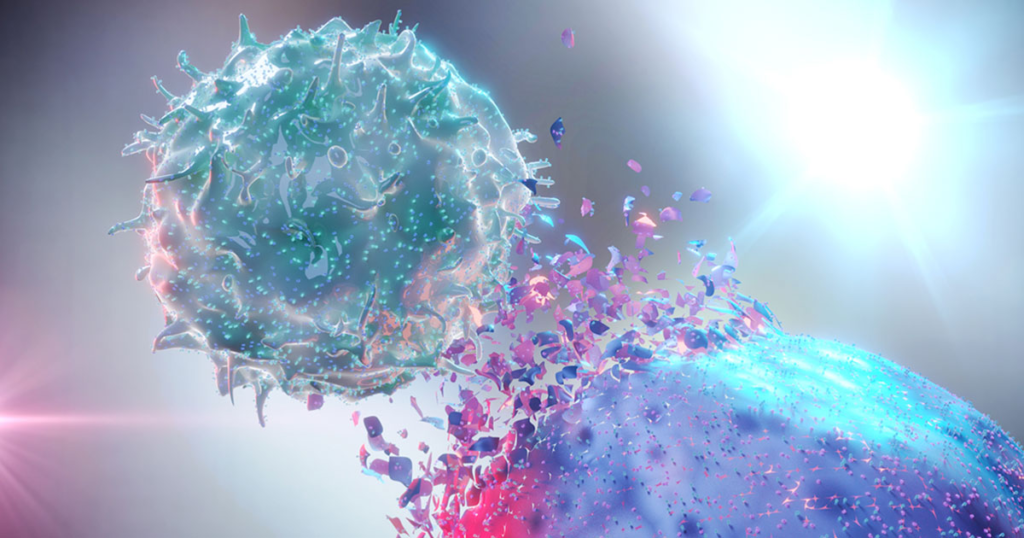
Immunotherapy is a type of cancer treatment that strengthens or modifies the immune system so it can identify and attack cancer cells more effectively. Normally, the immune system protects the body from infections and abnormal cells. However, cancer cells often develop ways to hide from immune defenses.
Immunotherapy removes these barriers, allowing immune cells to detect and destroy cancer more efficiently. Depending on the type of cancer and the patient’s condition, immunotherapy may be used alone or combined with surgery, chemotherapy, radiation therapy, or targeted therapy.
Why Is Immunotherapy Important?
Traditional cancer treatments remain highly effective for many cancers, but they may not always provide long-term control in advanced cases. Immunotherapy has introduced a different approach by targeting the immune system rather than directly attacking the tumor.
Some advantages include:
- Long-lasting response in selected patients
- Improved survival rates for several advanced cancers
- Better quality of life in many cases
- Ability to treat cancers that previously had limited treatment options
- Potential for combination with other therapies
Not every patient is suitable for immunotherapy, and treatment decisions should always be personalized by an experienced oncology team.
Which Cancers Can Be Treated with Immunotherapy?
1. Melanoma (Skin Cancer)
Melanoma was among the first cancers where immunotherapy showed remarkable success. Advanced melanoma patients have experienced significantly improved survival with immune checkpoint inhibitors.
Immunotherapy may be recommended after surgery or for metastatic melanoma that has spread to other organs.
2. Lung Cancer
Both Non-Small Cell Lung Cancer (NSCLC) and Small Cell Lung Cancer (SCLC) may benefit from immunotherapy in selected patients.
Doctors may recommend immunotherapy:
- Before surgery
- After surgery
- Along with chemotherapy
- As the primary treatment for advanced disease
Many lung cancer patients now receive immunotherapy as part of their standard treatment plan.
3. Kidney Cancer
Advanced kidney cancer often responds well to immunotherapy. Modern treatment protocols frequently combine immunotherapy with targeted medications, improving overall survival and disease control.
Patients with metastatic kidney cancer may especially benefit from these newer treatment strategies.
4. Bladder Cancer
Bladder cancer is another condition where immunotherapy has become an important treatment option.
It may be used:
- After surgery
- For recurrent disease
- For advanced bladder cancer
- When chemotherapy is not suitable
5. Head and Neck Cancer
Patients with advanced cancers affecting the mouth, throat, tongue, or voice box may receive immunotherapy when surgery or chemotherapy alone is insufficient.
It can help slow disease progression and improve overall outcomes.
6. Liver Cancer
Liver cancer treatment has improved significantly with newer immunotherapy combinations. Patients with advanced liver cancer who are not candidates for surgery may receive immunotherapy along with other medications.
7. Colorectal Cancer
Not every colorectal cancer responds to immunotherapy. However, patients whose tumors have specific genetic features, such as high microsatellite instability (MSI-H) or mismatch repair deficiency (dMMR), often experience excellent results.
Genetic testing helps determine whether immunotherapy is likely to be beneficial.
Certain types of breast cancer, particularly Triple-Negative Breast Cancer (TNBC), may respond to immunotherapy.
8. Breast Cancer
Doctors often combine immunotherapy with chemotherapy to achieve better treatment outcomes.
9. Cervical Cancer
Advanced or recurrent cervical cancer may be treated with immunotherapy in selected patients, especially when the tumor expresses specific biomarkers.
10. Esophageal Cancer
Some patients with advanced esophageal cancer may benefit from immunotherapy, particularly when combined with chemotherapy before or after surgery.
How Does Immunotherapy Work?
There are several different forms of immunotherapy.
Immune Checkpoint Inhibitors
Cancer cells often switch off immune cells using proteins called checkpoints. Checkpoint inhibitors block these signals, allowing immune cells to attack cancer.
CAR T-Cell Therapy
Doctors collect the patient’s T-cells, modify them in a laboratory, and return them to the body so they can better recognize cancer cells.
This treatment is mainly used for certain blood cancers.
Cancer Vaccines
Unlike preventive vaccines, cancer vaccines help stimulate the immune system to fight existing cancer cells.
Monoclonal Antibodies
These specially designed antibodies attach to cancer cells and help the immune system destroy them.

Who Is Eligible for Immunotherapy?
Not every cancer patient can receive immunotherapy.
Doctors evaluate several factors, including:
- Type of cancer
- Stage of disease
- Overall health
- Previous treatments
- Tumor biomarkers
- Genetic mutations
- Organ function
- Immune system condition
Various laboratory and molecular tests help determine whether immunotherapy is likely to be effective.
Benefits of Immunotherapy
Immunotherapy offers several potential benefits compared to conventional treatments.
These include:
- More targeted treatment
- Long-term cancer control in selected patients
- Reduced damage to healthy tissues
- Better tolerance for many patients
- Improved survival for several advanced cancers
- Combination treatment possibilities
However, every patient’s response is different, and results cannot be guaranteed.
Possible Side Effects
Although immunotherapy is generally better tolerated than chemotherapy, it can still cause side effects because it activates the immune system.
Common side effects include:
- Fatigue
- Fever
- Skin rash
- Joint pain
- Diarrhea
- Thyroid problems
- Loss of appetite
- Shortness of breath
In rare situations, the immune system may attack healthy organs such as the lungs, liver, kidneys, or intestines. Early reporting of symptoms allows doctors to manage these complications effectively.
Monsoon Care Tips During Cancer Treatment
The rainy season requires additional precautions for patients undergoing cancer treatment, including immunotherapy.
Helpful monsoon care tips include:
- Drink clean, filtered, or boiled water.
- Eat freshly prepared meals and avoid stale food.
- Wash fruits and vegetables thoroughly.
- Avoid crowded places during heavy viral outbreaks.
- Maintain good hand hygiene.
- Wear waterproof footwear to reduce fungal infections.
- Stay physically active with light indoor exercise.
- Attend scheduled hospital appointments despite seasonal weather.
- Monitor for fever, cough, or infections and report symptoms promptly.
- Keep medications stored in a cool, dry place to protect them from excess moisture.
Maintaining proper nutrition and preventing infections during the monsoon can help patients continue treatment more comfortably and safely.
When Should You Talk to an Oncologist?
If you or a loved one has recently been diagnosed with cancer, it is worth discussing whether immunotherapy may be an option. Not every cancer requires immunotherapy, but advances in personalized medicine now allow doctors to select treatments based on the unique biology of each tumor.
Patients should never start or delay treatment without consulting an experienced cancer specialist.
For individuals seeking expert guidance regarding advanced cancer care, DR Novak Gupta Faridabad can help evaluate whether immunotherapy is suitable based on cancer type, stage, molecular testing, and overall health. A personalized treatment plan ensures that every patient receives the most appropriate care according to current medical practices.
Conclusion
Immunotherapy has transformed cancer treatment by enabling the body’s own immune system to recognize and fight cancer more effectively. It is now used to treat several cancers, including melanoma, lung cancer, kidney cancer, bladder cancer, liver cancer, colorectal cancer with specific genetic features, breast cancer, cervical cancer, head and neck cancers, and many blood cancers. If you are considering Immunotherapy as part of your treatment plan, consulting an experienced oncologist in faridabad can help determine whether this advanced therapy is suitable for your specific cancer type, stage, and overall health, ensuring a personalized and effective approach to cancer care.
Although immunotherapy is not suitable for every patient, ongoing research continues to expand its role across different cancer types. During the monsoon season, maintaining good hygiene, preventing infections, eating nutritious food, and keeping regular medical appointments become even more important for patients receiving cancer treatment.
If you are exploring modern treatment options, consult an experienced oncology specialist such as DR Novak Gupta Faridabad to understand whether immunotherapy may be part of your personalized cancer treatment plan. Early diagnosis, appropriate treatment selection, and regular follow-up remain the foundation of achieving the best possible outcomes.