Cancer Pain Management: When Should You Seek Medical Help?

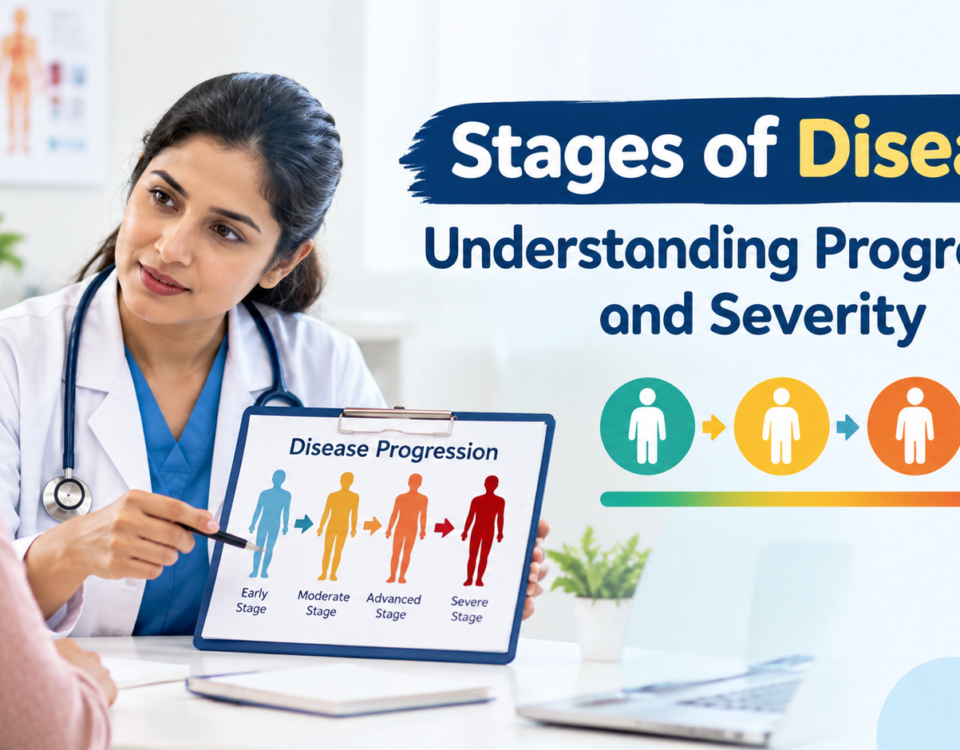
Stages of Disease: Understanding Progression and Severity
September 25, 2026
Life After Cancer Treatment: Follow-Up Care and Recovery
October 3, 2026
Cancer pain can affect daily life, sleep, movement, appetite, and emotional well-being, but persistent or worsening pain should not simply be accepted as part of cancer. Cancer Pain Management focuses on understanding the source, intensity, pattern, and impact of pain so that appropriate relief can be planned. Patients looking for comprehensive cancer care may also consider a best cancer treatment hospital in Faridabad for timely evaluation, diagnosis, and treatment support. Pain may result from the tumor itself, treatment such as surgery, chemotherapy, radiotherapy, or procedures, or other conditions unrelated to cancer. Some people experience mild discomfort, while others may have severe, persistent, or breakthrough pain.
Knowing when to seek medical help is important because early assessment can identify treatable causes and reduce unnecessary suffering. Dr. Novak Gupta can help patients discuss new or changing pain, understand available treatment approaches, and recognize symptoms that need prompt attention.Patients should describe where the pain occurs, how long it lasts, what makes it better or worse, and whether it affects normal activities. Keeping a pain record can also help the healthcare team adjust care more effectively.
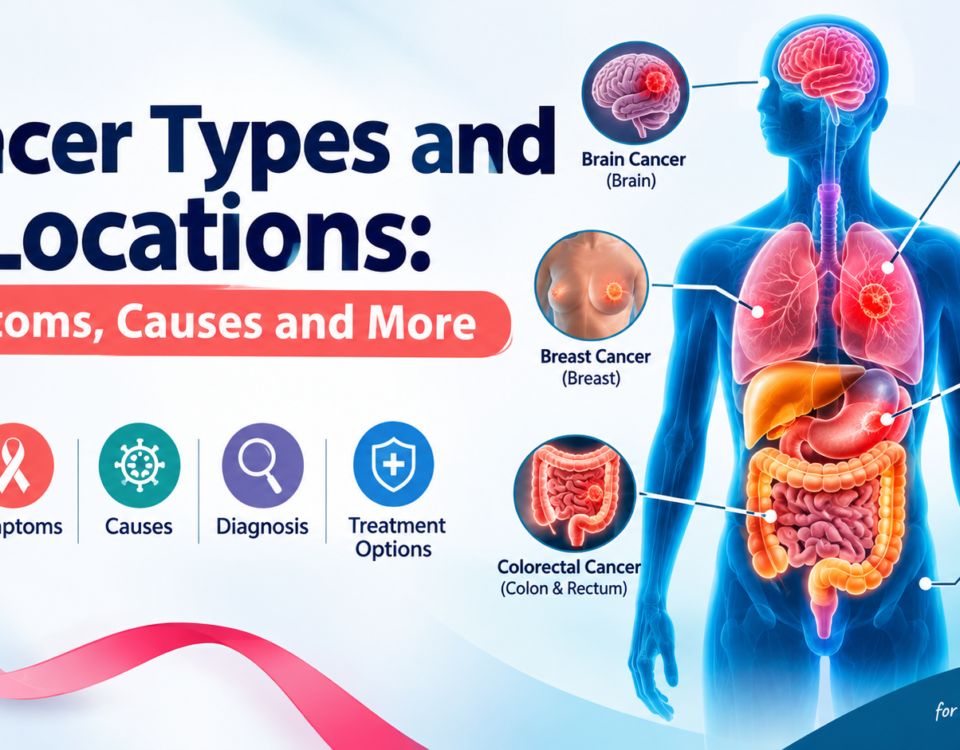
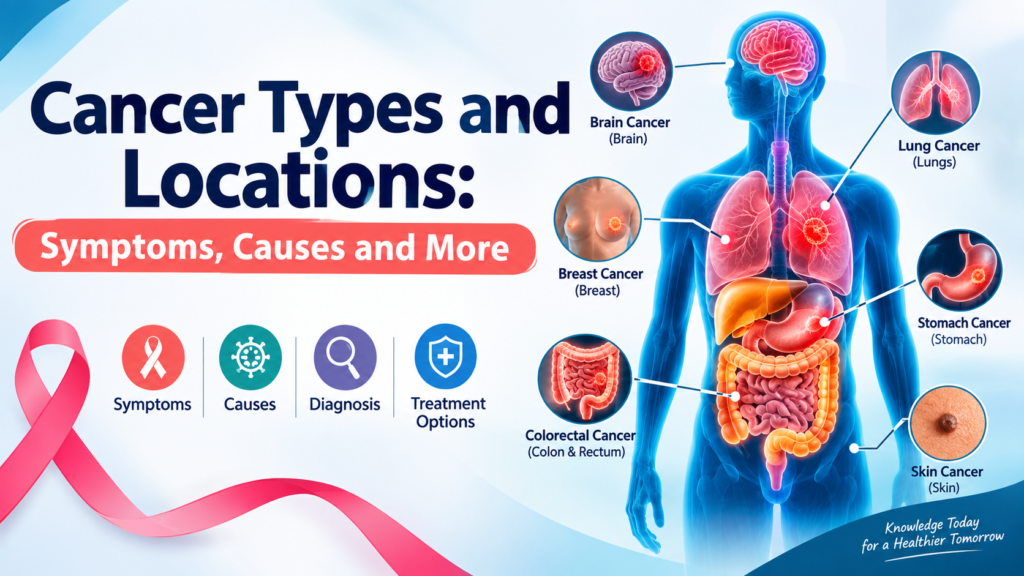
Read More:Cancer Types and Locations: Symptoms, Causes and More
What Is Cancer Pain Management?
Cancer Pain Management involves assessing pain and choosing suitable strategies to control it while supporting the patient’s comfort and daily functioning. Pain can be acute, meaning it develops suddenly and usually lasts for a limited period, or chronic, meaning it continues or returns over a longer time.
Cancer pain may be caused by the tumor pressing on bones, nerves, or organs. It can also occur because of inflammation, infection, surgery, radiation treatment, chemotherapy-related nerve problems, or other treatment effects. In some cases, pain may come from a health issue that is not directly related to cancer.
A healthcare professional may assess the location, severity, timing, quality, and triggers of pain. Patients may be asked to rate pain on a scale and explain whether it feels burning, aching, sharp, throbbing, or shooting. This information can help the care team identify possible causes and develop an individualized plan.
When Should You Seek Help for Cancer Pain Management?
You should contact your cancer care team when pain is new, persistent, worsening, or interfering with everyday activities. Do not wait until pain becomes severe before discussing it. Early communication can help healthcare professionals identify the cause and modify treatment when appropriate.
Seek medical advice if pain:
- Continues despite the treatment plan you have been given.
- Becomes stronger, more frequent, or changes in character.
- Prevents you from sleeping, walking, eating, working, or completing normal activities.
- Appears suddenly without an obvious explanation.
- Is accompanied by swelling, redness, fever, vomiting, weakness, or other new symptoms.
- Causes significant distress, anxiety, or difficulty coping.
- Develops after surgery, chemotherapy, radiation, or another cancer treatment.
Some symptoms require urgent medical attention. Severe sudden pain, chest pain, difficulty breathing, new confusion, fainting, severe weakness, uncontrolled bleeding, or new loss of bladder or bowel control should be assessed promptly. The appropriate response depends on the patient’s cancer type, treatment history, and overall condition.

Common Approaches to Cancer Pain Relief
Cancer Pain Relief depends on the cause and severity of discomfort. A doctor may recommend medicines, physical approaches, treatment of the underlying cause, or a combination of strategies.
Pain medicines can include non-opioid medicines, anti-inflammatory medicines when appropriate, or opioid medicines for moderate to severe pain. Certain patients may also benefit from medicines used for nerve-related pain. The choice depends on the person’s medical history, other medicines, kidney or liver function, cancer treatment, and type of pain.
In selected situations, treating the underlying cancer can reduce pain. Surgery, radiation therapy, systemic cancer treatment, or other procedures may be considered when medically appropriate. Supportive measures such as physical therapy, relaxation techniques, positioning, gentle activity, heat or cold when advised, and emotional support may also contribute to comfort.
Patients should take pain medicines exactly as prescribed and should not increase, stop, or combine medicines without discussing the change with their healthcare team.
Managing Cancer Pain at Home
Managing Cancer Pain often involves more than taking medicine. Keeping track of pain can help identify patterns and provide useful information during appointments. Record the time pain starts, its intensity, location, duration, possible triggers, medicines taken, and how well the treatment works.
Good sleep routines, appropriate movement, adequate nutrition, hydration, and emotional support may help patients cope with discomfort. Activities should be adjusted according to the person’s condition and medical advice. Gentle breathing or relaxation exercises can be useful for some people, particularly when stress makes pain feel more difficult to handle.
Family members and caregivers can also support patients by noticing changes and helping communicate concerns. If pain begins to affect eating, sleeping, mobility, or mood, it is important to tell the healthcare team rather than trying to manage the problem alone.
Why Pain Should Not Be Ignored
Pain can affect more than physical comfort. Persistent discomfort may contribute to poor sleep, reduced activity, fatigue, loss of appetite, anxiety, low mood, and difficulty maintaining normal routines. It may also make it harder for some patients to participate in rehabilitation or other aspects of their care.
Not every pain means that cancer is progressing. Pain can have many causes, including treatment-related effects or unrelated health problems. For this reason, a new symptom should be evaluated rather than interpreted on its own.
Healthcare professionals can review changes in symptoms and determine whether additional examination, imaging, laboratory tests, medicine adjustments, or other interventions are needed. Patients should feel comfortable reporting pain even when they believe it is expected.
Questions to Discuss With Your Cancer Care Team
When discussing pain, consider asking:
- What could be causing this pain?
- Could my current treatment be contributing to it?
- What treatment options are available?
- How quickly should I expect improvement?
- What side effects should I watch for?
- What should I do if the medicine does not control the pain?
- Which symptoms mean I should seek urgent medical care?
- Are there supportive or non-medication approaches that may help?
A clear conversation can help patients understand their options and know when to contact their healthcare team.
There is no need to wait for pain to become unbearable before asking for help. Pain that is changing, persistent, or affecting daily life deserves attention. A professional assessment can help distinguish between cancer-related pain, treatment effects, and other medical causes.
For people receiving cancer care, Cancer Pain Management should be considered part of overall supportive care. A personalized approach can focus not only on reducing pain intensity but also on improving sleep, mobility, independence, and quality of life.
.

Cancer Pain Management and Ongoing Support
Effective Cancer Pain Management requires regular communication between patients and their healthcare team. Pain can change during different stages of cancer treatment, so a plan that works at one point may need adjustment later.
Patients should report new symptoms, changes in pain intensity, medicine side effects, or reduced ability to perform everyday activities. Consistent follow-up allows healthcare professionals to review the treatment approach and provide appropriate support.
Conclusion
Cancer Pain Management is an important part of comprehensive cancer care. New, persistent, severe, or changing pain should be discussed with a healthcare professional, especially when it interferes with sleep, movement, eating, or daily activities. Early assessment may help identify the cause and allow the treatment plan to be adjusted when appropriate. Patients should also seek urgent attention for severe or sudden symptoms such as difficulty breathing, fainting, confusion, uncontrolled bleeding, or new loss of bladder or bowel control. Dr. Novak Gupta can guide patients through discussions about pain symptoms, treatment-related discomfort, and available supportive care options. Keeping a pain record and communicating changes clearly can make consultations more useful. With timely assessment and an individualized care plan, many patients can receive better support for comfort and daily functioning while continuing their cancer treatment.