Understanding the Most Common Types of Cancer and Their Symptoms

Radiation Therapy for Cancer: Process & Benefits
June 8, 2026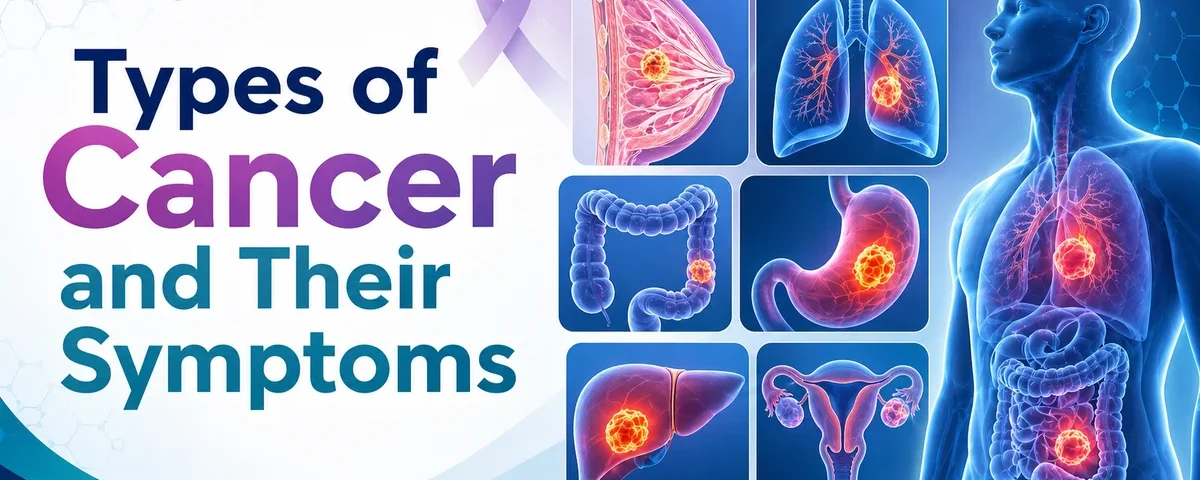
Cancer is one of the most serious health conditions affecting people around the world. It can begin in almost any part of the body and may grow slowly or quickly depending on the type. One of the most important things about cancer is early detection. When symptoms are noticed early and medical advice is sought at the right time, treatment often becomes more effective. Consulting the best oncologist in faridabad at the earliest sign of concern can help ensure accurate diagnosis, timely treatment, and better health outcomes
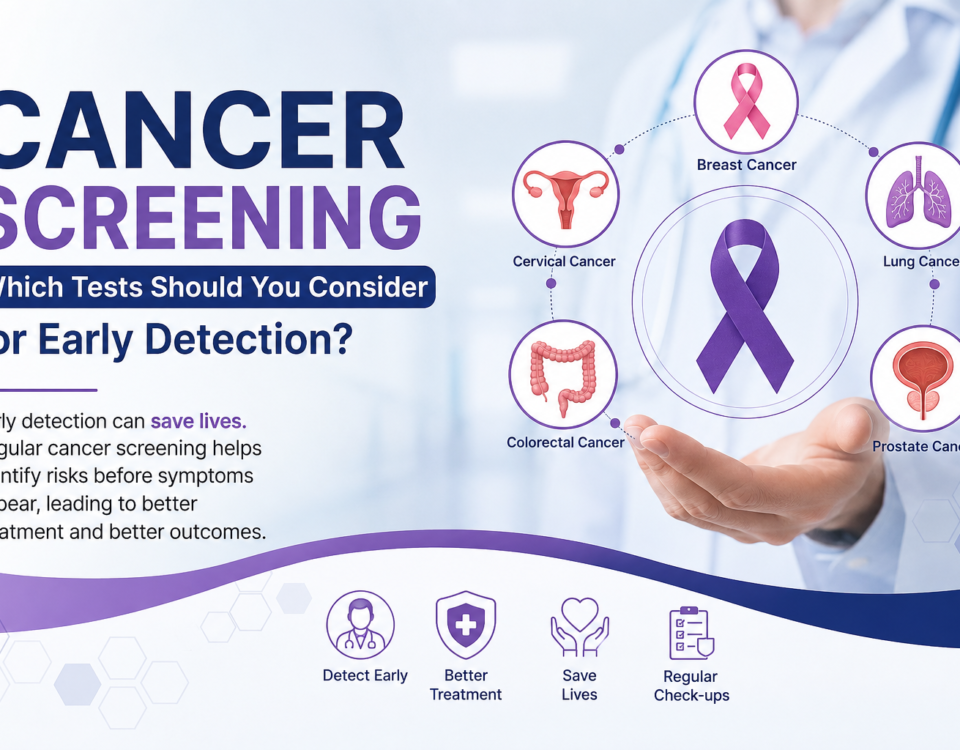
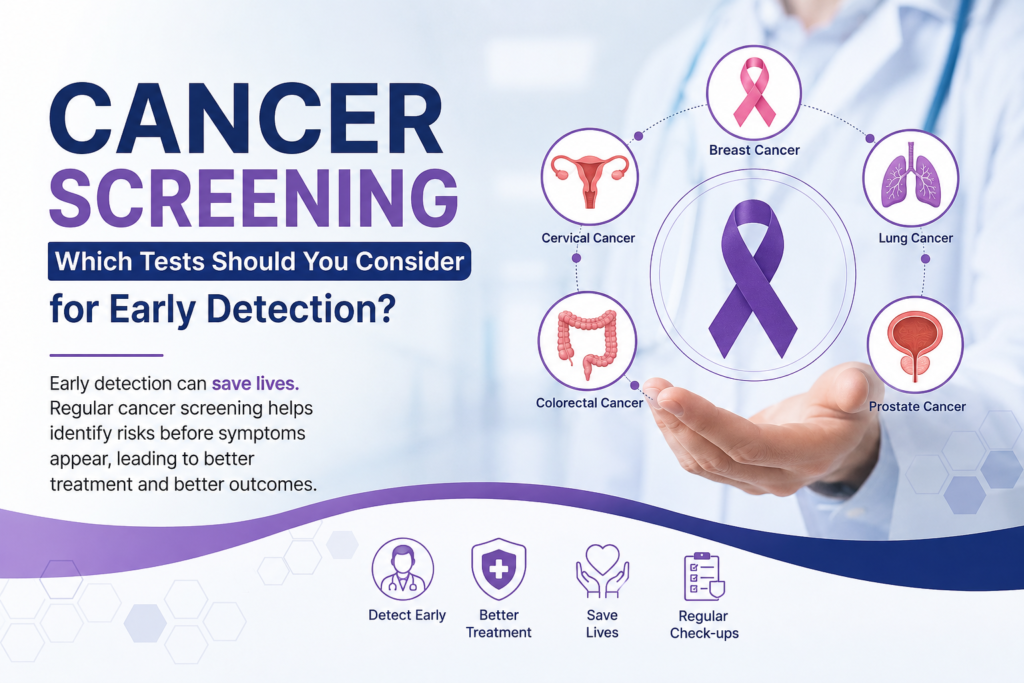
This article explains some of the most common types of cancer and their symptoms in simple terms. It also highlights warning signs that should never be ignored.
What Is Cancer?
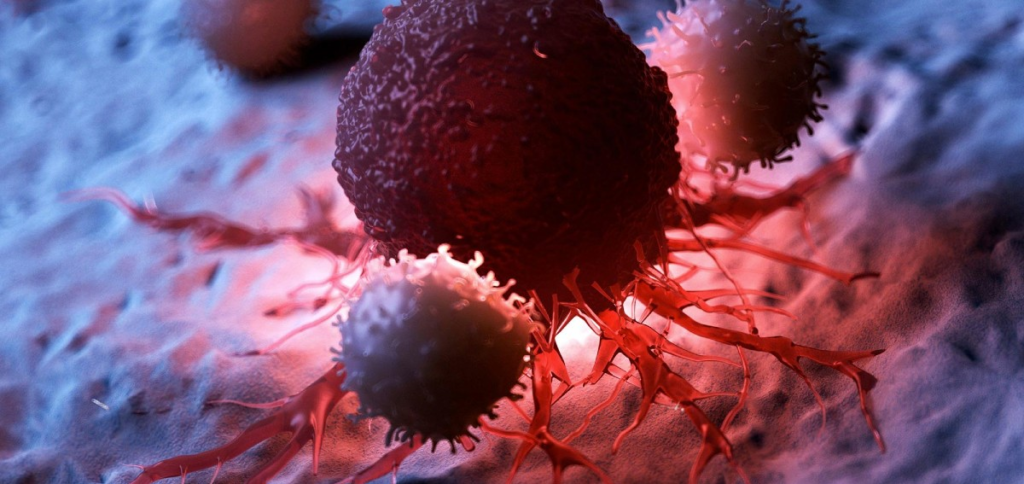
Cancer happens when cells in the body begin to grow in an uncontrolled way. Normally, cells grow, divide, and die in an organized pattern. But in cancer, this process does not work properly. The abnormal cells may form a lump, spread into nearby tissues, or move to other parts of the body. Understanding different cancer treatment hospital in faridabad and their warning signs can help individuals seek timely medical attention and improve the chances of successful treatmen
Cancer is not one single disease. There are many different types, and each type affects the body in a different way. Some cancers may develop without early symptoms, while others may show clear warning signs.
Why Knowing the Symptoms Matters
Many people do not notice cancer in its early stages because the symptoms can be mild or similar to other common illnesses. That is why awareness is so important. Understanding the early signs can help a person get checked sooner.
Some symptoms are not always caused by cancer, but they should still be taken seriously if they continue for a long time.
Common warning signs may include:
- Unexplained weight loss
- Constant tiredness
- A lump or swelling
- Unusual bleeding
- Persistent pain
- Changes in the skin
- Long-lasting cough or hoarseness
- Changes in bowel or bladder habits
If these symptoms continue or worsen, medical attention is important.
Breast Cancer
Breast cancer is one of the most common cancers, especially in women, though men can also develop it. It begins in the breast tissue and may spread if not treated early.
Symptoms may include:
- A lump in the breast or underarm
- Change in breast size or shape
- Dimpling or thickening of breast skin
- Nipple discharge, especially if it is bloody
- Nipple turning inward
- Redness or irritation on the breast skin
Not every lump is cancer, but any new breast change should be examined by a doctor.
Lung Cancer
Lung cancer starts in the lungs and is often linked with smoking, though non-smokers can also develop it. It is one of the most serious cancers because it may not show clear signs until later stages.
Common symptoms include:
- Ongoing cough that does not go away
- Coughing up blood
- Chest pain
- Shortness of breath
- Hoarseness
- Frequent chest infections
- Unexplained weight loss
A cough that lasts for weeks should not be ignored, especially if it changes over time.
Colorectal Cancer
Colorectal cancer affects the colon or rectum, which are parts of the digestive system. It is often found in older adults, but younger people can also be affected.
Symptoms may include:
- Blood in the stool
- Changes in bowel habits, such as diarrhea or constipation
- Feeling that the bowel does not empty fully
- Stomach cramps or discomfort
- Weakness or fatigue
- Unexplained weight loss
These symptoms can also happen with other digestive problems, but persistent changes should be checked.
Prostate Cancer
Prostate cancer is common in men and begins in the prostate gland, which is part of the male reproductive system. It may grow slowly, and in some cases, symptoms do not appear early.
Possible symptoms include:
- Trouble passing urine
- Weak urine flow
- Frequent urination, especially at night
- Blood in urine or semen
- Pain in the lower back, hips, or pelvis
Because prostate cancer may not show obvious symptoms at first, regular checkups can be helpful for men at higher risk.
Cervical Cancer
Cervical cancer affects the cervix, which is the lower part of the uterus. It often develops slowly over time and may be linked to certain infections. It is one of the cancers that can sometimes be detected early through screening.
Symptoms can include:
- Abnormal vaginal bleeding
- Bleeding after intercourse
- Unusual vaginal discharge
- Pelvic pain
- Pain during intercourse
Regular screening is important because cervical cancer can often be found before it becomes advanced.
Skin Cancer
Skin cancer develops in the skin cells and is often related to long-term sun exposure. It is one of the most visible cancers because changes can often be seen on the skin.
Warning signs include:
- A new mole or spot
- A mole that changes in size, shape, or color
- A sore that does not heal
- Itching, bleeding, or crusting in a skin spot
- A patch of skin that looks unusual or different
Any changing skin mark should be checked, especially if it keeps growing or bleeding.
Blood Cancer
Blood cancer includes cancers such as leukemia, lymphoma, and myeloma. These cancers affect the blood, bone marrow, or lymphatic system. They may affect how the body fights infection and makes healthy blood cells.
Symptoms may include:
- Frequent infections
- Fever or night sweats
- Tiredness
- Swollen lymph nodes
- Easy bruising or bleeding
- Bone or joint pain
- Unexplained weight loss
Because blood cancers often affect the immune system, a person may feel weak or unwell for a long time.
When to See a Doctor
A doctor should be consulted if symptoms last for more than a few weeks or keep returning. It is especially important to get checked when there are unusual changes that cannot be explained easily.
You should not wait if you notice:
- A lump that grows over time
- Bleeding without a clear reason
- Sudden weight loss
- A long-lasting cough
- Changes in bowel movements
- Severe fatigue with no clear cause
Early medical evaluation can make a major difference.
How Cancer Is Diagnosed
Doctors use different methods to find out whether symptoms are caused by cancer. These may include physical examination, blood tests, scans, or biopsy. A biopsy means taking a small sample of tissue to look at under a microscope.
Diagnosis depends on the type of cancer and where it is located. In many cases, more than one test is needed.

Conclusion
Cancer can affect many parts of the body, and its symptoms vary depending on the type. Some cancers grow quietly, while others show noticeable warning signs. Understanding the common types of cancer and their symptoms is an important step toward early detection and timely treatment.
Being aware of changes in the body, taking symptoms seriously, and visiting a doctor when something does not feel right can help save lives. Regular checkups and healthy habits also play an important role in protecting long-term health.