Understanding the Role of Genetics and Family History in Breast Cancer

The Importance of Early Cancer Detection for Better Outcomes
June 22, 2026
Lung Cancer: Everything You Need to Know About Diagnosis and Treatment
July 1, 2026
Breast cancer is one of the most common cancers affecting women worldwide. While lifestyle factors, age, and environmental influences can contribute to the development of the disease, genetics and family history also play a significant role. Understanding how inherited genetic changes and family medical history influence breast cancer risk can help individuals make informed decisions about screening, prevention, and treatment. Individuals seeking reliable breast cancer treatment in faridabad can benefit from understanding these risk factors, as early awareness and timely medical intervention play a crucial role in improving outcomes and overall breast health.
Advancements in medical research have improved our understanding of the connection between genetics and breast cancer. Today, healthcare professionals can identify people who may have a higher risk of developing the disease and recommend appropriate preventive measures. Learning about genetic factors and family history is an important step toward better breast health and early detection.

What Is Breast Cancer?
Breast cancer occurs when cells in the breast grow uncontrollably and form a tumor. These abnormal cells can spread to nearby tissues and other parts of the body if not detected and treated early. Breast cancer can affect both women and men, although it is far more common in women.
There are several types of breast cancer, and each may have different causes, characteristics, and treatment approaches. Early diagnosis remains one of the most effective ways to improve treatment outcomes and survival rates.
Understanding Genetics and Breast Cancer
Genetics refers to the study of genes, which are the instructions passed from parents to their children. Genes determine many characteristics, including physical traits and certain health risks.
Sometimes, changes known as mutations occur in genes. Some gene mutations can increase the likelihood of developing specific diseases, including breast cancer. These inherited mutations can be passed down through generations and may significantly increase an individual’s cancer risk.
However, it is important to remember that not all breast cancer cases are hereditary. In fact, most breast cancer cases occur in people with no known inherited genetic mutation.
Key Genes Linked to Breast Cancer
Researchers have identified several genes associated with an increased risk of breast cancer. The most well-known are:
- BRCA1
- BRCA2
- PALB2
- CHEK2
- ATM
- TP53
Mutations in the BRCA1 and BRCA2 genes are among the strongest genetic risk factors for breast cancer. These genes normally help repair damaged DNA and prevent abnormal cell growth. When they do not function properly, the risk of developing breast and ovarian cancer increases significantly.
Individuals who inherit harmful mutations in these genes often face a higher lifetime risk of breast cancer compared to the general population.
What Does Family History Mean?
Family history refers to the health conditions that occur among close relatives, including parents, siblings, children, grandparents, aunts, and uncles.
A family history of breast cancer may indicate a shared genetic mutation or common environmental and lifestyle factors that increase cancer risk. Healthcare providers often ask about family medical history to evaluate a person’s likelihood of developing certain diseases.
Factors that may increase concern include:
- Multiple relatives diagnosed with breast cancer
- Breast cancer diagnosed at a young age
- Cases of ovarian cancer in the family
- Male breast cancer in a family member
- Multiple generations affected by breast cancer
- Relatives with known BRCA mutations
Having one or more of these factors does not guarantee that a person will develop breast cancer, but it may indicate a higher risk
How Family History Affects Breast Cancer Risk
A person’s risk of breast cancer can increase if close relatives have been diagnosed with the disease. The degree of risk often depends on:
- The number of affected relatives
- The closeness of the relationship
- The age at which relatives were diagnosed
- Whether cancer occurred in one or both breasts
For example, having a mother, sister, or daughter with breast cancer generally increases risk more than having a distant relative with the condition.
Individuals with several affected family members may benefit from enhanced screening and genetic counseling.
Genetic Testing and Its Importance
Genetic testing helps identify inherited mutations that may increase cancer risk. A simple blood or saliva sample is usually used for testing.
Healthcare providers may recommend genetic testing for individuals who:
- Have a strong family history of breast cancer
- Have relatives with BRCA mutations
- Were diagnosed with breast cancer at a young age
- Have a personal or family history of ovarian cancer
- Have multiple relatives affected by cancer
The results can help guide decisions regarding screening schedules, preventive strategies, and treatment options.
Benefits of genetic testing include:
- Better understanding of personal cancer risk
- Personalized screening recommendations
- Improved treatment planning
- Awareness for family members who may also be at risk

The Role of Genetic Counseling
Genetic counseling is an important part of the testing process. Genetic counselors help individuals understand their family history, assess risk levels, and interpret test results.
During a counseling session, patients may discuss:
- Family medical history
- Cancer risk assessment
- Benefits and limitations of testing
- Possible outcomes of genetic testing
- Preventive measures and screening options
Genetic counseling helps individuals make informed decisions and reduces confusion surrounding complex genetic information.
Screening Recommendations for High-Risk Individuals
People with a strong family history or known genetic mutation may require earlier and more frequent screening.
Common screening methods include:
- Mammography
- Breast MRI
- Clinical breast examinations
- Regular health checkups
Healthcare providers may recommend beginning screening before the age typically advised for average-risk individuals.
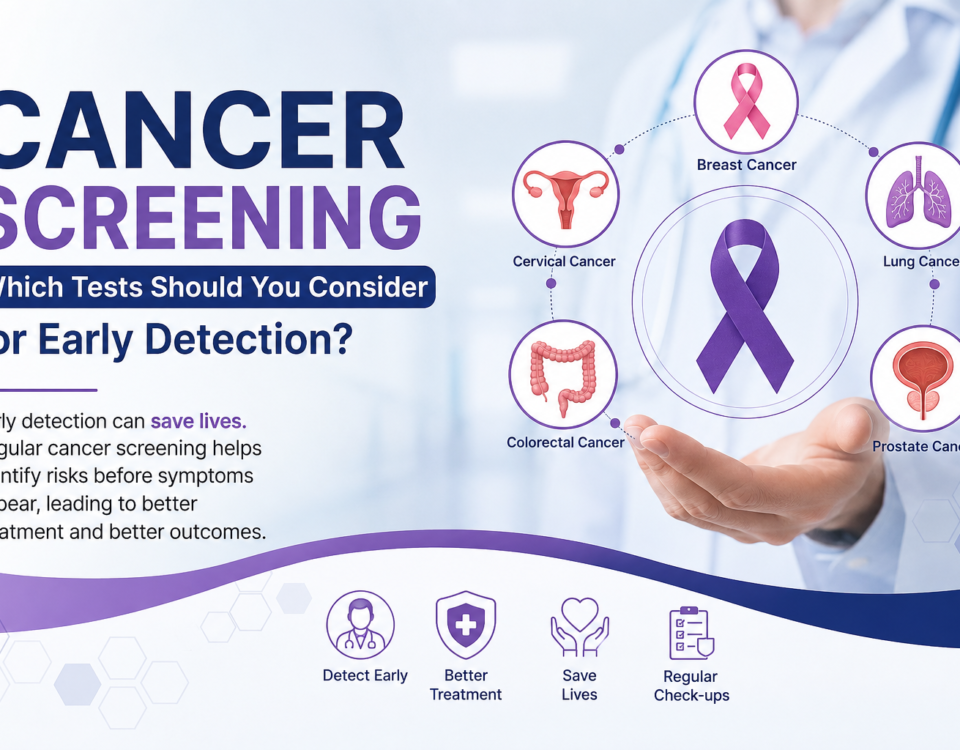
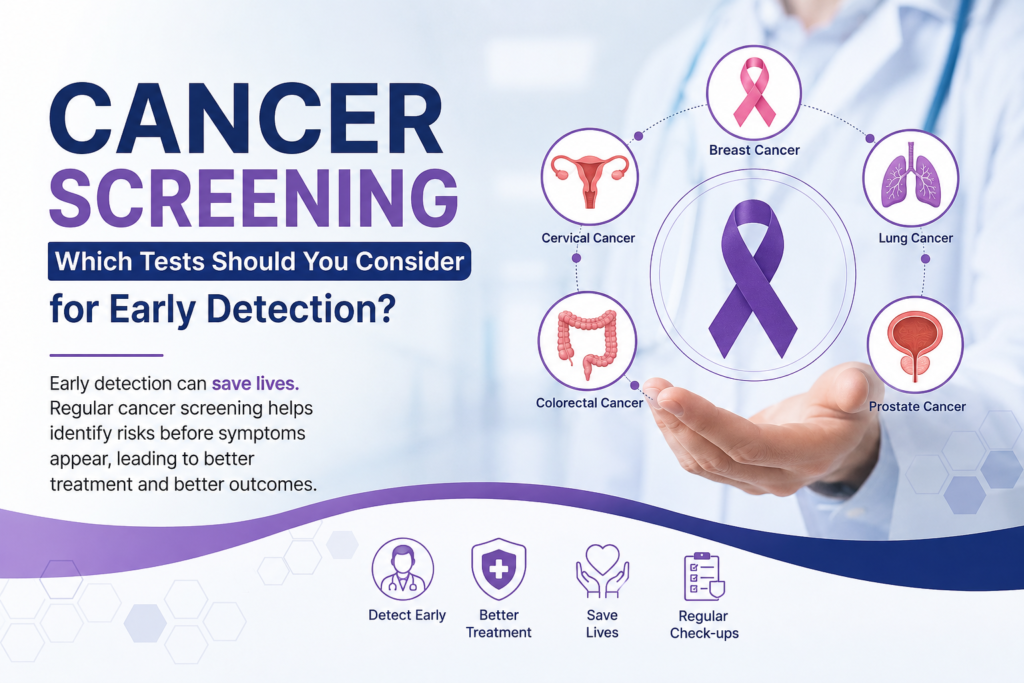
Early detection allows doctors to identify abnormalities before symptoms appear, improving the chances of successful treatment.
Preventive Strategies for Those at Higher Risk
Individuals with increased genetic risk can take several proactive steps to reduce their chances of developing breast cancer.
These may include:
- Maintaining a healthy weight
- Engaging in regular physical activity
- Limiting alcohol consumption
- Avoiding tobacco products
- Following recommended screening schedules
- Discussing preventive medications with healthcare providers
In some high-risk cases, preventive surgery may be considered. Decisions regarding preventive treatments should always be made in consultation with qualified medical professionals.
Emotional Impact of Genetic Risk
Learning about an increased genetic risk for breast cancer can be emotionally challenging. Many individuals experience anxiety, fear, or uncertainty after receiving genetic test results.
Support from healthcare professionals, counselors, family members, and support groups can help individuals manage these emotions. Access to accurate information and professional guidance often makes the decision-making process easier and less stressful.
Open communication within families is also important, as genetic information may affect multiple relatives.
Common Misconceptions About Genetics and Breast Cancer
Several myths exist regarding hereditary breast cancer.
Some common misconceptions include:
- Only women with a family history develop breast cancer.
- A genetic mutation guarantees cancer development.
- Men cannot carry breast cancer-related gene mutations.
- Genetic testing is necessary for everyone.
In reality, most breast cancer cases occur without a strong family history, and having a mutation increases risk but does not guarantee a diagnosis. Men can also inherit and pass on cancer-related genetic mutations.
Understanding the facts helps individuals make informed healthcare decisions.

Conclusion
Genetics and family history play an important role in determining breast cancer risk, but they are only part of the overall picture. While inherited gene mutations such as BRCA1 and BRCA2 can significantly increase risk, many people with these mutations never develop breast cancer, and many breast cancer patients have no known family history.
Understanding personal and family medical history, seeking genetic counseling when appropriate, and following recommended screening guidelines can help identify risks early. With advances in genetic testing and personalized healthcare, individuals now have more tools than ever to manage their breast health proactively. Consulting a trusted cancer treatment hospital in faridabad can further support individuals in accessing advanced screening, accurate diagnosis, expert guidance, and personalized treatment plans for better breast health management.
Awareness, education, and early detection remain essential in reducing the impact of breast cancer and improving long-term health outcomes.