What Is Cancer? Understanding Causes, Types, and Early Signs

Breast Cancer Risk Factors: What Every Woman Should Know
June 11, 2026
The Importance of Early Cancer Detection for Better Outcomes
June 22, 2026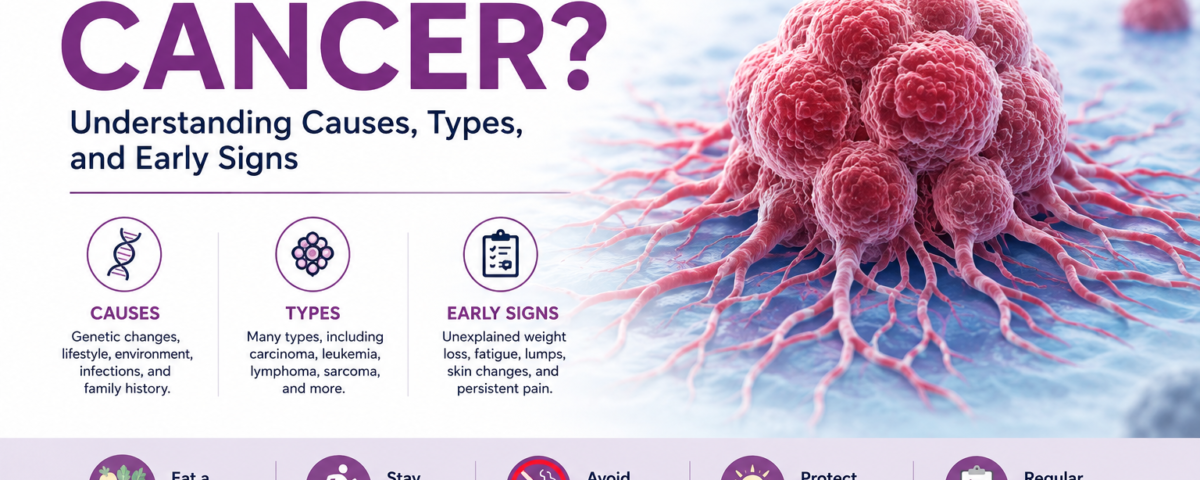
Cancer is one of the most discussed health conditions in the world, yet many people still do not fully understand what it means. In simple terms, cancer begins when some cells in the body start growing in an uncontrolled way. Normally, healthy cells grow, divide, and die in an orderly pattern. But cancer cells do not follow this pattern. They continue to multiply and may spread to other parts of the body if not detected and treated early. Seeking timely diagnosis and expert care from a trusted cancer treatment hospital in faridabad can play a crucial role in improving treatment outcomes and overall quality of life for patients.
Understanding cancer is important because early awareness can help people notice warning signs, seek medical advice sooner, and make better health decisions. Cancer is not a single disease. It is a group of many diseases, each with its own features, causes, and treatment options.
How Cancer Develops
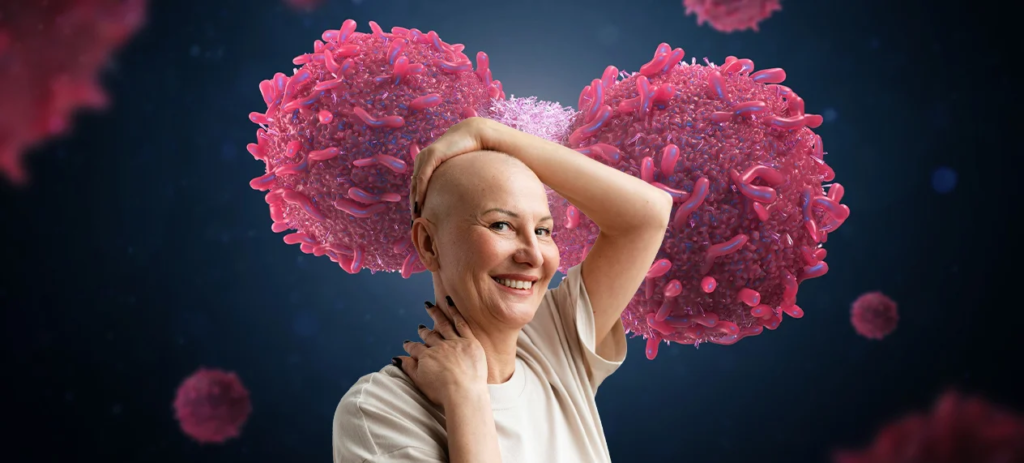
The human body is made up of trillions of cells. These cells usually follow instructions that control growth and repair. Sometimes, however, changes happen in a cell’s DNA, which is like the instruction manual for the body. These changes are called mutations. When mutations affect the genes that control cell growth, the cell may begin to divide too quickly or avoid dying when it should.
Over time, these abnormal cells can form a lump called a tumor. Not all tumors are cancerous. Some are benign, which means they do not spread to other parts of the body. Cancerous tumors are called malignant, and they can invade nearby tissues or travel through the blood or lymph system to other organs.
Cancer can begin almost anywhere in the body, which is why it can look very different from one person to another.
Common Causes and Risk Factors
There is no single cause of cancer. In many cases, it develops because of a combination of factors. Some people may have a greater risk because of family history, while others may develop cancer due to long-term exposure to harmful substances or unhealthy habits.
Some common risk factors include:
- Tobacco use
- Heavy alcohol use
- Unhealthy diet
- Lack of physical activity
- Obesity
- Exposure to certain chemicals
- Too much ultraviolet radiation from the sun
- Certain viral infections
- Family history of cancer
- Older age
It is important to remember that having one or more risk factors does not mean a person will definitely get cancer. Many people with risk factors never develop it, while some people without obvious risk factors still may.
Cancer can sometimes develop silently, which means it may not show clear symptoms in the early stages. That is why regular health checkups and paying attention to body changes are so important.
Main Types of Cancer
Cancer is grouped into different types based on where it starts in the body. Each type behaves differently and may need different treatment approaches.
Some of the major types include:
- Carcinoma: This starts in the skin or tissues that line organs. It is one of the most common types.
- Sarcoma: This begins in bones, muscles, fat, blood vessels, or connective tissues.
- Leukemia: This affects the blood and bone marrow.
- Lymphoma: This starts in the lymphatic system, which is part of the immune system.
- Melanoma: This begins in the cells that give skin its color.
- Brain and spinal cord cancers: These affect the nervous system.
Each type of cancer can have different symptoms, growth patterns, and treatments. Some grow slowly, while others spread quickly. Some are easier to treat when found early, which is why awareness matters so much.
Early Signs of Cancer
Early signs of cancer are not always obvious, and many symptoms can also be caused by other health problems. Still, it is important to notice unusual changes that last for more than a short time.
Common early warning signs may include:
- Unexplained weight loss
- Persistent fatigue
- A lump or thickened area in the body
- Unusual bleeding or discharge
- Changes in bowel or bladder habits
- A sore that does not heal
- Persistent cough or hoarseness
- Changes in the skin, such as a new mole or change in an existing one
- Ongoing pain without a clear reason
- Difficulty swallowing or persistent indigestion
These signs do not always mean cancer, but they should not be ignored. The earlier a health issue is checked, the better the chances of finding the right cause and starting treatment if needed.
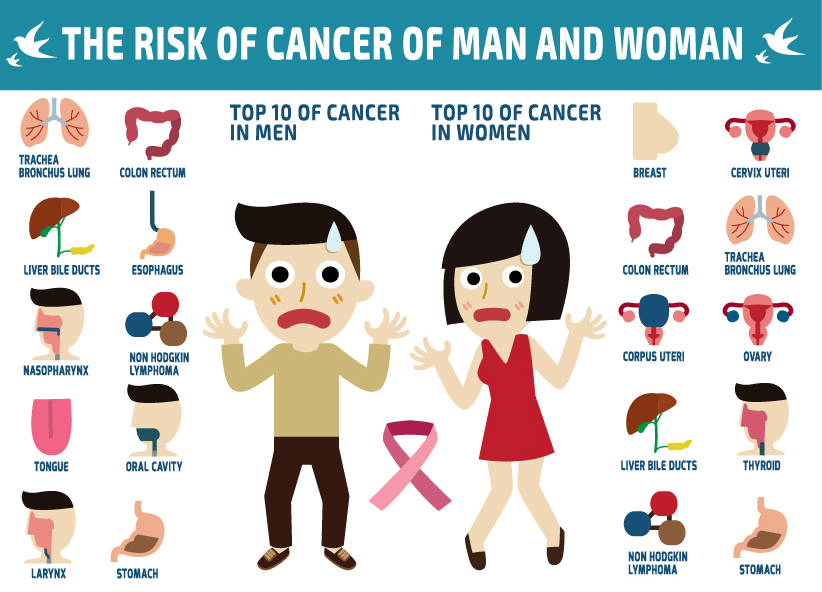
Why Early Detection Matters
Finding cancer early can make a major difference. When cancer is detected in its early stages, treatment is often more effective and may be less complicated. Early detection can also improve recovery and long-term outcomes.
There are several ways doctors may detect cancer early:
- Physical examination
- Blood tests
- Imaging scans
- Biopsies
- Screening tests for specific cancers
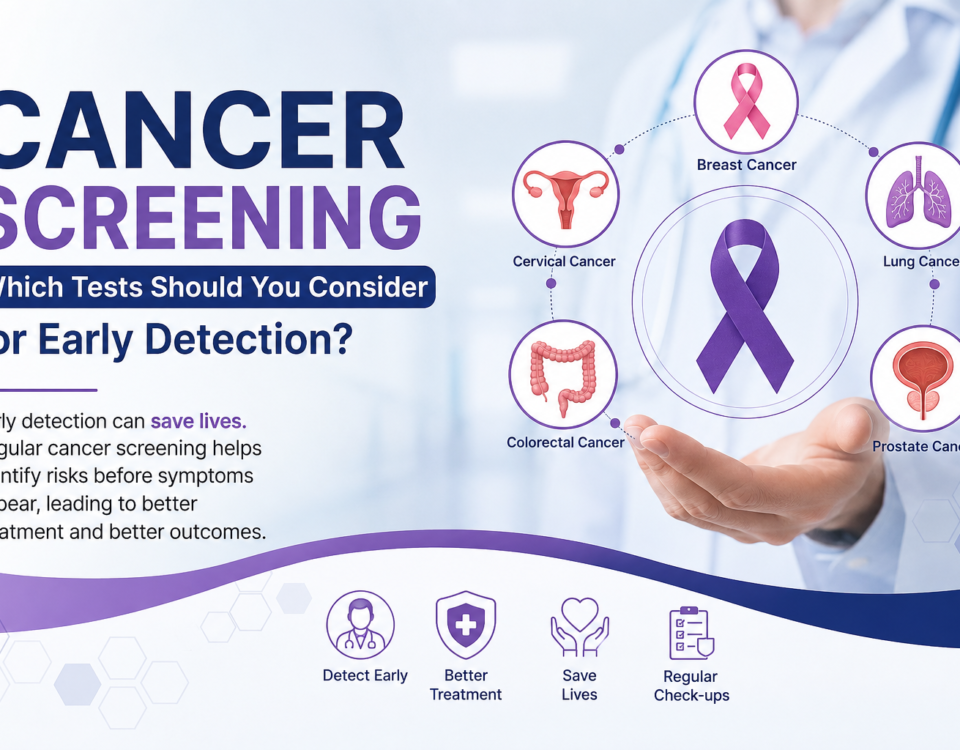
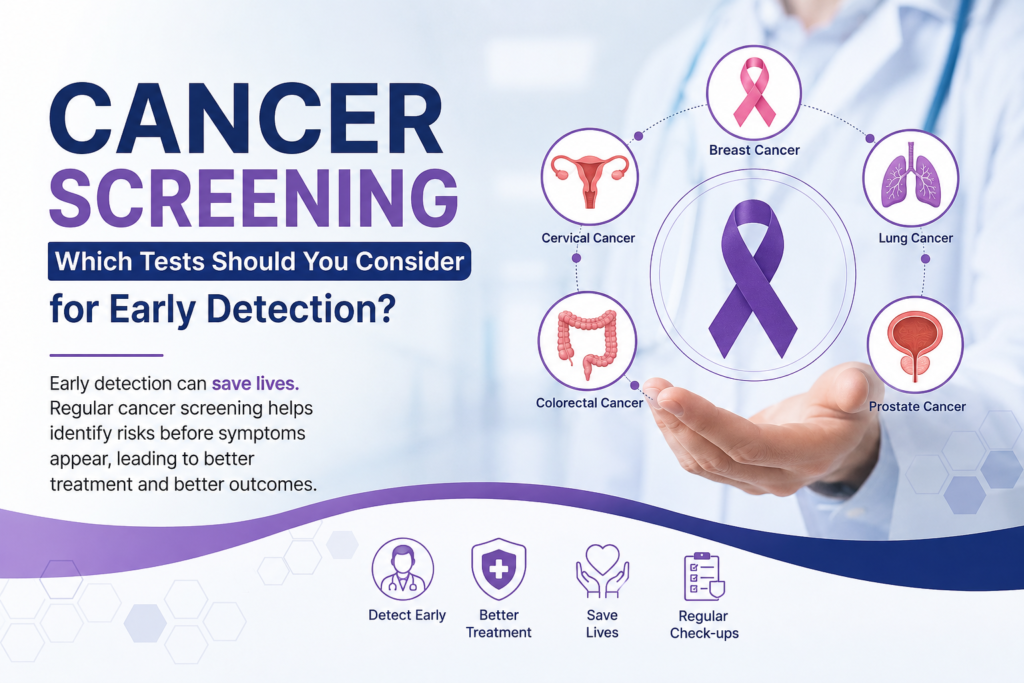
Screening tests are especially helpful because they can find changes before symptoms appear. Some common screenings may be recommended based on age, sex, family history, and overall health.
Healthy Habits That May Lower Risk
No one can completely prevent cancer, but healthy lifestyle choices can help lower the risk. Simple daily habits can support overall health and reduce exposure to some known risk factors.
Helpful habits include:
- Eating more fruits, vegetables, and whole grains
- Staying physically active
- Avoiding tobacco
- Limiting alcohol
- Protecting skin from too much sun exposure
- Maintaining a healthy weight
- Getting vaccinated against certain infections when recommended
- Attending regular health checkups
These habits do not guarantee protection, but they can support better long-term health and reduce the chance of developing some cancers.
Living With Awareness, Not Fear
Hearing the word cancer can feel frightening, but awareness should create action, not panic. Knowing the basics helps people understand their bodies better and encourages timely medical care. Many cancers are treatable, especially when found early. Research and treatment options have also improved greatly over the years.
The most important step is not to ignore warning signs and not to delay medical advice when something feels unusual. Even if a symptom turns out to be harmless, checking it early is always the safer choice.
Conclusion
Cancer is a serious disease, but understanding it can make a big difference. It starts when abnormal cells grow out of control, and it can appear in many different forms. While there are several risk factors, early signs and symptoms should always be taken seriously. Regular checkups, healthy habits, and awareness of body changes can help with early detection and better outcomes. Consulting the best oncologist in faridabad for timely evaluation, diagnosis, and treatment guidance can further improve the chances of effective cancer management and recovery.
The more people understand cancer, the better prepared they are to protect their health and support others. Knowledge is one of the strongest tools in the fight against cancer.