The Importance of Early Cancer Detection for Better Outcomes

What Is Cancer? Understanding Causes, Types, and Early Signs
June 17, 2026
Understanding the Role of Genetics and Family History in Breast Cancer
June 24, 2026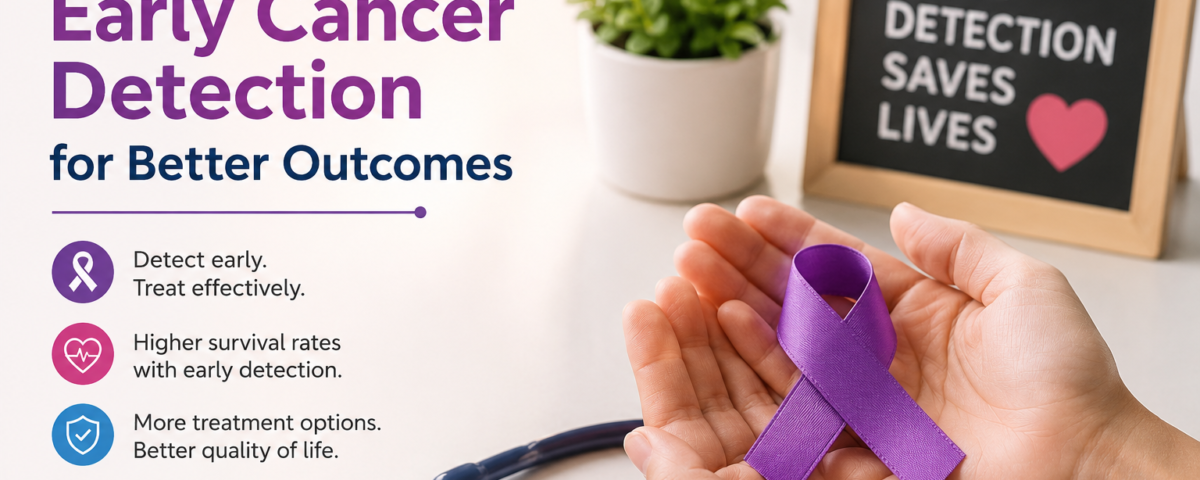
Cancer is one of the leading causes of death worldwide, affecting millions of people every year. While cancer can be a life-threatening disease, advancements in medical science have significantly improved treatment options and survival rates. One of the most important factors that contributes to successful treatment is early cancer detection. Detecting cancer at an early stage can make a major difference in treatment effectiveness, recovery time, and overall quality of life. Seeking timely care from a trusted cancer treatment hospital in faridabad can further improve the chances of accurate diagnosis, effective treatment, and better long-term health outcomes.

What Is Early Cancer Detection?
Early cancer detection refers to identifying cancer before it spreads to other parts of the body or causes severe symptoms. In many cases, cancer develops slowly, giving healthcare professionals an opportunity to find and treat it before it becomes advanced.
Early detection can occur through:
- Regular health screenings
- Routine medical checkups
- Diagnostic tests
- Self-examinations
- Awareness of warning signs and symptoms
When cancer is found early, treatment is often simpler, less invasive, and more successful.
Why Early Detection Matters
The stage at which cancer is diagnosed plays a crucial role in determining treatment outcomes. Early-stage cancers are usually localized, meaning they have not spread beyond their original location.
Benefits of early detection include:
- Higher survival rates
- More treatment options
- Less aggressive treatment
- Reduced healthcare costs
- Better quality of life
- Improved chances of complete recovery
Finding cancer before it progresses can save lives and prevent complications associated with advanced disease.
Increased Survival Rates
One of the biggest advantages of early cancer detection is improved survival. Many types of cancer have significantly higher survival rates when diagnosed in their early stages.
For example:
- Breast cancer detected early often has a very high survival rate.
- Colorectal cancer can often be treated successfully when found before it spreads.
- Cervical cancer is highly treatable when detected through routine screening.
- Prostate cancer identified early often responds well to treatment.
When cancer is discovered at an advanced stage, treatment becomes more challenging, and the chances of successful recovery may decrease.
More Effective Treatment Options
Early detection gives doctors more flexibility in choosing the most effective treatment plan. When cancer is small and localized, treatment may involve fewer procedures and shorter recovery periods.
Common treatment options for early-stage cancer include:
- Surgery to remove the tumor
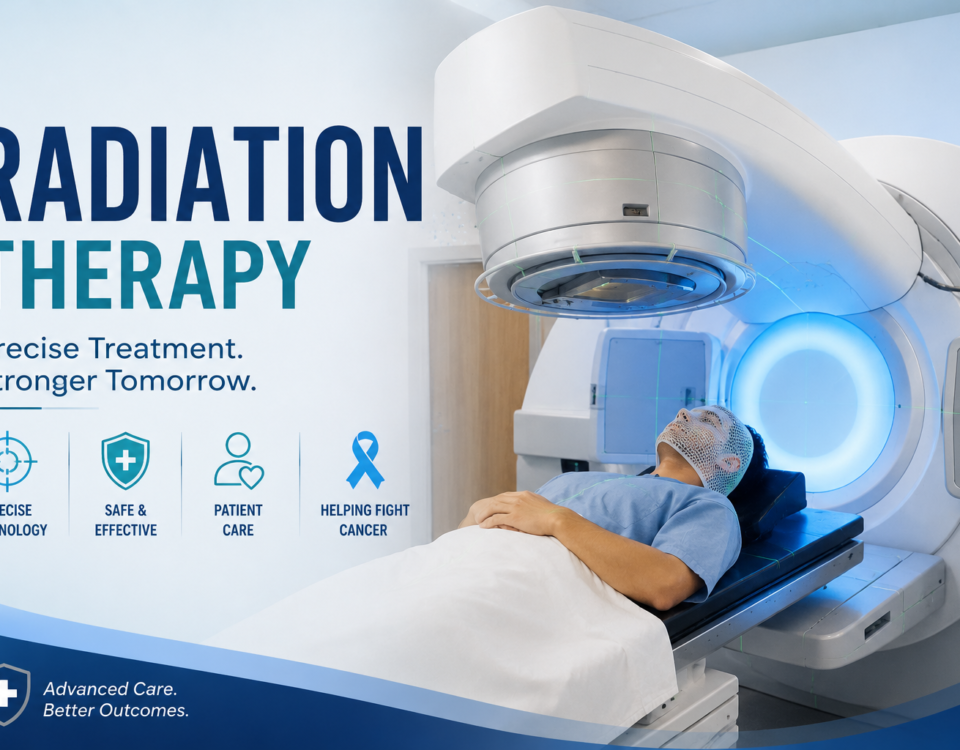
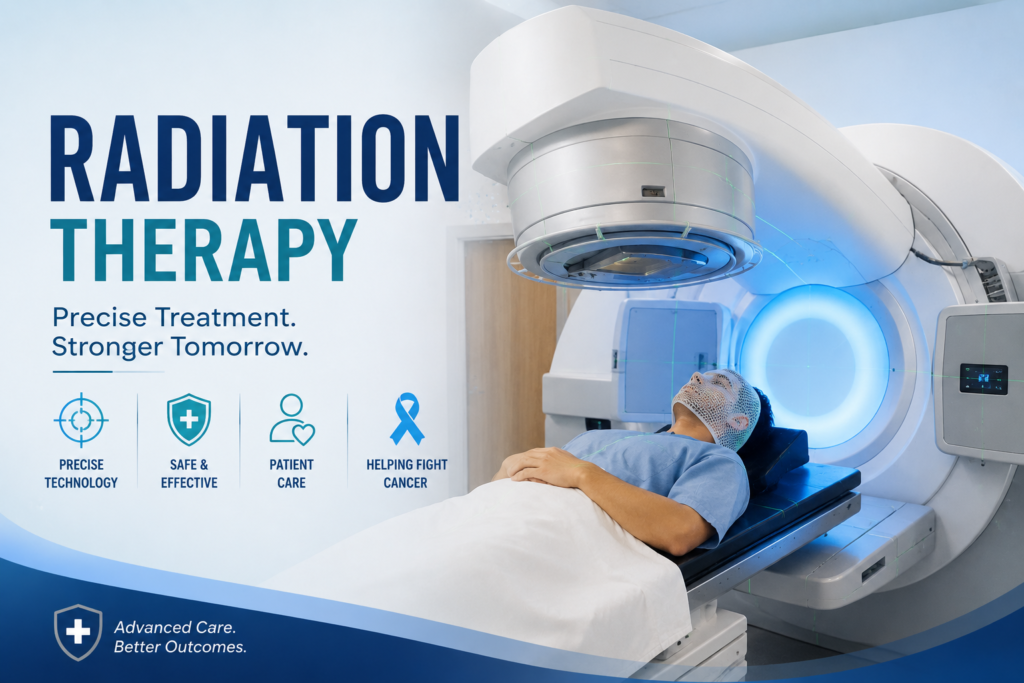
- Radiation therapy
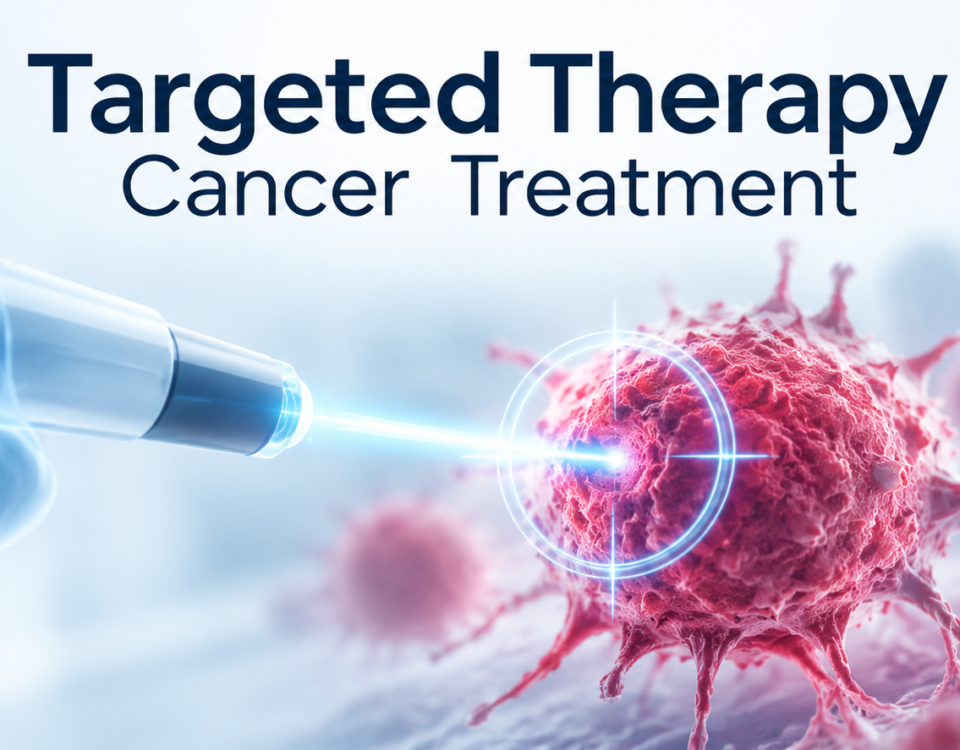
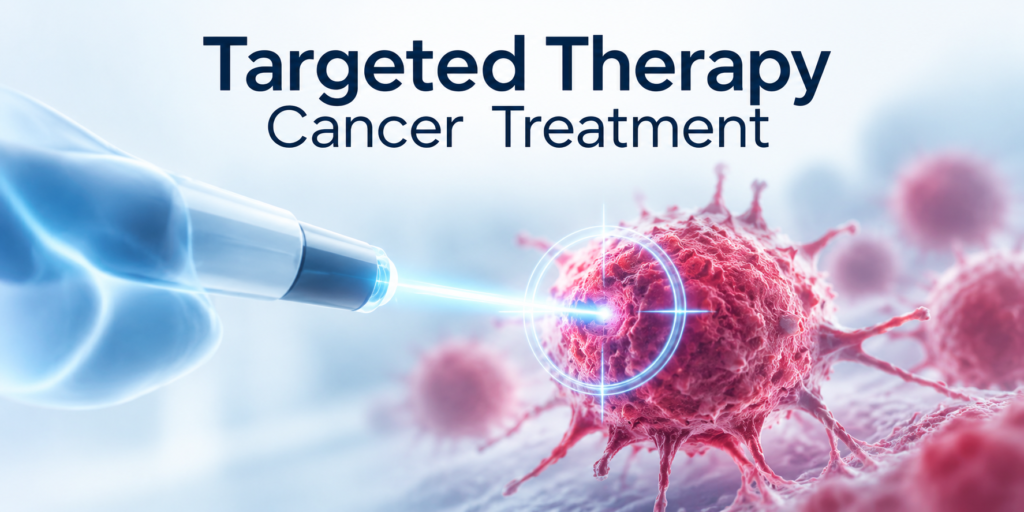
- Targeted therapy
- Immunotherapy
- Hormone therapy
In many cases, patients diagnosed early may avoid extensive surgeries or intensive treatments required for advanced cancers.
Lower Treatment Costs
Cancer treatment can be expensive, especially when the disease is diagnosed at a later stage. Advanced cancer often requires prolonged hospital stays, multiple treatments, and ongoing care.
Early detection can help reduce costs by:
- Minimizing the need for complex treatments
- Reducing hospitalization expenses
- Shortening treatment duration
- Lowering long-term healthcare costs
Preventive screenings and routine tests are often far less expensive than treating advanced cancer.
Better Quality of Life
Cancer and its treatments can have a significant impact on physical and emotional well-being. Early diagnosis often means patients can continue their daily activities with fewer disruptions.
Benefits to quality of life include:
- Less physical discomfort
- Reduced treatment side effects
- Faster recovery
- Better emotional health
- Greater independence
Patients diagnosed early are often able to maintain their normal routines and responsibilities throughout treatment.
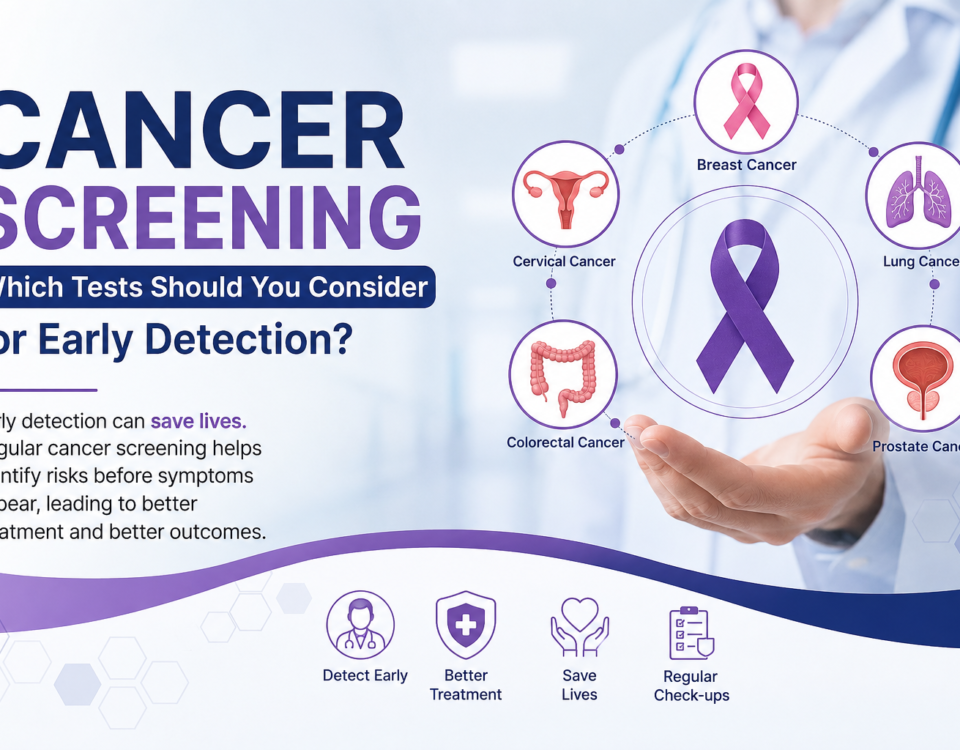
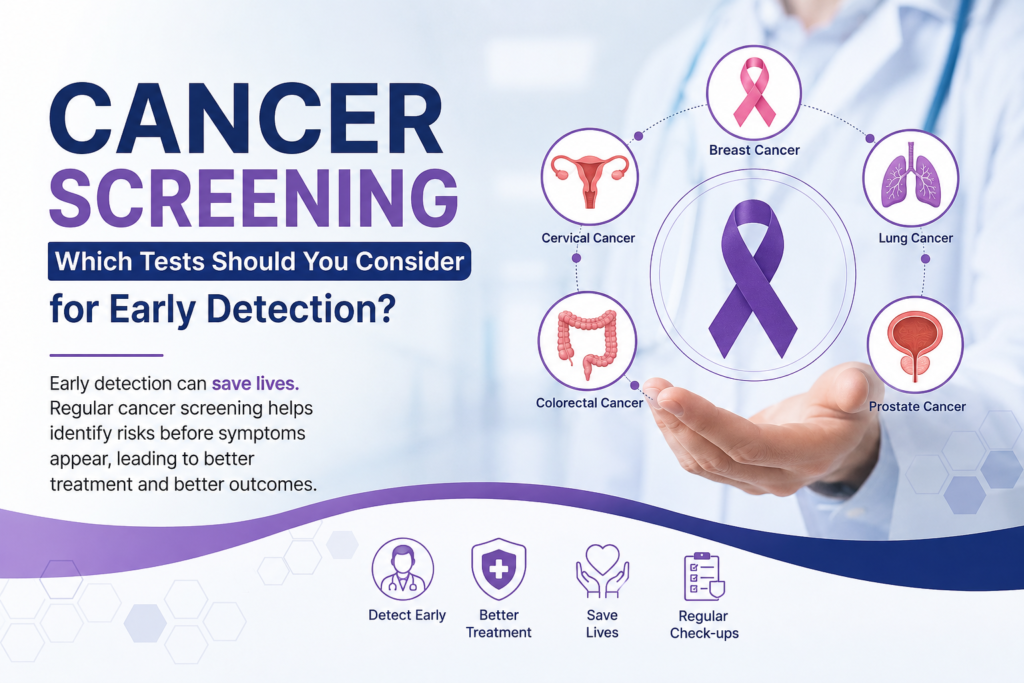
Common Cancer Screening Tests
Screening tests play a vital role in detecting cancer before symptoms appear. Different screenings are recommended based on age, gender, family history, and risk factors.
Some common cancer screening tests include:
Breast Cancer Screening
- Mammography
- Clinical breast examination
- Breast MRI for high-risk individuals
Cervical Cancer Screening
- Pap smear test
- HPV testing
Colorectal Cancer Screening
- Colonoscopy
- Stool-based tests
- Flexible sigmoidoscopy
Prostate Cancer Screening
- PSA blood test
- Digital rectal examination
Lung Cancer Screening
- Low-dose CT scan for high-risk individuals, especially smokers
Regular screenings can identify abnormalities before they develop into serious health problems.
Recognizing Early Warning Signs
While some cancers do not cause symptoms in the early stages, certain warning signs should never be ignored.
Common symptoms that may require medical evaluation include:
- Unexplained weight loss
- Persistent fatigue
- Changes in bowel or bladder habits
- Unusual bleeding or discharge
- Persistent cough
- Difficulty swallowing
- Changes in skin appearance
- Lumps or swelling
- Ongoing pain without a clear cause
Experiencing these symptoms does not necessarily mean cancer is present, but medical evaluation is important to determine the cause.
Risk Factors That Increase Cancer Risk
Understanding cancer risk factors can help individuals take preventive measures and seek appropriate screenings.
Common risk factors include:
- Tobacco use
- Excessive alcohol consumption
- Obesity
- Poor diet
- Physical inactivity
- Exposure to harmful chemicals
- Family history of cancer
- Increasing age
- Certain infections
- Excessive sun exposure
Reducing these risk factors can lower the likelihood of developing certain types of cancer.
The Role of Regular Health Checkups
Routine health checkups are essential for detecting potential health issues before they become serious. Many cancers can be identified through regular examinations and diagnostic tests.
During health checkups, healthcare providers may:
- Assess personal and family medical history
- Recommend screening tests
- Monitor overall health
- Identify risk factors
- Provide preventive health advice
Consistent medical care increases the chances of detecting cancer at its earliest and most treatable stage.
How Awareness Helps Save Lives
Public awareness about cancer symptoms, risk factors, and screening programs encourages people to seek medical attention sooner. Education empowers individuals to take charge of their health and make informed decisions.
Awareness initiatives help by:
- Promoting regular screenings
- Encouraging healthy lifestyle choices
- Reducing fear and misconceptions
- Supporting early diagnosis
- Improving community health outcomes
Greater awareness can lead to earlier detection and better survival rates across populations.
Preventive Measures for Cancer
Although not all cancers can be prevented, adopting healthy habits can reduce risk and support overall well-being.
Helpful preventive measures include:
- Avoiding tobacco products
- Eating a balanced diet rich in fruits and vegetables
- Exercising regularly
- Maintaining a healthy weight
- Limiting alcohol consumption
- Protecting skin from excessive sun exposure
- Getting recommended vaccinations
- Attending regular health screenings
These lifestyle choices contribute to better health and may lower cancer risk.

Conclusion
Early cancer detection is one of the most powerful tools in the fight against cancer. It increases survival rates, improves treatment success, reduces healthcare costs, and enhances quality of life. Through regular screenings, awareness of warning signs, routine health checkups, and healthy lifestyle choices, individuals can take proactive steps toward protecting their health. Detecting cancer early provides the best opportunity for successful treatment and long-term recovery, making early diagnosis a critical component of modern healthcare. Consulting the best oncologist in faridabad can help ensure timely diagnosis, personalized treatment planning, and expert guidanc