Life After Breast Cancer Treatment: A Complete Guide to Recovery

Understanding Kidney Cancer: Causes, Symptoms, and Treatment Guide
July 2, 2026
Breast Cancer Myths vs. Facts: Everything You Need to Know
July 11, 2026
Recovering after breast cancer treatment in faridabad is a significant milestone, but it also marks the beginning of a new journey. Whether you have completed surgery, chemotherapy, radiation therapy, hormone therapy, or targeted treatment, your body and mind need time to heal. Recovery is not only about physical health but also about rebuilding emotional strength, restoring confidence, and adapting to a healthy lifestyle.
Every person’s recovery experience is different. Some individuals recover quickly, while others may take months or even years to regain their energy and confidence. Understanding what to expect after treatment can help you prepare for the next chapter of your life with greater peace of mind.
Understanding the Recovery Process
Recovery after breast cancer treatment is a gradual process. Although treatment may be complete, your body continues to heal from its effects. You may experience changes in your energy levels, physical strength, emotions, and daily routine.
Common experiences during recovery include:
- Fatigue that lasts for several weeks or months
- Mild pain or discomfort around the surgical area
- Limited movement in the shoulder or arm
- Emotional ups and downs
- Changes in sleep patterns
- Appetite fluctuations
These experiences are common and usually improve over time with proper care and regular medical follow-up.
Managing Physical Recovery
Your body has gone through significant changes during treatment, making physical recovery one of the most important aspects of healing. Taking care of your body helps improve strength, flexibility, and overall well-being.
Your healthcare provider may recommend gentle exercises to restore movement, especially if lymph nodes were removed during surgery. Regular stretching and light physical activity can improve mobility and reduce stiffness.
Some helpful recovery practices include:
- Walk for 20 to 30 minutes daily, as advised by your doctor.
- Perform gentle stretching exercises.
- Eat a balanced and nutritious diet.
- Drink enough water throughout the day.
- Get adequate sleep every night.
- Avoid smoking and excessive alcohol consumption.
Gradually increasing your activity level helps improve endurance and supports long-term health.
Eating a Healthy Diet After Treatment
Good nutrition plays an important role in recovery. A healthy diet provides the nutrients your body needs to repair tissues, strengthen immunity, and maintain a healthy weight.
Focus on including a variety of foods such as:
- Fresh fruits and vegetables
- Whole grains
- Lean proteins like fish, eggs, beans, and chicken
- Low-fat dairy products
- Healthy fats from nuts, seeds, and olive oil
Try to limit processed foods, sugary beverages, and foods high in saturated fats. If treatment affected your appetite or digestion, a registered dietitian can help create a personalized meal plan.
Coping With Emotional Changes
Completing treatment often brings relief, but it can also create unexpected emotional challenges. Many survivors experience anxiety, fear of recurrence, sadness, or uncertainty about the future.
These feelings are completely normal. Emotional healing is just as important as physical recovery.
Healthy ways to support emotional well-being include:
- Talking openly with family and friends
- Joining a breast cancer support group
- Speaking with a counselor or psychologist
- Practicing meditation or mindfulness
- Keeping a journal to express emotions
- Celebrating small recovery milestones
Seeking emotional support is a sign of strength and can make recovery easier.
Managing Fatigue
Cancer-related fatigue is one of the most common symptoms after treatment. Unlike ordinary tiredness, it may not completely disappear after resting.
To reduce fatigue:
- Follow a regular sleep schedule.
- Stay physically active with light exercise.
- Take short breaks during the day.
- Eat nutritious meals regularly.
- Stay hydrated.
- Avoid overworking yourself.
Energy levels usually improve gradually over time, although recovery varies from person to person.
The Importance of Follow-Up Care
Regular follow-up appointments remain essential even after treatment ends. These visits allow your healthcare team to monitor your recovery, manage any long-term side effects, and check for signs of recurrence.
During follow-up appointments, your doctor may:
- Perform physical examinations
- Review your medical history
- Recommend mammograms or imaging tests
- Order blood tests if necessary
- Discuss any new symptoms or concerns
Never skip scheduled appointments, even if you feel healthy.
Managing Long-Term Side Effects
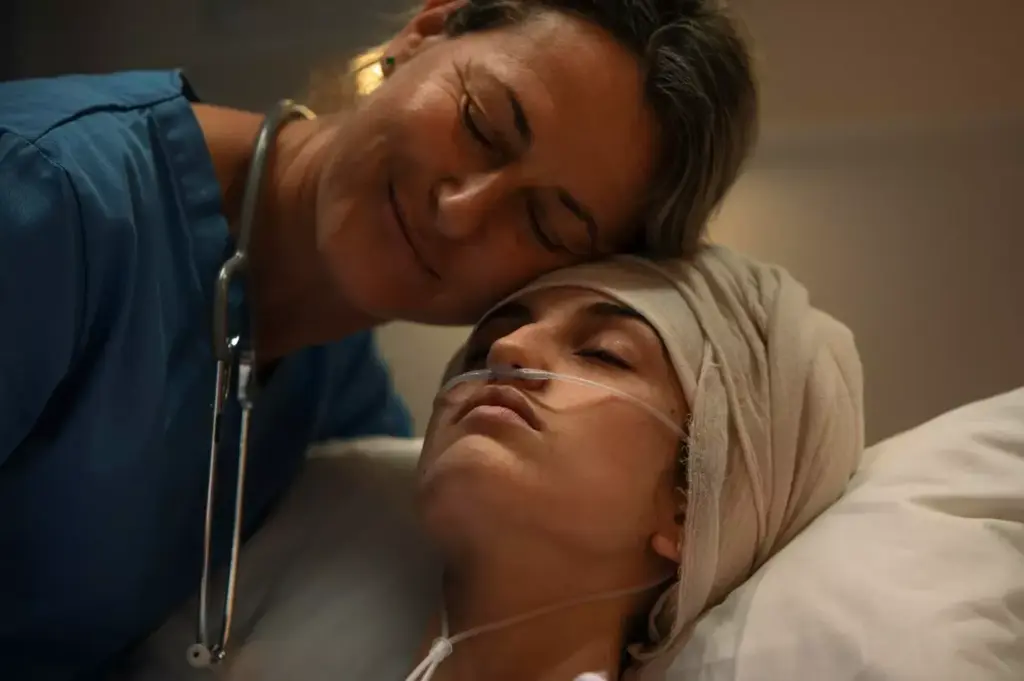
Some people experience long-term or late side effects after breast cancer treatment. These may vary depending on the type of treatment received.
Possible long-term effects include:
- Arm swelling (lymphedema)
- Joint stiffness
- Bone weakness
- Menopausal symptoms
- Memory or concentration difficulties
- Numbness or tingling in the hands and feet
Early recognition and proper medical care can help manage these symptoms effectively.
Returning to Daily Life
Many breast cancer survivors wonder when they can return to work, travel, exercise, or enjoy their regular routine again. The answer depends on individual recovery and medical advice.
Take things one step at a time. Gradually return to your daily responsibilities without placing too much pressure on yourself.
Remember to:
- Listen to your body’s signals.
- Take breaks when needed.
- Accept help from family or friends.
- Set realistic expectations.
- Celebrate every achievement, no matter how small.
Recovery is not a race. Progress happens at your own pace.
Staying Physically Active
Exercise is one of the best ways to improve physical and mental health after breast cancer treatment.
Regular physical activity can help:
- Increase energy levels
- Improve heart health
- Strengthen muscles and bones
- Maintain a healthy weight
- Reduce stress and anxiety
- Improve sleep quality
Always consult your doctor before starting a new exercise program. Begin with low-impact activities and gradually increase intensity as your strength improves.
Maintaining a Healthy Lifestyle
Healthy lifestyle habits reduce the risk of many chronic diseases and improve overall quality of life.
Some important habits include:
- Maintain a healthy body weight.
- Eat a balanced diet every day.
- Stay physically active.
- Avoid tobacco products.
- Limit alcohol intake.
- Manage stress effectively.
- Get adequate sleep every night.
These habits support long-term wellness and help you feel your best.
Building Confidence After Treatment
Breast cancer treatment may affect body image, self-confidence, and personal relationships. Surgical scars, hair loss, or physical changes can take time to accept.
Remember that healing involves both physical and emotional growth. Many survivors discover new strengths, priorities, and perspectives after completing treatment.
Confidence grows gradually through self-care, support from loved ones, and focusing on personal achievements rather than physical changes.
When to Contact Your Doctor
While recovery is generally smooth, certain symptoms should never be ignored.
Contact your healthcare provider if you notice:
- Persistent pain
- New lumps in the breast or chest area
- Swelling that worsens
- Difficulty breathing
- Unexplained weight loss
- High fever
- Persistent fatigue that continues to worsen
Early medical evaluation can help identify any issues before they become serious.
Looking Ahead With Hope
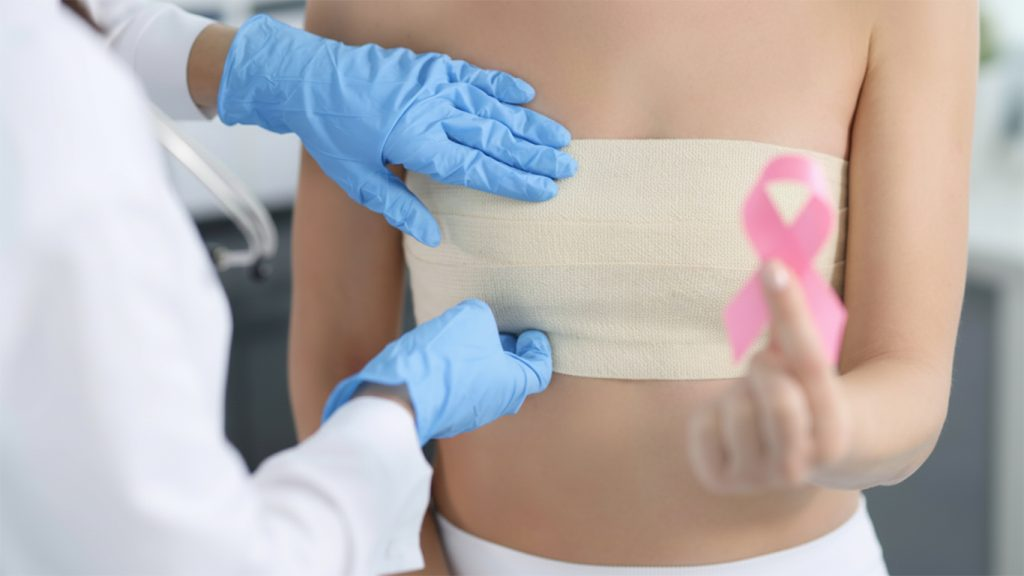
Life after breast cancer treatment in faridabad is about more than simply recovering from illness. It is an opportunity to rebuild strength, adopt healthier habits, and focus on overall well-being. Although the journey may include physical and emotional challenges, many survivors go on to lead active, fulfilling, and meaningful lives.
Recovery takes patience, determination, and support. By following your healthcare team’s recommendations, maintaining a healthy lifestyle, attending regular follow-up appointments, and caring for your emotional health, you can move forward with confidence.
Every step you take toward healing is a reminder of your resilience. With time, proper care, and a positive outlook, life after breast cancer treatment can be healthy, rewarding, and full of new possibilities.