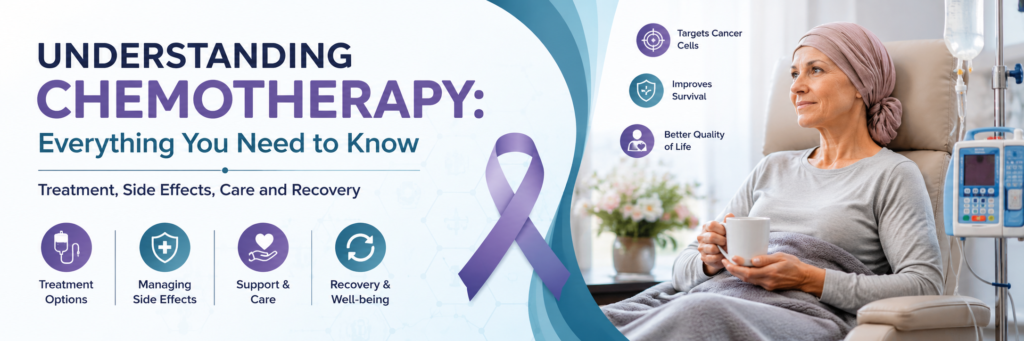
Chemotherapy for Stomach Cancer: A Complete Guide to Treatment and Recovery

Early Detection of Lung Cancer: Symptoms, Screening & Prevention
July 18, 2026
Targeted Therapy for Cancer: A Precision Medicine Guide
July 21, 2026
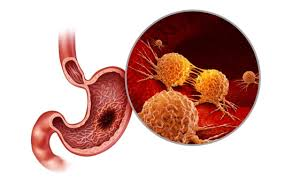
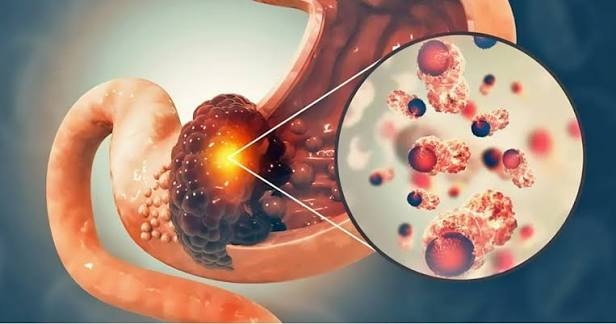
Understanding Stomach Cancer and Why Chemotherapy Matters
A diagnosis of stomach cancer can feel overwhelming, but advances in medical science have significantly improved treatment options and patient outcomes. Among these treatments, chemotherapy plays a vital role in controlling cancer, reducing symptoms, and improving survival rates. Depending on the stage of the disease, chemotherapy may be used before surgery, after surgery, or as the primary treatment when surgery is not possible.
Chemotherapy involves the use of powerful medications that destroy stomach cancer doctor in faridabad cells or prevent them from growing and spreading. While it can affect healthy cells as well, modern treatment plans are carefully designed to maximize effectiveness while minimizing side effects.
Understanding how chemotherapy works, what to expect during treatment, and how to recover afterward can help patients and their families feel more prepared throughout the journey.
READ MORE : Early Detection of Lung Cancer: Symptoms, Screening & Prevention
What Is Chemotherapy for Stomach Cancer?
Chemotherapy is a systemic treatment, meaning the drugs travel through the bloodstream to reach cancer cells throughout the body. Unlike surgery, which removes visible tumors, chemotherapy targets cancer cells that may have spread beyond the stomach.
Doctors recommend chemotherapy for different reasons, including:
- Shrinking a tumor before surgery
- Destroying remaining cancer cells after surgery
- Slowing the growth of advanced stomach cancer
- Reducing symptoms and improving quality of life
- Preventing cancer from returning
The treatment plan depends on several factors, including the stage of cancer, overall health, age, and the patient’s response to previous treatments.
When Is Chemotherapy Recommended?
Chemotherapy may be used at different stages of stomach cancer treatment.
Before Surgery (Neoadjuvant Chemotherapy)
This approach helps shrink the tumor, making surgery easier and increasing the chances of complete removal.
After Surgery (Adjuvant Chemotherapy)
Following surgery, chemotherapy helps eliminate microscopic cancer cells that may remain in the body, reducing the risk of recurrence.
For Advanced or Metastatic Cancer
If stomach cancer has spread to other organs, chemotherapy can slow disease progression, relieve symptoms, and extend survival.
Combined with Radiation Therapy
In certain cases, chemotherapy is given alongside radiation therapy to improve treatment effectiveness.
How Chemotherapy Is Administered
Chemotherapy drugs can be delivered in different ways depending on the treatment plan.
Common methods include:
- Intravenous (IV) infusion through a vein
- Oral chemotherapy tablets or capsules
- Central venous catheter or chemotherapy port for long-term treatment
Treatment is usually given in cycles. A cycle includes a treatment period followed by a rest period, allowing the body time to recover before the next session.
The number of cycles varies depending on the patient’s condition and response to therapy.
Common Chemotherapy Drugs Used for Stomach Cancer
Doctors often use a combination of medications rather than a single drug because combination therapy tends to produce better results.
Frequently used chemotherapy drugs include:
- Fluorouracil (5-FU)
- Capecitabine
- Cisplatin
- Oxaliplatin
- Docetaxel
- Paclitaxel
- Irinotecan
The exact combination is selected based on the patient’s diagnosis, overall health, and treatment goals.
What Happens Before Treatment Begins?
Before starting chemotherapy, several tests help doctors create the most effective treatment plan.
These may include:
- Blood tests
- CT scans or PET scans
- Endoscopy
- Biopsy reports
- Liver and kidney function tests
- Heart health evaluation if needed
Patients also meet with their oncology team to discuss medications, nutrition, possible side effects, and supportive care options.
What to Expect During Chemotherapy Sessions
Each chemotherapy session follows a structured process.
Patients generally experience the following:
- Health assessment before treatment
- Blood tests to ensure the body is ready
- Administration of anti-nausea medications
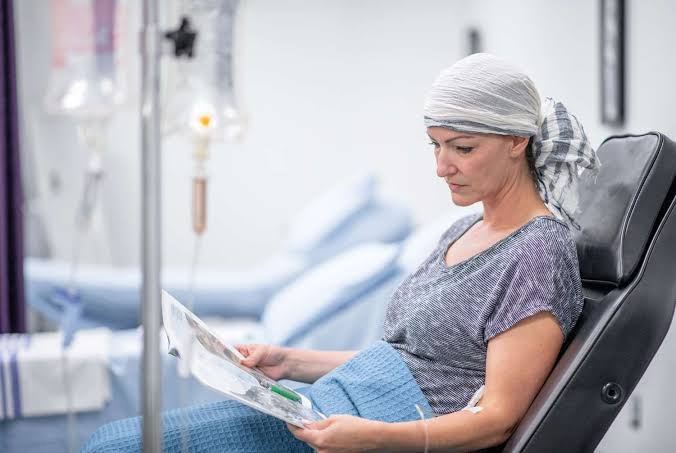
- Chemotherapy infusion
- Observation for any immediate reactions
- Discharge with home care instructions
Depending on the medications used, sessions may last from one hour to several hours.
Common Side Effects of Chemotherapy
Chemotherapy affects rapidly dividing cells, including healthy cells such as those in the hair follicles, digestive tract, and bone marrow.
Common side effects include:
- Fatigue
- Nausea and vomiting
- Loss of appetite
- Hair loss
- Mouth sores
- Diarrhea or constipation
- Increased risk of infections
- Easy bruising or bleeding
- Tingling or numbness in the hands and feet
Not every patient experiences all side effects, and many can be managed effectively with supportive medications and proper care.
Managing Side Effects Effectively
Managing side effects is an important part of successful treatment.
Helpful strategies include:
- Eat small, frequent meals.
- Drink plenty of fluids.
- Follow the nutrition plan recommended by your healthcare team.
- Take prescribed medications exactly as instructed.
- Maintain good oral hygiene.
- Get enough rest while staying physically active with light exercise.
- Report unusual symptoms immediately.
Early communication with the oncology team allows problems to be addressed before they become serious.
Nutrition During Chemotherapy
Proper nutrition supports healing, maintains strength, and helps patients tolerate treatment more effectively.
Recommended foods include:
- Lean proteins such as chicken, fish, and eggs
- Fresh fruits and vegetables
- Whole grains
- Healthy fats
- Dairy products if tolerated
- Plenty of water and clear fluids
Patients experiencing appetite loss may benefit from eating smaller meals throughout the day instead of three large meals.
A registered dietitian can provide personalized dietary recommendations based on individual needs.
Emotional Well-Being During Treatment
Cancer treatment affects emotional health as much as physical health.
Patients may experience:
- Anxiety
- Depression
- Fear of recurrence
- Stress
- Sleep disturbances
Support can come from:
- Family members
- Friends
- Oncology counselors
- Support groups
- Mental health professionals
Open communication and emotional support play an important role in recovery.
Recovery After Chemotherapy
Recovery is different for every patient. Some people begin feeling better within a few weeks, while others may need several months to regain their strength.
Recovery often includes:
- Gradual improvement in energy levels
- Better appetite
- Return of normal blood cell counts
- Hair regrowth
- Improved physical activity
- Regular follow-up appointments
Doctors monitor recovery with physical examinations, imaging studies, and laboratory tests.
Lifestyle Changes That Support Long-Term Health
Healthy habits can improve recovery and reduce the risk of future health problems.
Consider adopting these lifestyle changes:
- Maintain a balanced diet.
- Stay physically active.
- Avoid tobacco products.
- Limit alcohol consumption.
- Maintain a healthy body weight.
- Sleep seven to eight hours each night.
- Manage stress through relaxation techniques.
- Attend all scheduled follow-up visits.
These habits also contribute to overall well-being beyond cancer treatment.
Follow-Up Care After Treatment
Even after chemotherapy ends, regular monitoring remains essential.
Follow-up care may include:
- Physical examinations
- Blood tests
- Imaging scans
- Endoscopy when necessary
- Nutritional assessments
- Monitoring for late side effects
Routine follow-up helps detect any recurrence early and allows doctors to manage long-term health effectively.
Conclusion
Chemotherapy remains one of the most effective treatments for stomach cancer, whether used before surgery, after surgery, or for advanced disease. Although treatment can be physically and emotionally challenging, advances in best cancer doctor in faridabad have made chemotherapy safer, more targeted, and more manageable than ever before.
Understanding the treatment process, preparing for possible side effects, following a nutritious diet, staying physically active, and maintaining regular communication with the healthcare team can significantly improve both the treatment experience and recovery. Every patient’s journey is unique, but with the right medical care, emotional support, and healthy lifestyle choices, many individuals successfully navigate chemotherapy and move toward a healthier future.