Targeted Therapy for Cancer: A Precision Medicine Guide

Chemotherapy for Stomach Cancer: A Complete Guide to Treatment and Recovery
July 20, 2026
Chemotherapy Explained: Everything You Need to Know
July 21, 2026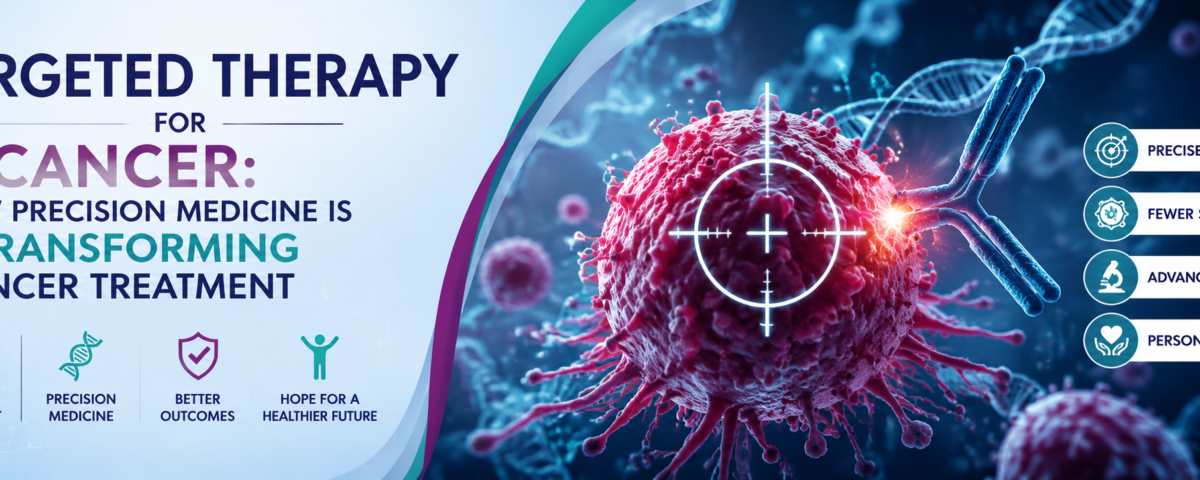
Cancer treatment has advanced significantly over the past few decades. Traditional treatment methods such as surgery, chemotherapy, and radiation therapy have helped millions of people fight cancer, but they are not always equally effective for every patient. Today, one of the most promising developments in oncology is targeted therapy, an approach that focuses on the unique genetic and molecular characteristics of cancer cells. Combined with precision medicine, targeted therapy is changing the way doctors diagnose and treat cancer while improving patient outcomes. Patients seeking advanced and personalized cancer care should also consult the best oncologist in faridabad to receive expert diagnosis, access to modern targeted therapies, and treatment plans tailored to their specific type of cancer.
Precision medicine recognizes that every person’s cancer is different. Instead of using a one-size-fits-all treatment plan, doctors can now analyze the genetic makeup of a patient’s tumor and recommend therapies designed specifically for that cancer. This personalized approach increases treatment effectiveness while reducing unnecessary damage to healthy cells.
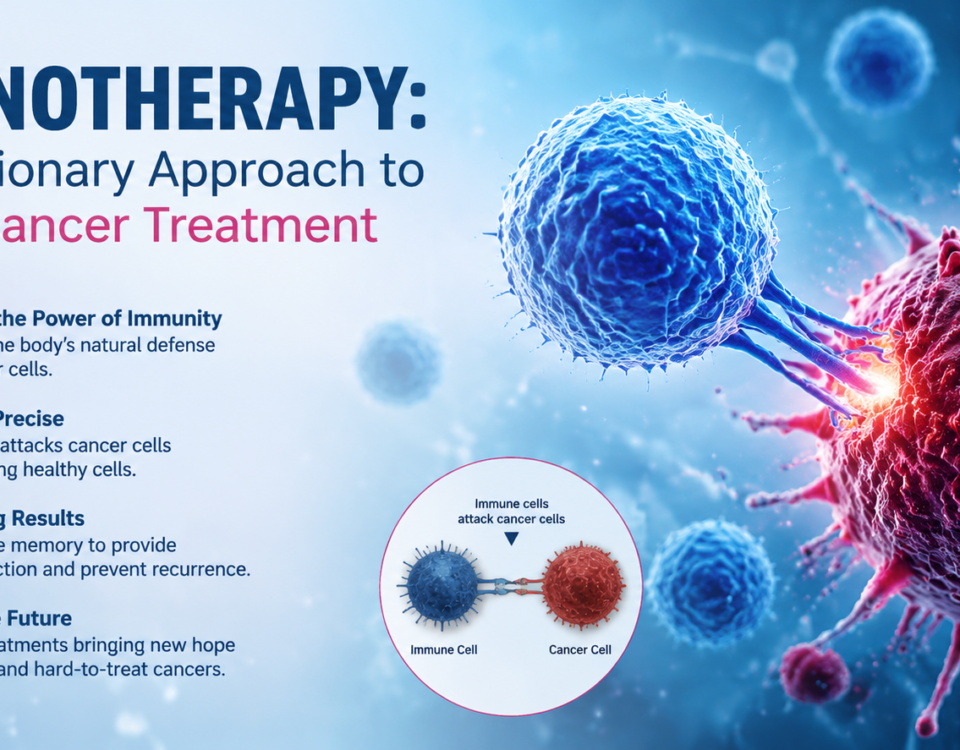
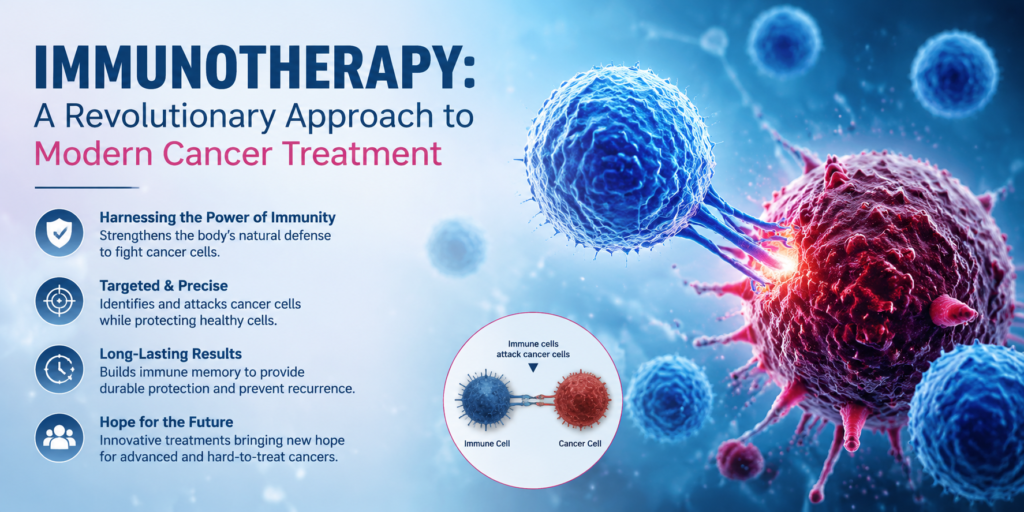
READ MORE : Immunotherapy: A New Era in Modern Cancer Treatment
Understanding Targeted Therapy
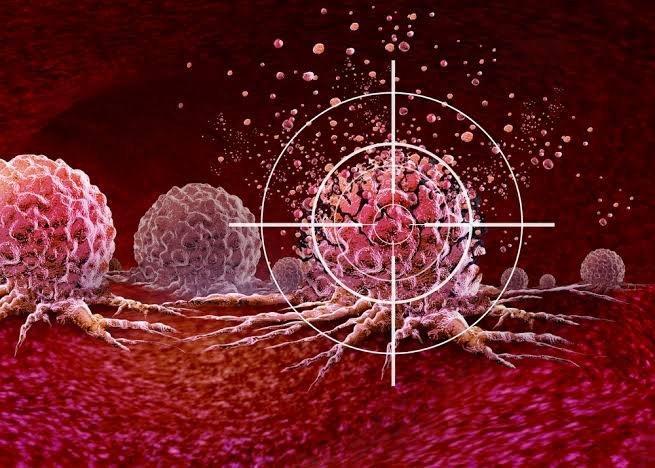
Targeted therapy is a type of cancer treatment that uses drugs or other substances to identify and attack specific molecules involved in the growth and spread of cancer cells. Unlike chemotherapy, which attacks rapidly dividing cells throughout the body, targeted therapy focuses on the biological processes that allow cancer cells to survive and multiply.
Cancer cells often contain genetic mutations or produce abnormal proteins that drive uncontrolled growth. Targeted therapies are designed to block these specific abnormalities, preventing cancer cells from growing while minimizing harm to normal tissues.
What Is Precision Medicine?
Precision medicine is an approach to healthcare that considers a patient’s genetic information, lifestyle, and environment to develop personalized treatment plans. In cancer care, precision medicine involves detailed testing of tumor samples to identify genetic mutations, biomarkers, and other molecular changes.
Doctors use this information to determine:
- The exact type of cancer
- Genetic mutations driving tumor growth
- The most effective targeted medications
- Potential resistance to certain treatments
- Expected response to therapy
This personalized approach allows patients to receive treatments tailored to their individual condition.
How Targeted Therapy Works
Targeted therapy interferes with the specific mechanisms cancer cells use to grow and spread. Depending on the type of cancer, different targeted drugs work in different ways.
Some targeted therapies:
- Block signals that tell cancer cells to grow.
- Prevent tumors from forming new blood vessels.
- Trigger cancer cell death.
- Deliver toxic substances directly to cancer cells.
- Help the immune system recognize cancer more effectively.
- Block proteins responsible for abnormal cell division.
Because these treatments focus on cancer-specific targets, they often produce fewer side effects than conventional chemotherapy.
Types of Targeted Therapy
Several types of targeted therapies are used in modern cancer treatment.
Monoclonal Antibodies
These laboratory-produced antibodies recognize specific proteins on cancer cells. Once attached, they may block growth signals, activate the immune system, or deliver medications directly to tumors.
Small Molecule Inhibitors
These drugs enter cancer cells and block proteins responsible for abnormal cell growth. They are commonly used for cancers with specific genetic mutations.
Angiogenesis Inhibitors
Tumors require a blood supply to grow. These drugs stop the formation of new blood vessels, limiting oxygen and nutrient delivery to cancer cells.
Hormone-Targeted Therapy
Some cancers rely on hormones for growth. Hormone-targeted therapies reduce hormone production or block hormone receptors, slowing cancer progression.
Cancers Commonly Treated with Targeted Therapy
Targeted therapy has become an important treatment option for many cancers, including:
- Breast cancer
- Lung cancer
- Colorectal cancer
- Leukemia
- Lymphoma
- Melanoma
- Kidney cancer
- Ovarian cancer
- Thyroid cancer
- Gastric cancer
Researchers continue to discover new targets, making this treatment available for an increasing number of cancer types.
Benefits of Targeted Therapy
Targeted therapy offers several advantages over traditional cancer treatments.
Greater Treatment Precision
By focusing only on cancer-specific abnormalities, targeted therapy attacks malignant cells while preserving healthy tissue.
Improved Treatment Outcomes
Patients with cancers that carry targetable mutations often experience better response rates compared to conventional treatment alone.
Reduced Side Effects
Because healthy cells are less affected, patients may experience fewer complications such as severe nausea, hair loss, and low blood counts.
Personalized Treatment
Every treatment plan is based on the patient’s unique tumor characteristics, improving the likelihood of successful therapy.
Combination with Other Treatments
Targeted therapy is often combined with surgery, chemotherapy, radiation therapy, or immunotherapy to improve overall treatment effectiveness.
The Role of Genetic Testing
Genetic and molecular testing plays a central role in precision medicine. Before recommending targeted therapy, doctors examine tumor samples to identify genetic mutations that can be treated with available medications.
Common testing methods include:
- Next-generation sequencing (NGS)
- Polymerase chain reaction (PCR)
- Fluorescence in situ hybridization (FISH)
- Immunohistochemistry (IHC)
- Liquid biopsy
These advanced tests help doctors select the most appropriate therapy while avoiding treatments unlikely to benefit the patient.
How Precision Medicine Improves Patient Care
Precision medicine is transforming every stage of cancer care.
Doctors can now:
- Detect specific genetic changes earlier.
- Predict treatment response more accurately.
- Monitor disease progression.
- Adjust treatment when resistance develops.
- Improve long-term disease management.
This individualized approach allows healthcare providers to make more informed treatment decisions throughout a patient’s cancer journey.
Possible Side Effects of Targeted Therapy
Although targeted therapy usually causes fewer side effects than chemotherapy, it is not completely free of risks.
Some patients may experience:
- Skin rash
- Fatigue
- High blood pressure
- Diarrhea
- Liver function changes
- Mouth sores
- Nail changes
- Bleeding problems
- Delayed wound healing
The type and severity of side effects depend on the specific medication being used. Most side effects can be managed with proper medical supervision.
Challenges of Targeted Therapy
Despite its remarkable success, targeted therapy has certain limitations.
Some challenges include:
- Not every cancer has an identifiable target.
- Genetic mutations may change over time.
- Cancer cells can develop resistance to treatment.
- Some targeted drugs remain expensive.
- Advanced genetic testing may not be available everywhere.
Researchers are actively working to overcome these challenges through ongoing clinical trials and the development of newer therapies.
The Future of Precision Medicine in Cancer Care
Precision medicine continues to evolve rapidly. Scientists are discovering new cancer biomarkers, improving genetic testing technologies, and developing next-generation targeted drugs.
Future advancements may include:
- Artificial intelligence-assisted treatment planning
- Faster genetic sequencing
- More personalized drug combinations
- Improved liquid biopsy technology
- Earlier cancer detection using molecular markers
- Better prediction of treatment response
These innovations have the potential to further improve survival rates and quality of life for cancer patients worldwide.
Lifestyle Still Matters During Treatment
While targeted therapy is highly advanced, maintaining a healthy lifestyle remains important throughout cancer treatment.
Patients should focus on:
- Eating a balanced and nutritious diet.
- Staying physically active as advised by their doctor.
- Getting enough sleep.
- Managing stress effectively.
- Attending all scheduled follow-up appointments.
- Taking medications exactly as prescribed.
- Reporting new symptoms promptly.
Healthy habits can support overall well-being and help patients better tolerate treatment.

Conclusion
Targeted therapy and precision medicine represent one of the greatest breakthroughs in modern cancer treatment. By understanding the unique genetic characteristics of each patient’s cancer, doctors can provide highly personalized therapies that improve treatment effectiveness while reducing unnecessary side effects. Although challenges such as treatment resistance and limited accessibility remain, ongoing research continues to expand the possibilities of precision oncology.
Targeted therapy and precision medicine represent one of the greatest breakthroughs in modern cancer treatment. By understanding the unique genetic characteristics of each patient’s cancer, doctors can provide highly personalized therapies that improve treatment effectiveness while reducing unnecessary side effects. Although challenges such as treatment resistance and limited accessibility remain, ongoing research continues to expand the possibilities of precision oncology. Patients looking for targeted therapy treatment in faridabad can benefit from personalized treatment strategies that are designed according to the specific genetic profile of their cancer, helping improve outcomes while minimizing unnecessary side effects.