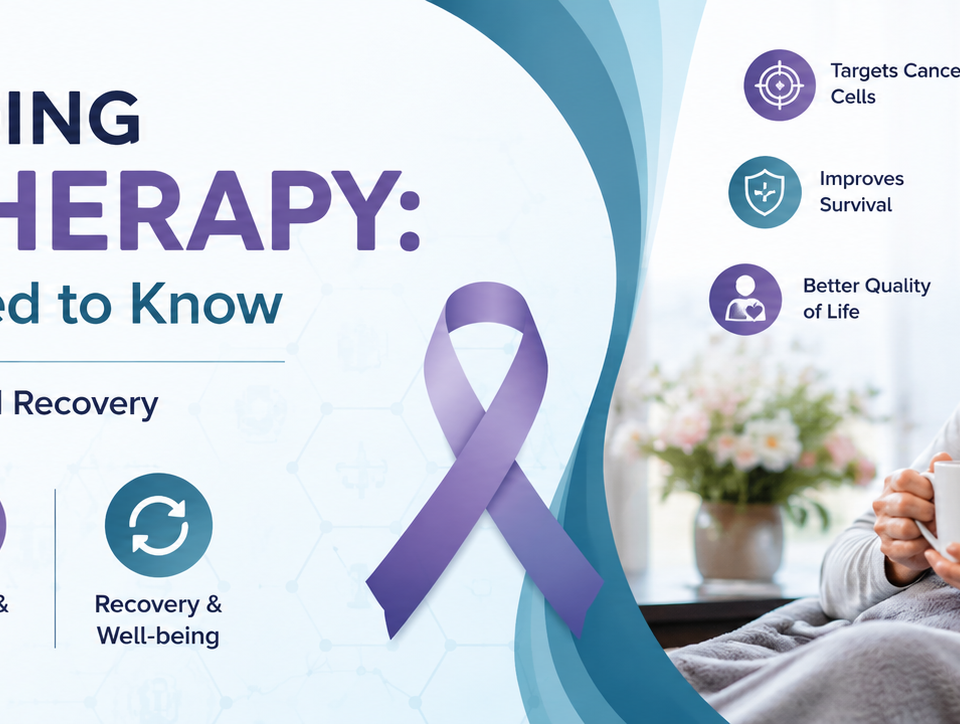
Radiation Therapy: Everything You Need to Know Before Treatment

Chemotherapy Explained: Everything You Need to Know
July 21, 2026
Immunotherapy: A New Era in Modern Cancer Treatment
July 24, 2026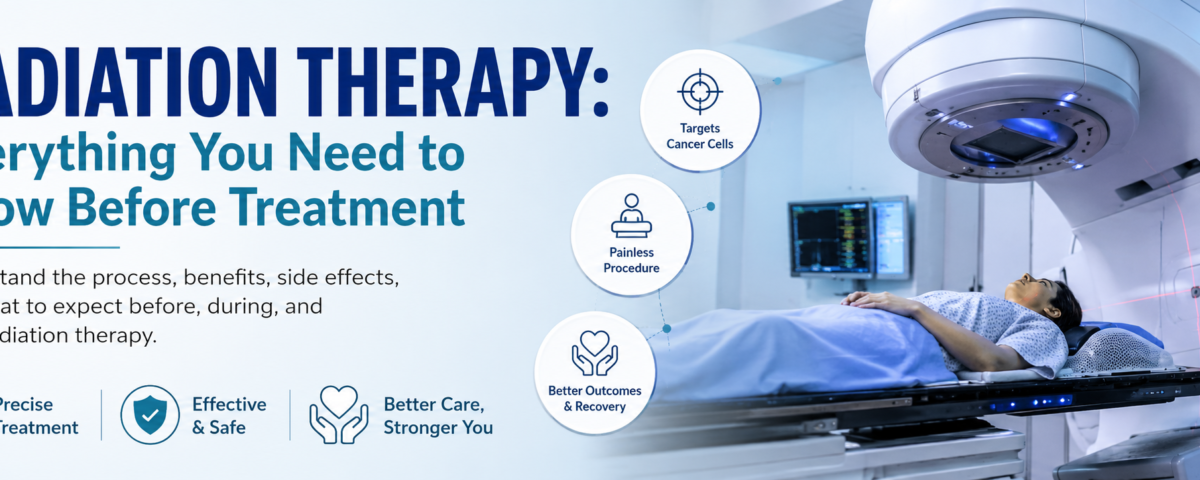
Radiation therapy is one of the most effective and widely used cancer treatments available today. It uses carefully controlled doses of high-energy radiation to destroy cancer cells, shrink tumors, and prevent cancer from spreading. Modern radiation therapy has become more precise than ever before, allowing doctors to target cancer while minimizing damage to surrounding healthy tissues. If you have been advised to undergo radiation therapy, consulting the best oncologist in faridabad can help you understand your treatment options, create a personalized care plan, and improve the chances of achieving the best possible outcomes.
For many patients, hearing that radiation therapy is part of their treatment plan can be overwhelming. However, understanding how the treatment works, what to expect, and how to prepare can reduce anxiety and help patients feel more confident throughout the process.
This guide explains everything you need to know before starting radiation therapy, including its purpose, preparation, treatment process, possible side effects, and recovery tips.
READ MORE : Chemotherapy Explained: Everything You Need to Know
What Is Radiation Therapy?
Radiation therapy is a medical treatment that uses high-energy rays or particles to damage the DNA of cancer cells. Once the DNA is damaged, the cancer cells lose their ability to grow and divide, eventually leading to their destruction.
Unlike chemotherapy, which affects the entire body, radiation therapy is usually a localized treatment. It focuses on a specific area where cancer is present, making it highly effective for many types of cancers.
Radiation therapy may be used:
- As the primary treatment for cancer
- Before surgery to shrink a tumor
- After surgery to destroy remaining cancer cells
- Along with chemotherapy
- To relieve symptoms caused by advanced cancer
Types of Radiation Therapy
The type of radiation therapy recommended depends on the type, size, and location of the cancer.
External Beam Radiation Therapy
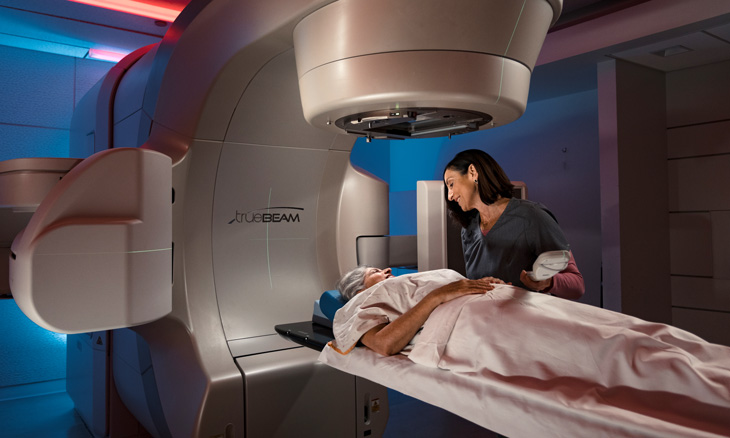
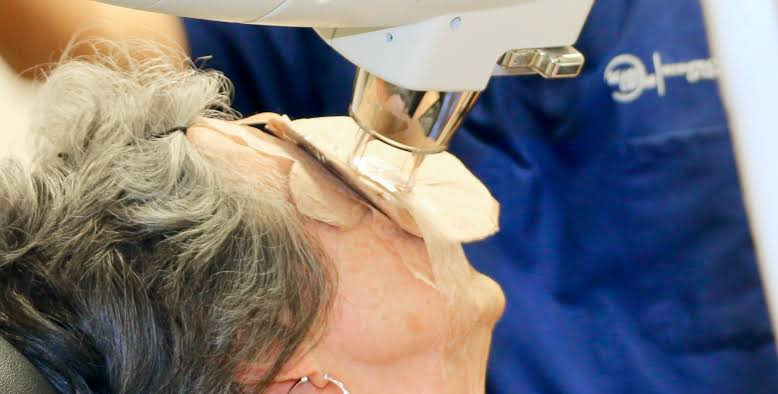
This is the most common type of radiation therapy. A machine directs high-energy beams toward the tumor without touching the patient. Each treatment session is painless and usually lasts only a few minutes.
Internal Radiation Therapy (Brachytherapy)
In this treatment, radioactive material is placed inside or very close to the tumor. This allows a high dose of radiation to reach the cancer while limiting exposure to nearby healthy tissues.
Systemic Radiation Therapy
Certain cancers are treated using radioactive medicines that travel through the bloodstream to target cancer cells throughout the body. These medicines may be given by mouth or injection.
When Is Radiation Therapy Recommended?
Doctors may recommend radiation therapy for many different types of cancer, including:
- Breast cancer
- Lung cancer
- Prostate cancer
- Cervical cancer
- Brain tumors
- Head and neck cancers
- Rectal cancer
- Skin cancer
- Lymphoma
The treatment plan is personalized based on the patient’s overall health, cancer stage, and treatment goals.
How Radiation Therapy Works
Radiation damages the genetic material inside cancer cells, making it impossible for them to continue growing. While healthy cells may also be exposed to some radiation, they usually recover much faster than cancer cells.
The effects of radiation therapy are gradual. Cancer cells die over days or weeks, and treatment is often given in multiple sessions to maximize effectiveness while allowing healthy tissue time to recover.
Preparing for Radiation Therapy
Proper preparation helps ensure that treatment is accurate and effective.
Before beginning treatment, patients usually undergo several planning procedures.
- Physical examination
- Medical history review
- Blood tests
- CT scan
- MRI scan
- PET scan if required
- Simulation session to determine treatment position
- Skin marking or customized positioning devices
The simulation appointment is especially important because it allows the medical team to identify the exact area that requires treatment.
What Happens During Treatment?
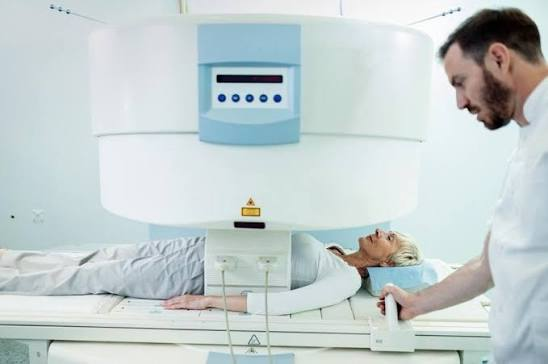
Most patients receive radiation therapy as an outpatient procedure, meaning they can return home after each session.
A typical treatment appointment includes the following steps:
- Changing into a hospital gown if necessary
- Positioning on the treatment table
- Alignment using lasers or imaging technology
- Delivery of radiation from the treatment machine
- Completion of the session within 10 to 30 minutes
The radiation itself is painless. Patients do not see, hear, or feel the radiation during treatment.
Although the treatment session is short, careful positioning may take additional time to ensure maximum accuracy.
How Long Does Radiation Therapy Last?
The duration of treatment depends on several factors, including:
- Type of cancer
- Tumor size
- Treatment goals
- Radiation dose required
- Overall treatment plan
Some patients receive a single treatment, while others undergo daily sessions five days a week for several weeks.
The radiation oncologist will explain the schedule before treatment begins.
Common Side Effects of Radiation Therapy
Side effects vary depending on the area being treated, the radiation dose, and the individual’s overall health.
Some common side effects include:
- Fatigue
- Skin redness
- Dry or itchy skin
- Hair loss in the treated area
- Swelling
- Appetite changes
- Difficulty swallowing if the throat is treated
- Diarrhea if the abdomen or pelvis is treated
- Mouth soreness during head and neck treatment
Most side effects improve gradually after treatment ends.
Skin Care During Radiation Therapy
The skin in the treatment area becomes more sensitive during radiation therapy.
Patients should follow these recommendations:
- Wash gently with mild soap.
- Avoid scrubbing the treated area.
- Wear loose, comfortable clothing.
- Protect the skin from direct sunlight.
- Avoid applying creams unless approved by the medical team.
- Keep the skin clean and dry.
Proper skin care can reduce irritation and improve comfort throughout treatment.
Nutrition During Radiation Therapy
A balanced diet supports healing and helps maintain strength.
Patients should focus on:
- Eating protein-rich foods
- Drinking plenty of water
- Including fruits and vegetables
- Choosing whole grains
- Eating smaller meals if appetite decreases
- Limiting processed foods when possible
A dietitian may recommend personalized meal plans based on treatment needs.
Managing Fatigue
Fatigue is one of the most common side effects of radiation therapy.
Helpful strategies include:
- Getting adequate sleep
- Taking short rest breaks during the day
- Staying physically active with light exercise
- Eating nutritious meals
- Drinking enough fluids
- Asking family members for assistance with daily activities
Many patients notice their energy gradually returns after treatment is completed.
Emotional Well-Being During Treatment
Cancer treatment can affect emotional health as much as physical health.
Patients may experience:
- Anxiety
- Stress
- Fear
- Sadness
- Uncertainty
Talking with healthcare providers, family members, counselors, or support groups can provide emotional comfort throughout the treatment journey.
Practicing relaxation techniques such as meditation, deep breathing, or gentle yoga may also help reduce stress.
Safety During Radiation Therapy
Many patients worry about becoming radioactive after treatment.
For external beam radiation therapy, patients are not radioactive after each session. They can safely spend time with family, children, and pets.
For certain internal or systemic radiation treatments, doctors may provide temporary safety instructions regarding close contact with others.
Conclusion
Radiation therapy is an essential part of cancer care that has helped millions of patients achieve better treatment outcomes. Advances in technology have made modern radiation therapy treatment in faridabad more accurate, effective, and safer than ever before. Although every patient’s experience is different, understanding the treatment process can reduce uncertainty and improve confidence.
By preparing for treatment, following medical advice, maintaining a healthy lifestyle, and attending regular follow-up appointments, patients can better manage the treatment journey and support their recovery. Open communication with the healthcare team is the key to addressing concerns, managing side effects, and achieving the best possible results throughout radiation therapy.