Chemotherapy Explained: Everything You Need to Know

Targeted Therapy for Cancer: A Precision Medicine Guide
July 21, 2026
Radiation Therapy: Everything You Need to Know Before Treatment
July 21, 2026
Cancer treatment has advanced significantly over the years, offering patients more effective options and improved outcomes. Among the most widely used treatments is chemotherapy, a medical therapy that uses powerful drugs to destroy or slow the growth best oncologist in faridabad. While chemotherapy has been a cornerstone of cancer care for decades, many people still have questions about how it works, what to expect, and how to manage its side effects.
Understanding chemotherapy can help reduce fear and uncertainty for patients and their families. This guide explains the purpose of chemotherapy, how it is administered, its benefits, possible side effects, and practical tips for maintaining health throughout treatment.
READ MORE : Radiation Therapy: Everything You Need to Know Before Treatment
What Is Chemotherapy?
Chemotherapy is a type of cancer treatment that uses medications to destroy rapidly dividing cancer cells. Since cancer cells multiply faster than most normal cells, chemotherapy drugs target these rapidly growing cells to prevent them from spreading throughout the body.
Depending on the type and stage of cancer, chemotherapy may be used alone or combined with other treatments such as surgery, radiation therapy, immunotherapy, or targeted therapy.
Doctors carefully design chemotherapy treatment plans based on:
- Type of cancer
- Stage of cancer
- Overall health of the patient
- Age
- Previous treatments
- Medical history
Every chemotherapy plan is personalized to achieve the best possible outcome.
How Does Chemotherapy Work?
Chemotherapy drugs travel through the bloodstream, allowing them to reach cancer cells throughout the body. These drugs interfere with the cancer cells’ ability to grow and divide, eventually causing them to die.
Because chemotherapy affects rapidly growing cells, some healthy cells may also be impacted, including those found in:
- Hair follicles
- Bone marrow
- Digestive tract
- Mouth lining
- Skin
This explains why chemotherapy often causes temporary side effects such as hair loss, fatigue, and digestive problems.
Why Is Chemotherapy Recommended?
Doctors recommend chemotherapy for different reasons depending on the patient’s condition.
Common purposes include:
- Destroying cancer cells completely
- Preventing cancer from spreading
- Shrinking tumors before surgery
- Eliminating remaining cancer cells after surgery
- Relieving symptoms in advanced cancer
- Reducing the risk of cancer recurrence
The treatment goal may be curative, preventive, or palliative depending on each patient’s diagnosis.
Types of Chemotherapy
Chemotherapy can be administered in several ways depending on the cancer type and medication being used.
Common methods include:
Intravenous (IV) Chemotherapy
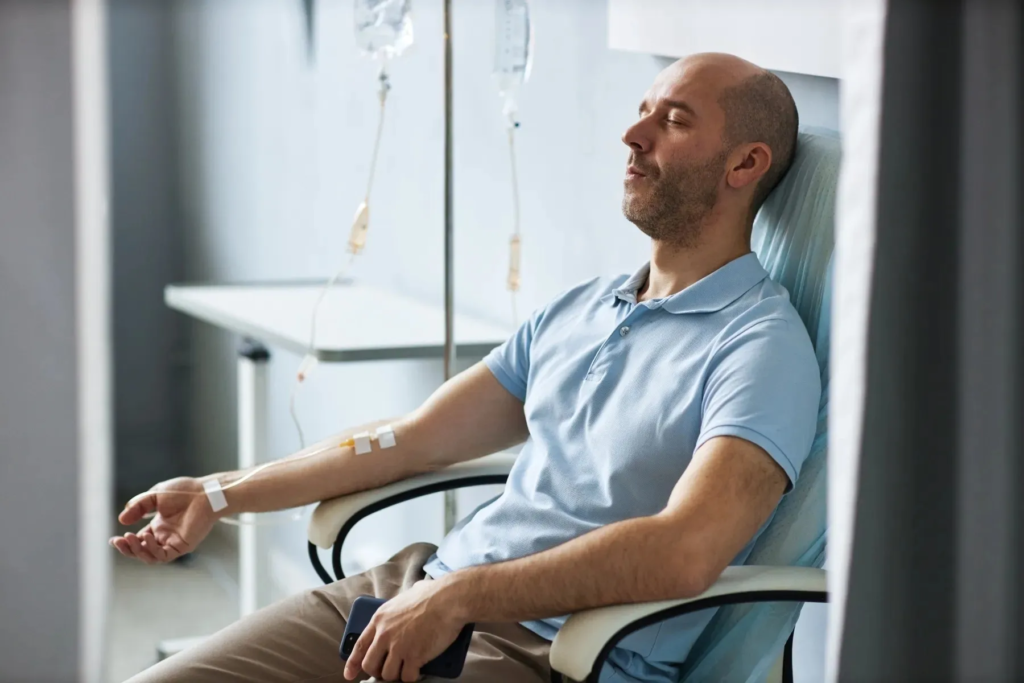
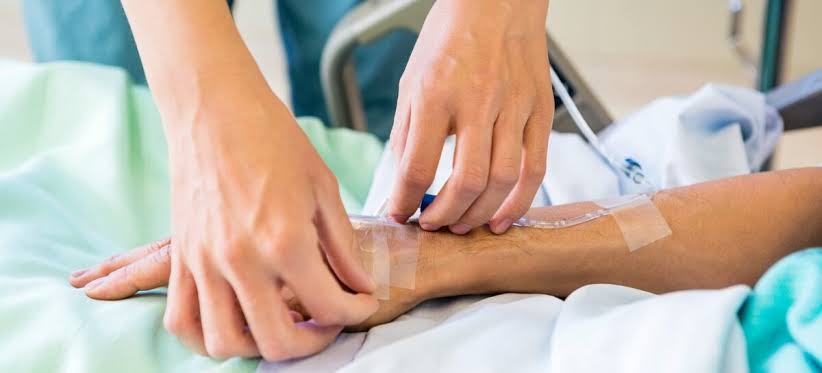
This is the most common method where medications are delivered directly into a vein through an IV drip or infusion pump.
Oral Chemotherapy
Some chemotherapy drugs come in tablet or capsule form that patients can take at home according to their doctor’s instructions.
Injection
Certain chemotherapy medications are injected into muscles or under the skin.
Topical Chemotherapy
Creams or ointments containing chemotherapy drugs may be used for specific skin cancers.
Regional Chemotherapy
In some cases, chemotherapy is delivered directly to a specific body area, such as the abdomen, spinal fluid, or bladder.
What Happens Before Chemotherapy?
Before treatment begins, patients undergo several medical evaluations to ensure chemotherapy is safe and appropriate.
These may include:
- Physical examination
- Blood tests
- Imaging scans
- Kidney and liver function tests
- Heart function assessment
- Discussion of treatment goals
Doctors also explain possible side effects and provide instructions on preparing for treatment sessions.
What to Expect During Chemotherapy
The treatment experience varies depending on the type of medication and method of administration.
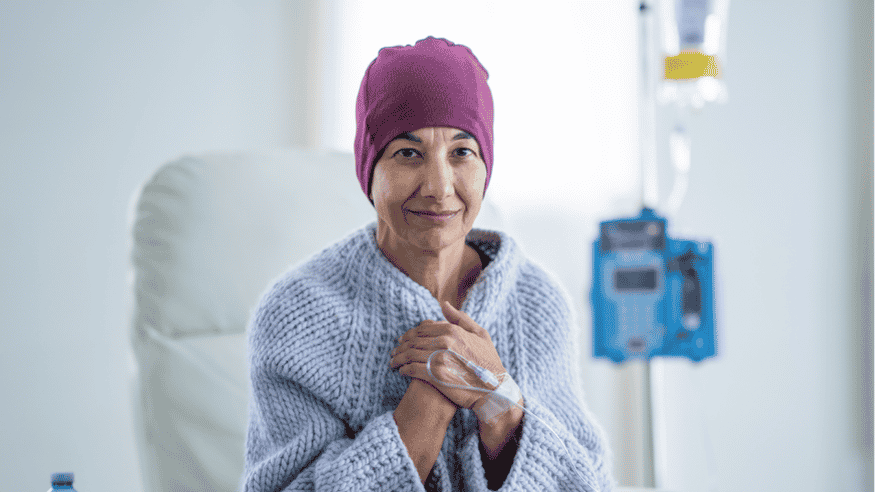
A chemotherapy session may last anywhere from a few minutes to several hours. Some patients receive treatment daily, weekly, or every few weeks in cycles that allow the body time to recover between sessions.
During treatment, healthcare professionals monitor patients closely to ensure medications are administered safely and to manage any immediate reactions.
Many patients are able to read, listen to music, or rest during their chemotherapy sessions.
Common Side Effects of Chemotherapy
Not everyone experiences the same side effects. Their severity depends on the type of chemotherapy drug, dosage, and individual health.
Common side effects include:
- Fatigue
- Hair loss
- Nausea and vomiting
- Loss of appetite
- Mouth sores
- Diarrhea or constipation
- Increased risk of infections
- Easy bruising or bleeding
- Changes in taste
- Skin and nail changes
Fortunately, many side effects are temporary and improve after treatment ends.
Managing Chemotherapy Side Effects
Doctors provide medications and supportive care to help patients manage treatment-related symptoms.
Helpful strategies include:
- Drink plenty of fluids.
- Eat small, balanced meals throughout the day.
- Get adequate rest.
- Stay physically active with light exercise if approved by your doctor.
- Practice good oral hygiene.
- Wash hands frequently to reduce infection risk.
- Report unusual symptoms promptly.
- Follow medication schedules carefully.
Modern cancer care focuses not only on treating cancer but also on improving patients’ comfort and quality of life.
Nutrition During Chemotherapy
Good nutrition plays an important role in supporting recovery and maintaining strength during treatment.
Patients should aim for a balanced diet that includes:
- Fresh fruits and vegetables
- Whole grains
- Lean proteins
- Healthy fats
- Dairy or calcium-rich alternatives
- Plenty of water
If appetite becomes poor, eating smaller meals more frequently may be easier than consuming large meals.
Patients experiencing significant weight loss or nutritional challenges may benefit from consulting a registered dietitian.
Emotional Well-Being During Treatment
A cancer diagnosis can affect emotional health as much as physical health.
Many patients experience:
- Anxiety
- Fear
- Depression
- Stress
- Uncertainty
Emotional support can come from:
- Family members
- Friends
- Support groups
- Oncology counselors
- Mental health professionals
Maintaining open communication with healthcare providers can also reduce anxiety and improve overall well-being.

Can You Continue Daily Activities?
Many people continue working or participating in daily activities during chemotherapy, although adjustments may be necessary depending on energy levels.
Patients should:
- Listen to their body’s signals.
- Avoid overexertion.
- Prioritize rest when needed.
- Maintain regular sleep habits.
- Accept help from family and friends.
Every person’s experience with chemotherapy is unique, and activity levels vary throughout treatment.
Monitoring Progress During Chemotherapy
Doctors regularly evaluate how well chemotherapy is working through various tests.
These may include:
- Blood tests
- CT scans
- MRI scans
- PET scans
- Physical examinations
- Tumor marker tests
Treatment plans may be adjusted based on how the cancer responds and how well the patient tolerates therapy.
Advances in Chemotherapy
Cancer treatment continues to evolve, making chemotherapy more effective and manageable than ever before.
Recent advances include:
- Better anti-nausea medications
- More targeted chemotherapy drugs
- Personalized treatment plans
- Improved supportive care
- Combination therapies with immunotherapy
- Reduced treatment-related complications
These developments have improved survival rates and enhanced quality of life for many cancer patients.
When to Contact Your Healthcare Provider
Patients should immediately contact their medical team if they experience:
- High fever
- Difficulty breathing
- Severe vomiting
- Persistent diarrhea
- Unusual bleeding
- Severe pain
- Sudden swelling
- Signs of infection
- Confusion or dizziness
Prompt medical attention can prevent complications and ensure timely treatment.
Life After Chemotherapy
Recovery after chemotherapy varies from person to person. Some side effects resolve within weeks, while others may take several months to improve.
Follow-up care often includes:
- Regular medical checkups
- Blood tests
- Imaging studies
- Healthy lifestyle changes
- Cancer screening
- Long-term monitoring
Maintaining a nutritious diet, regular physical activity, and ongoing communication with healthcare providers supports long-term recovery and overall health.
Conclusion
Chemotherapy remains one of the most effective treatments for many types of cancer. Although the journey may involve physical and emotional challenges, advances in medical care have made treatment safer, more personalized, and more manageable than ever before. Understanding how chemotherapy works, preparing for possible side effects, and following your healthcare team’s recommendations can help improve both treatment outcomes and quality of life. For patients seeking chemotherapy treatment in faridabad, consulting experienced oncology specialists can ensure personalized care and effective treatment planning. Every patient’s cancer journey is unique, and with the right medical support, education, and emotional care, chemotherapy can play a vital role in achieving successful cancer treatment and recovery.