Immunotherapy: A New Era in Modern Cancer Treatment

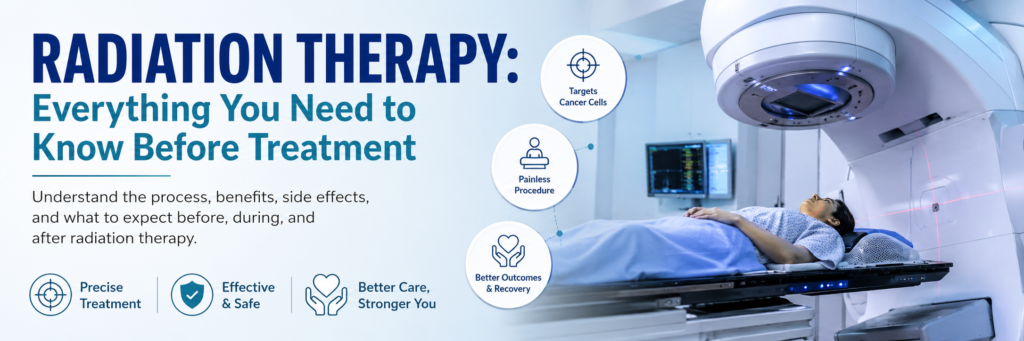
Radiation Therapy: Everything You Need to Know Before Treatment
July 21, 2026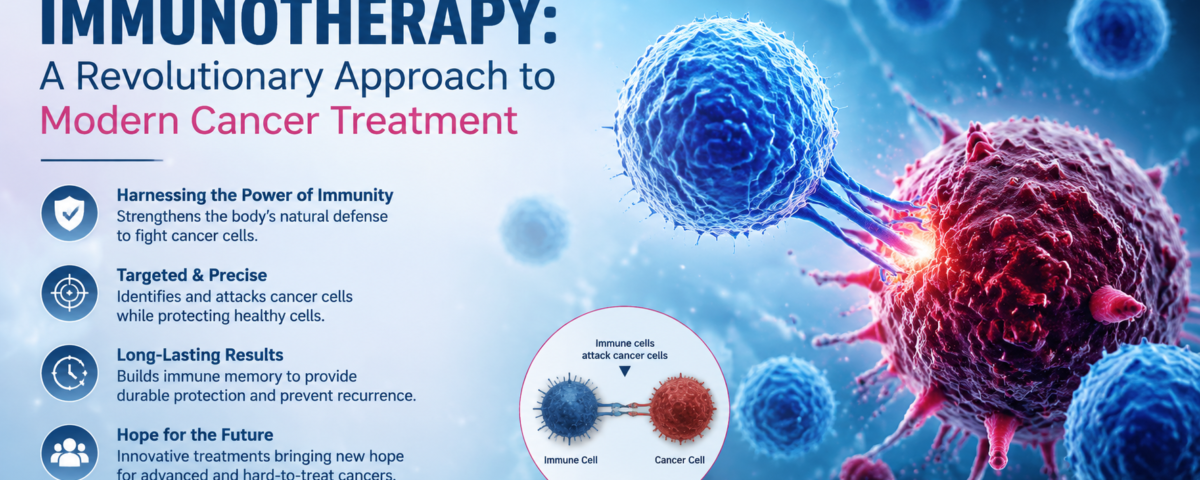
Introduction
Cancer treatment has evolved significantly over the past few decades. While traditional methods like surgery, chemotherapy, and radiation therapy have helped millions of patients, researchers continue to search for treatments that are more targeted, effective, and less harmful to healthy tissues. One of the most promising breakthroughs in modern oncology is immunotherapy, a revolutionary approach that uses the body’s own immune system to identify and fight cancer cells. With advancements in cancer care, consulting the best oncologist in faridabad can help patients understand advanced treatment options and choose the most suitable approach based on their condition.
Unlike conventional treatments that directly attack tumors, immunotherapy empowers the immune system to recognize cancer as a threat and destroy malignant cells naturally. This innovative treatment approach has changed the way doctors understand and manage various types of cancers, offering new hope to patients with advanced and difficult-to-treat conditions.
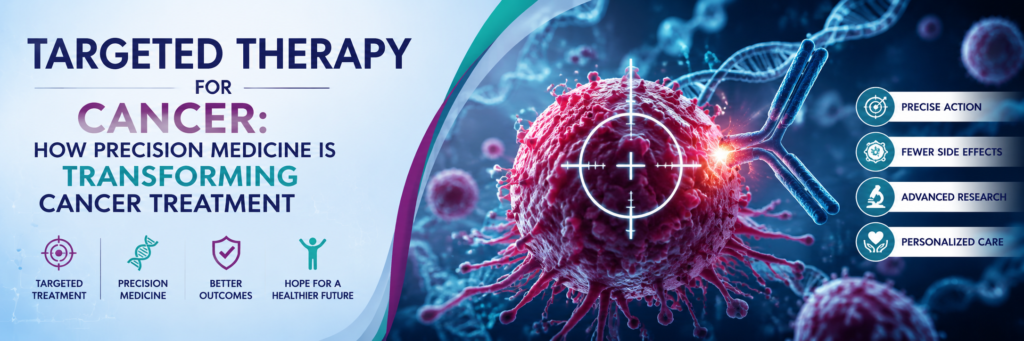
READ MORE : Targeted Therapy for Cancer: A Precision Medicine Guide
What Is Immunotherapy?
Immunotherapy is a type of cancer treatment that stimulates or enhances the immune system’s ability to fight cancer. The immune system is the body’s natural defense mechanism responsible for protecting against infections, viruses, and abnormal cells. However, cancer cells can sometimes avoid detection by developing ways to hide from immune responses.
Immunotherapy works by removing these barriers and helping immune cells identify and attack cancer cells more effectively. It can be used alone or combined with other treatments such as chemotherapy, radiation therapy, or targeted therapy to improve outcomes.
How Does Immunotherapy Work Against Cancer?
Cancer cells are different from normal cells because they grow uncontrollably and can spread to other parts of the body. The immune system usually identifies abnormal cells, but cancer cells can create signals that prevent immune attacks.
Immunotherapy helps overcome this challenge through different mechanisms:
1. Boosting Immune System Activity
Some immunotherapy treatments strengthen immune cells, especially T-cells, which play an important role in destroying harmful cells. By increasing their ability to recognize cancer, these treatments allow the immune system to respond more effectively.
2. Blocking Cancer’s Defense Mechanisms
Cancer cells often use special proteins called immune checkpoints to avoid being attacked. Immune checkpoint inhibitors block these proteins, allowing immune cells to recognize and destroy cancer cells.
3. Training the Immune System
Certain immunotherapies work like vaccines by teaching the immune system to identify specific cancer markers. This helps create a long-lasting immune response against cancer cells.
Types of Immunotherapy Used in Cancer Treatment
Several types of immunotherapy have been developed, each working in a different way.
Immune Checkpoint Inhibitors
Immune checkpoint inhibitors are among the most successful immunotherapy treatments. They block signals that cancer cells use to escape immune detection. These therapies have shown positive results in cancers such as melanoma, lung cancer, kidney cancer, bladder cancer, and some forms of breast cancer.
CAR T-Cell Therapy
CAR T-cell therapy is an advanced form of immunotherapy where a patient’s own T-cells are collected, genetically modified in a laboratory, and returned to the body. These modified cells are designed to recognize and attack cancer cells more efficiently.
This therapy has produced remarkable results, especially in certain blood cancers like leukemia and lymphoma.
Cancer Vaccines
Cancer vaccines help train the immune system to recognize cancer-related substances. Some vaccines are designed to prevent cancer, while others help treat existing cancer by improving immune responses.
Monoclonal Antibodies
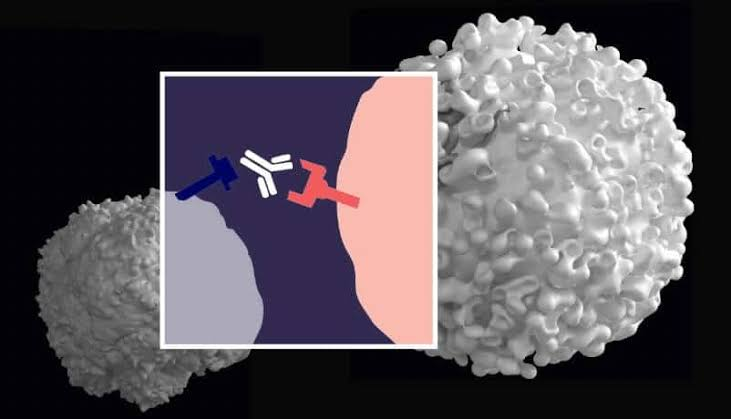
Monoclonal antibodies are laboratory-created molecules designed to target specific proteins found on cancer cells. They can directly block cancer growth or mark cancer cells so that immune cells can destroy them.
Cytokine Therapy
Cytokines are proteins that help regulate immune responses. Cytokine therapy uses these natural substances to stimulate immune activity against cancer cells.
Benefits of Immunotherapy in Cancer Treatment
Immunotherapy has introduced several advantages compared to traditional cancer treatments.
Targeted Cancer Fighting
One of the biggest benefits of immunotherapy is its ability to specifically target cancer cells. Unlike chemotherapy, which can damage healthy cells along with cancer cells, immunotherapy focuses on improving the immune system’s natural ability to identify harmful cells.
Long-Lasting Effects
Some patients experience long-term benefits from immunotherapy even after treatment ends. This happens because the immune system can develop memory, allowing it to recognize and attack cancer cells if they return.
Effective for Advanced Cancers
Immunotherapy has provided new treatment options for patients with advanced-stage cancers that may not respond well to conventional therapies. Many patients who previously had limited options have achieved improved survival outcomes through immunotherapy.
Combination Treatment Possibilities
Immunotherapy can be combined with chemotherapy, radiation therapy, or targeted therapies to create stronger treatment strategies. These combinations may increase the effectiveness of cancer care.
Challenges and Limitations of Immunotherapy
Although immunotherapy is a groundbreaking advancement, it is not suitable for every cancer patient. Researchers are still working to understand why some patients respond well while others do not.
Some challenges include:
Side Effects
Because immunotherapy activates the immune system, it can sometimes cause the immune system to attack healthy organs. Side effects may include skin reactions, fatigue, inflammation, digestive problems, and hormonal changes.
Treatment Response Variation
Not all cancers respond equally to immunotherapy. Factors such as cancer type, genetic changes, and the patient’s overall health can influence treatment effectiveness.
High Treatment Costs
Advanced immunotherapy treatments, especially personalized therapies like CAR T-cell therapy, can be expensive and may not be available in all healthcare facilities.
The Future of Immunotherapy in Cancer Care
The future of cancer treatment is moving toward personalized medicine, where therapies are designed according to individual patient needs. Immunotherapy plays a major role in this transformation.
Scientists are continuously developing new approaches to make immunotherapy more effective, safer, and accessible. Future advancements may include:
- Personalized cancer vaccines based on individual tumor characteristics
- Improved CAR T-cell therapies for solid tumors
- Artificial intelligence-based prediction of treatment responses
- Combination therapies that enhance immune activity
- New immune-based treatments for cancers that currently have limited options
With ongoing research, immunotherapy has the potential to become a central part of cancer treatment strategies worldwide.

Conclusion
Immunotherapy represents one of the most significant breakthroughs in modern cancer treatment. By using the power of the immune system, it offers a new way to fight cancer that is more targeted and innovative than many traditional approaches.
Although challenges such as side effects, treatment availability, and variable responses remain, continuous research is expanding its possibilities. From immuneImmunotherapy checkpoint inhibitors to advanced CAR T-cell therapy, immunotherapy treatment in faridabad is helping transform cancer care by offering advanced treatment options and providing renewed hope for millions of patients. With expert medical guidance, patients can explore the benefits of immunotherapy as part of a personalized cancer treatment plan.
As science continues to advance, immunotherapy may become an even more powerful tool in the fight against cancer, bringing us closer to more effective, personalized, and life-changing treatments.