Skin Cancer Treatment in Faridabad: Important Things to Know

Immunotherapy: A New Era in Modern Cancer Treatment
July 24, 2026
Pancreatic Cancer Treatment: Everything You Need to Know
July 29, 2026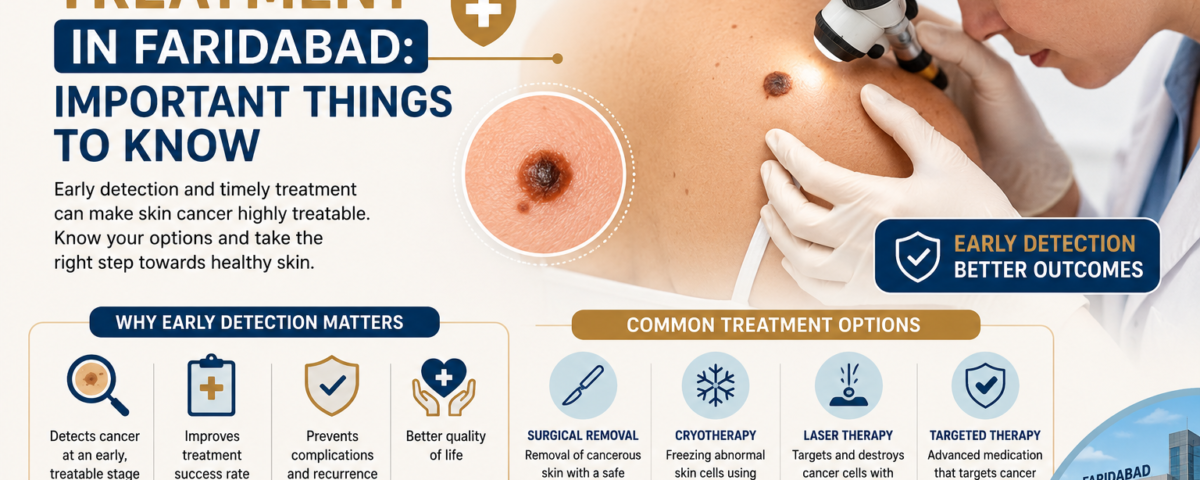
Skin cancer is one of the most common types of cancer that affects people worldwide. It occurs when abnormal skin cells grow uncontrollably due to factors such as excessive sun exposure, genetic changes, or damage to skin cells. Seeking timely medical advice for skin cancer treatment in faridabad can help in early detection and effective management. Early detection and timely medical care play an important role in managing skin cancer effectively.
With advancements in medical technology, various treatment options are now available to help patients manage different types and stages of skin cancer. Understanding the symptoms, diagnosis process, and available treatments can help individuals make informed decisions about their health.
READ MORE : Immunotherapy: A New Era in Modern Cancer Treatment
Understanding Skin Cancer and Its Types
Skin cancer develops when skin cells begin to multiply abnormally and form harmful growths. It can appear on any part of the body but is commonly found in areas exposed to sunlight, such as the face, neck, arms, and hands.
The main types of skin cancer include:
- Basal cell carcinoma: This is the most common type of skin cancer and usually grows slowly. It often appears as a small bump, sore, or skin-colored growth.
- Squamous cell carcinoma: This type develops in the outer layers of the skin and may grow faster than basal cell carcinoma if left untreated.
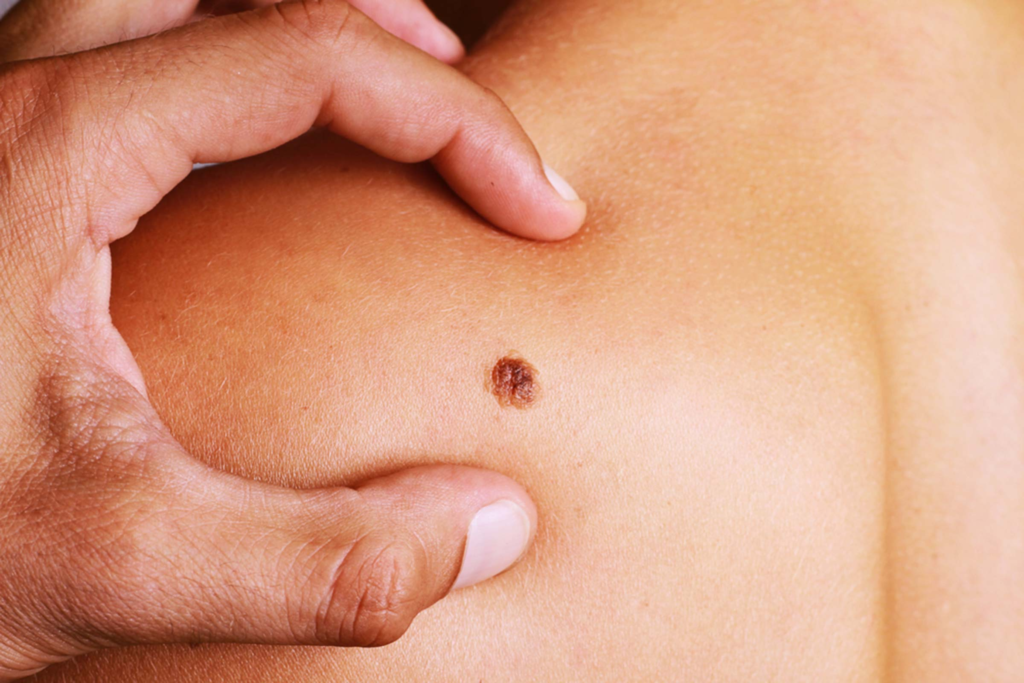
- Melanoma: This is a more serious form of skin cancer that develops in pigment-producing cells. Early diagnosis is important because melanoma can spread to other parts of the body.
Understanding the type of skin cancer helps doctors decide the most suitable treatment approach.
Common Symptoms of Skin Cancer
Recognizing early signs of skin cancer can help with timely diagnosis and treatment. Some common symptoms include:
- A new growth or unusual mark on the skin
- Changes in the size, shape, or color of a mole
- A wound or sore that does not heal
- Persistent itching, bleeding, or pain in a skin area
- Changes in existing moles or spots
- A rough or scaly patch on the skin
Any unusual skin changes should be checked by a qualified healthcare professional for proper evaluation.
Importance of Early Diagnosis
Early diagnosis is one of the most important factors in successful skin cancer treatment. When detected at an early stage, many skin cancers can be treated effectively with better outcomes.
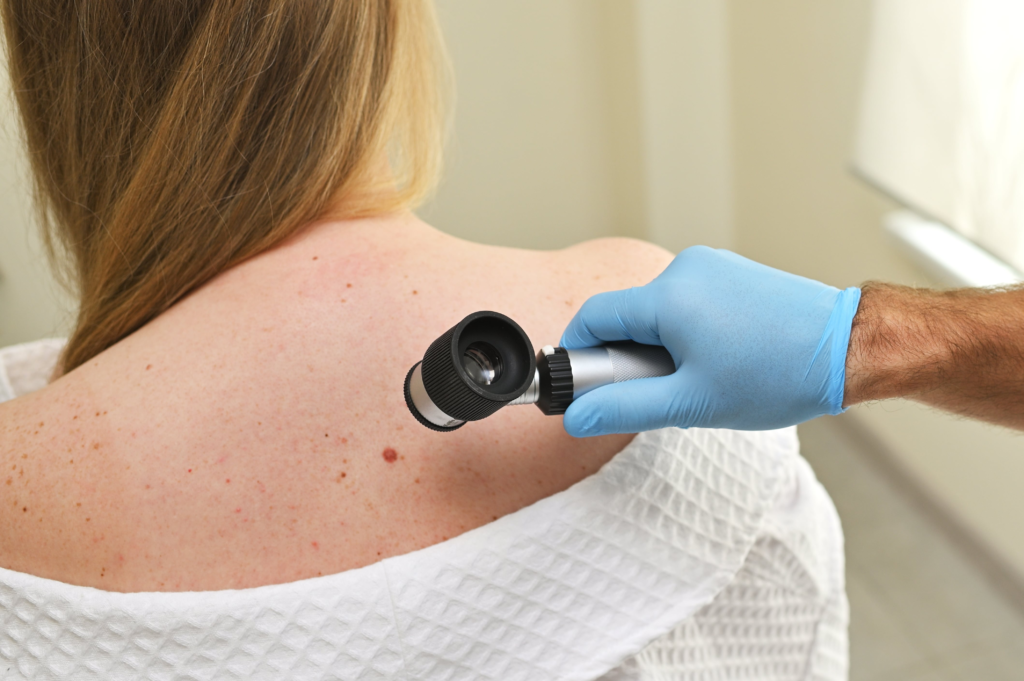
Doctors usually begin the diagnosis process with a detailed skin examination. If an abnormal area is found, additional tests may be recommended to confirm the condition.
Common diagnostic methods include:
- Physical examination of the skin
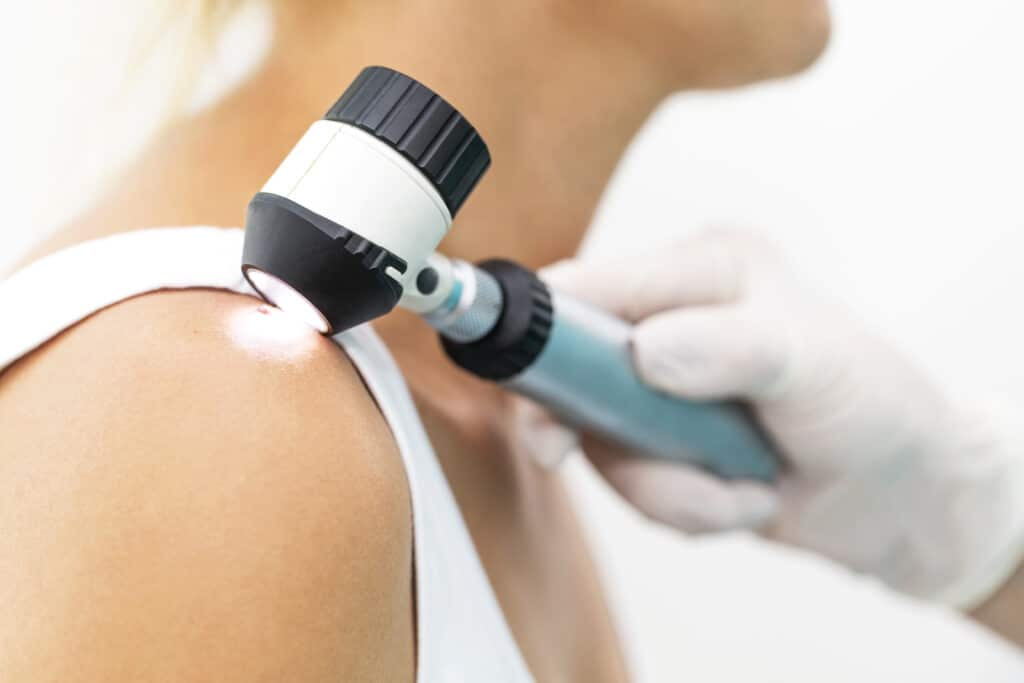
- Dermoscopy to examine skin lesions in detail
- Skin biopsy to check abnormal cells
- Imaging tests in advanced cases
A proper diagnosis helps doctors understand the type and stage of cancer and create an appropriate treatment plan.
Skin Cancer Treatment Options
Skin cancer treatment depends on various factors, including the type of cancer, location, size, and stage of the disease. A specialist may recommend one or more treatment methods based on the patient’s condition.
Some common treatment options include:
Surgical Removal
Surgery is one of the most widely used methods for treating skin cancer. During this procedure, doctors remove the cancerous tissue along with some surrounding healthy skin to reduce the chances of recurrence.
Different surgical techniques may be used depending on the cancer type and location.
Mohs Surgery
Mohs surgery is an advanced technique used for certain skin cancers, especially those located in sensitive areas like the face. This procedure removes cancer cells layer by layer while preserving as much healthy skin as possible.
It is often recommended when precision and tissue preservation are important.
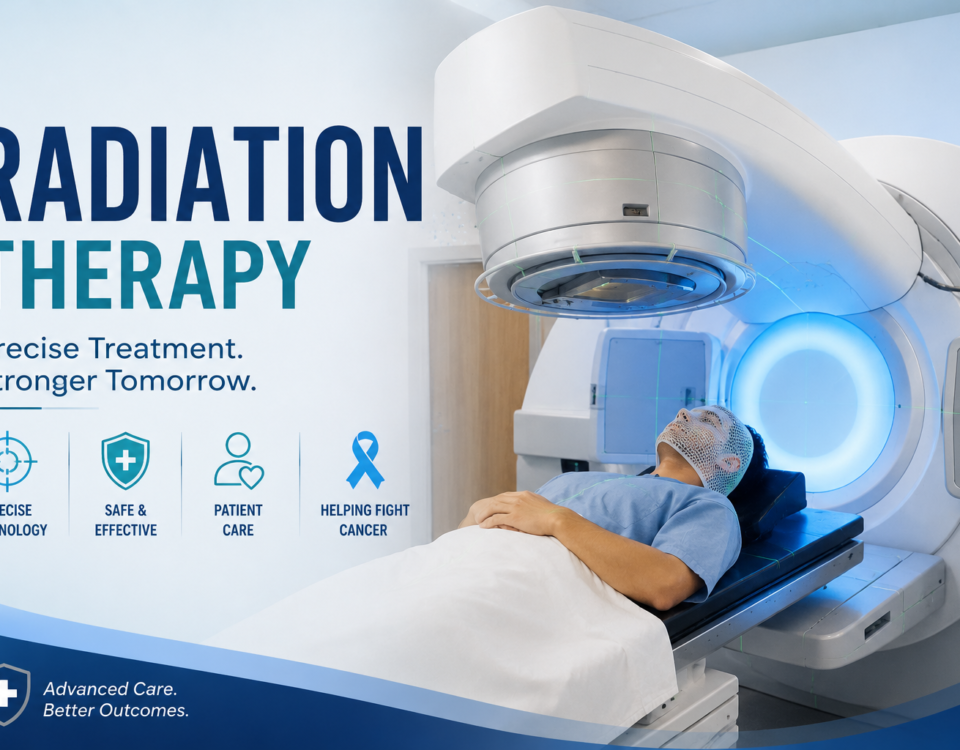
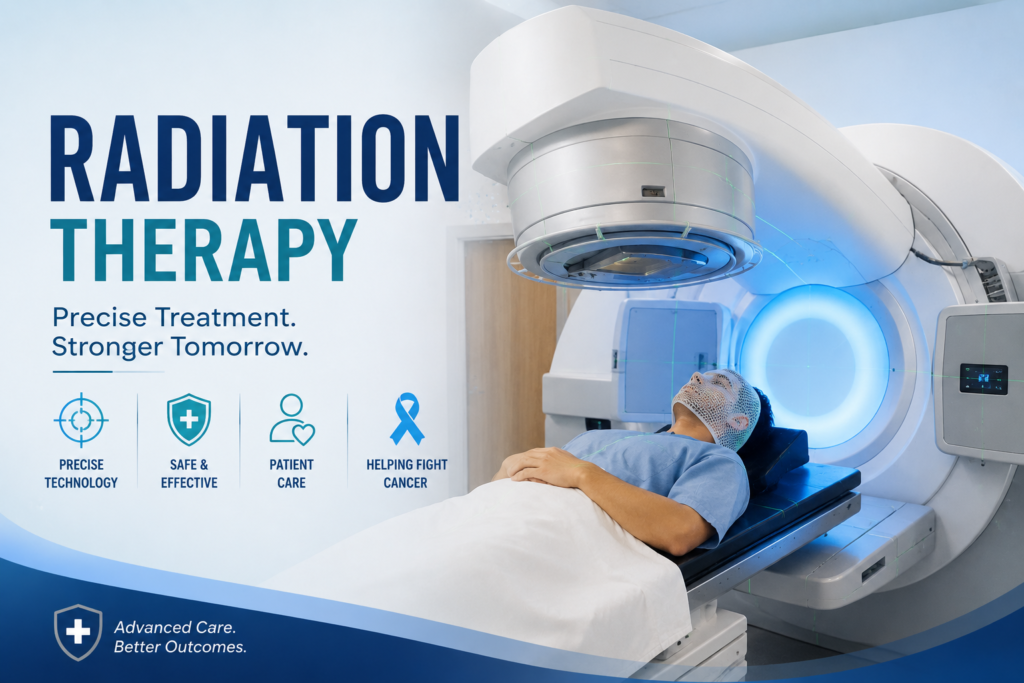
Radiation Therapy
Radiation therapy uses targeted energy beams to destroy cancer cells. It may be recommended for patients who cannot undergo surgery or when cancer has spread to nearby areas.
This treatment is planned carefully to target affected cells while protecting surrounding tissues.
Chemotherapy
Chemotherapy involves using medicines to destroy cancer cells. It may be used for certain advanced skin cancers or when cancer has spread to other parts of the body.
The treatment plan depends on the patient’s overall health and cancer condition.
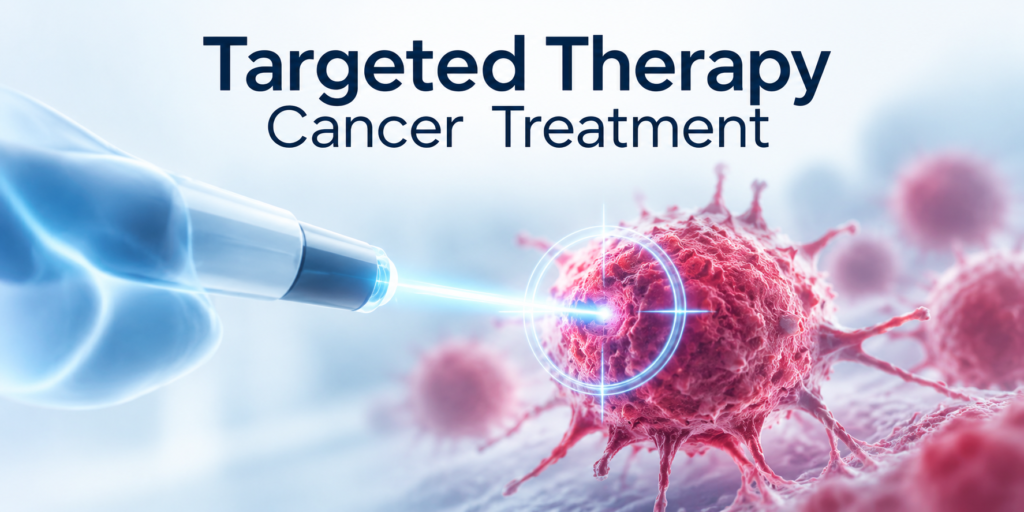
Immunotherapy
Immunotherapy helps strengthen the body’s immune system so it can identify and fight cancer cells more effectively. It is commonly considered for some advanced forms of skin cancer.
Advancements in cancer care have made immunotherapy an important option for selected patients.
Factors Affecting Skin Cancer Treatment
The treatment approach for skin cancer varies from person to person. Doctors consider several factors before recommending a treatment plan, such as:
- Type and stage of skin cancer
- Location and size of the affected area
- Patient’s age and overall health
- Previous treatment history
- Risk of cancer spreading
A personalized treatment plan helps provide better results and improves patient care.
Choosing the Right Skin Cancer Treatment in Faridabad
Finding the right healthcare provider is an important step for patients dealing with skin cancer. A specialized medical team can provide accurate diagnosis, advanced treatment options, and continuous support throughout the treatment journey.
People looking for skin cancer treatment in Faridabad should consider healthcare facilities that offer:
- Experienced dermatologists and cancer specialists
- Advanced diagnostic facilities
- Modern treatment techniques
- Personalized care plans
- Proper follow-up support
Consulting a qualified specialist at the right time can help patients receive appropriate care and improve treatment outcomes.
Preventive Measures for Skin Cancer
While not all cases of skin cancer can be prevented, certain lifestyle habits can help reduce the risk.
Important preventive steps include:
- Avoid excessive sun exposure, especially during peak sunlight hours
- Use sunscreen with suitable SPF regularly
- Wear protective clothing and sunglasses outdoors
- Avoid artificial tanning methods
- Perform regular skin checks
- Visit a doctor if you notice unusual skin changes
Taking care of your skin and monitoring changes regularly can support early detection.
Importance of Regular Skin Checkups
Regular skin examinations are beneficial, especially for people with a higher risk of developing skin cancer. Individuals with a history of excessive sun exposure, previous skin conditions, or family history of skin cancer should be more careful about monitoring their skin health.
A routine checkup allows doctors to identify suspicious changes early and recommend suitable treatment if needed.
Conclusion
Skin cancer can be effectively managed when diagnosed and treated at the right time. With advanced medical procedures and improved treatment methods, patients have access to several options depending on their condition.
Choosing professional skin cancer treatment in faridabad can help individuals receive proper diagnosis, expert guidance, and suitable care. If you notice any unusual changes in your skin, consulting a healthcare specialist early can make a significant difference in managing the condition. Regular checkups, preventive care, and awareness are key steps toward maintaining healthy skin.