How Does Targeted Therapy Work in Cancer Treatment?

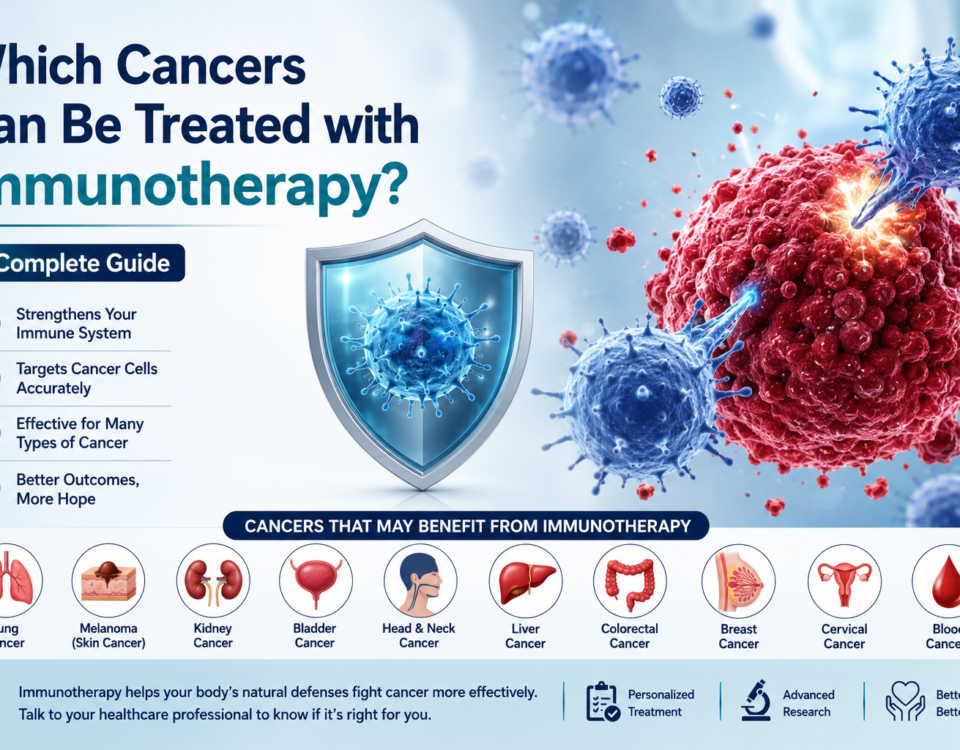
Which Cancers Can Be Treated with Immunotherapy? A Complete Guide
August 3, 2026
Radiation Therapy Explained: Process, Benefits and Uses
August 10, 2026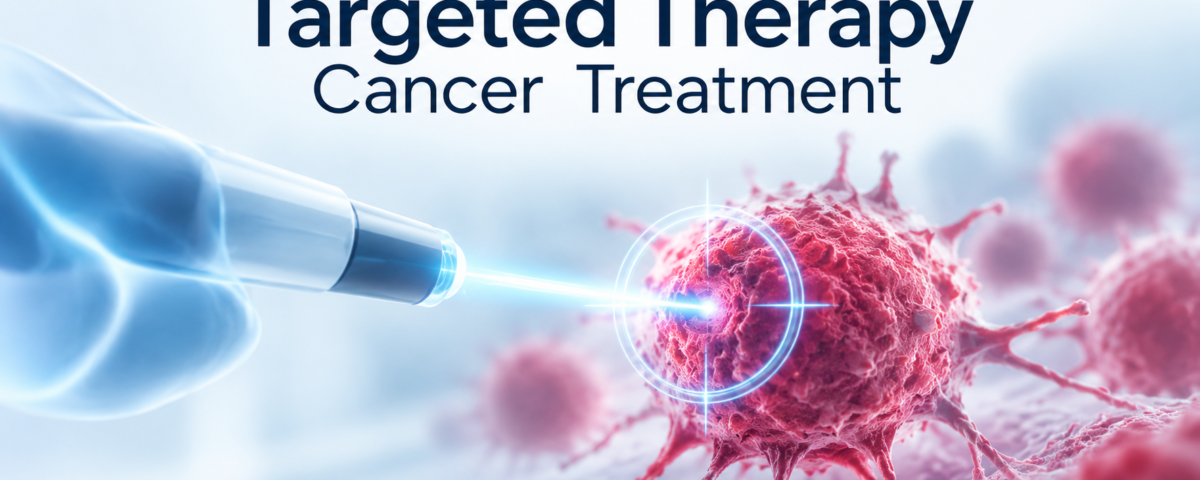
Cancer treatment has advanced significantly over the last few decades. While traditional treatments like chemotherapy and radiation therapy remain important, newer approaches are providing more personalized and effective care. One of these innovations is targeted therapy cancer treatment a treatment designed to attack specific molecules that help cancer cells grow and spread. Unlike conventional chemotherapy, which affects both healthy and cancerous cells, targeted therapy focuses on particular genetic or molecular changes within cancer cells.
READ MORE : Which Cancers Can Be Treated with Immunotherapy? A Complete Guide
This personalized approach has improved treatment outcomes for many patients while reducing damage to healthy tissues. Understanding how targeted therapy works can help patients and their families make informed decisions about cancer treatment.
What Is Targeted Therapy?
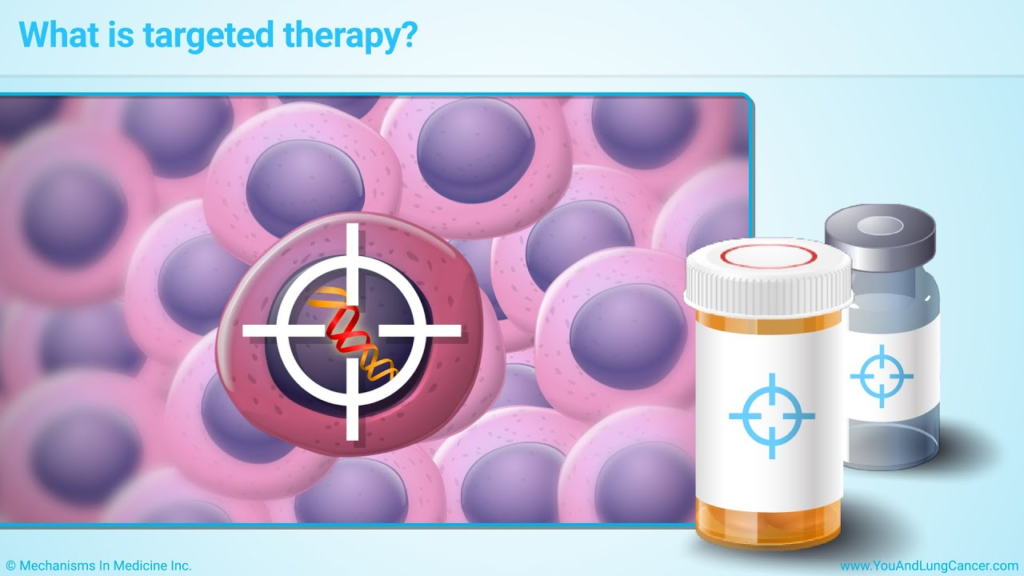
Targeted therapy is a type of cancer treatment that uses drugs or other substances to identify and attack specific proteins, genes, or pathways responsible for cancer growth. Every type of cancer has unique genetic characteristics. Scientists study these characteristics to develop medications that specifically block the abnormal signals allowing cancer cells to multiply.
Rather than destroying all rapidly dividing cells like chemotherapy, targeted therapy interferes with the processes that cancer cells depend on for survival. This makes the treatment more precise and often results in fewer side effects.
How Does Targeted Therapy Work?
Targeted therapy works by identifying specific abnormalities in cancer cells and preventing them from growing. Depending on the type of cancer, targeted therapy may work in several ways.
1. Blocking Cell Growth Signals
Cancer cells often receive constant signals telling them to divide. Targeted therapy blocks these signals, slowing or stopping tumor growth.
2. Preventing Blood Vessel Formation
Tumors need oxygen and nutrients to survive. Some targeted therapy drugs prevent the formation of new blood vessels that supply tumors, effectively starving cancer cells.
3. Triggering Cancer Cell Death
Certain targeted medicines activate natural processes inside cancer cells, causing them to die without harming nearby healthy cells.
4. Delivering Medicine Directly to Cancer Cells
Some targeted therapies act like guided missiles by attaching to cancer cells and delivering treatment directly where it is needed.
5. Supporting the Immune System
Some targeted treatments help the immune system recognize and destroy cancer cells more effectively.
Who Can Receive Targeted Therapy?
Not every patient is eligible for targeted therapy. Doctors usually perform specialized laboratory tests to determine whether a tumor contains specific genetic mutations or proteins that can be targeted.
Targeted therapy is commonly used for cancers such as:
- Breast cancer
- Lung cancer
- Colorectal cancer
- Melanoma
- Leukemia
- Lymphoma
- Kidney cancer
- Ovarian cancer
- Thyroid cancer
Personalized testing helps determine whether targeted therapy is the most suitable treatment option.
Types of Targeted Therapy
There are two main categories of targeted therapy.
Monoclonal Antibodies
These laboratory-made proteins attach to specific targets found on cancer cells. They may block growth signals, mark cancer cells for immune destruction, or deliver medications directly to tumors.
Small Molecule Inhibitors
These drugs enter cancer cells and block internal pathways responsible for cell growth and survival. They are often taken as tablets or capsules.
Both types are carefully designed to interfere with specific cancer-related processes.
Benefits of Targeted Therapy
Targeted therapy offers several advantages over traditional cancer treatments.
Greater Precision
The treatment specifically attacks cancer cells while minimizing damage to normal tissues.
Improved Effectiveness
Patients with cancers carrying specific genetic mutations often experience better treatment outcomes.
Reduced Side Effects
Although side effects can still occur, they are generally different and often less severe than those associated with chemotherapy.
Personalized Treatment
Each patient’s cancer is unique. Targeted therapy allows treatment plans to be customized based on the tumor’s genetic profile.
Combination Treatment
Targeted therapy is often combined with chemotherapy, immunotherapy, hormone therapy, or radiation therapy to improve overall treatment success.
Possible Side Effects
Although targeted therapy is more selective, it is not completely free of side effects. The exact symptoms depend on the medication being used.
Common side effects may include:
- Skin rash
- Fatigue
- High blood pressure
- Diarrhea
- Mouth sores
- Liver function changes
- Nail changes
- Dry skin
- Reduced appetite
Doctors carefully monitor patients throughout treatment to manage these side effects effectively.
Why Genetic Testing Is Important
Before starting targeted therapy, many patients undergo molecular or genetic testing. These tests identify mutations or biomarkers that indicate whether a targeted drug is likely to work.
Without the correct molecular target, targeted therapy may provide little or no benefit. Therefore, genetic testing has become an essential step in modern cancer treatment planning.
Can Targeted Therapy Cure Cancer?
Targeted therapy is not always a cure. However, it can:
- Slow cancer growth
- Shrink tumors
- Prevent cancer from spreading
- Extend survival
- Improve quality of life
- Reduce symptoms
For some patients, targeted therapy can control cancer for many months or even years, especially when combined with other treatments.
Targeted Therapy vs Chemotherapy
| Targeted Therapy | Chemotherapy |
|---|---|
| Targets specific cancer cells | Attacks rapidly dividing cells |
| Personalized treatment | Standard treatment approach |
| Often fewer side effects | More widespread side effects |
| Requires genetic testing | Usually does not require molecular testing |
| May be given orally or intravenously | Commonly administered intravenously |
Both treatments remain valuable, and doctors often recommend them together depending on the cancer type and stage.
The Future of Targeted Therapy
Researchers continue discovering new genetic mutations responsible for different cancers. As science advances, more targeted drugs are being developed to treat cancers that previously had limited treatment options.
Artificial intelligence, precision medicine, and advanced genetic sequencing are helping doctors identify the most effective therapies for individual patients. Future targeted therapies are expected to become even more accurate, improving survival rates while reducing unwanted side effects.

Conclusion
Targeted therapy has transformed cancer treatment by focusing on the unique genetic characteristics of cancer cells. Instead of attacking all rapidly dividing cells, it works by blocking specific pathways that tumors rely on for growth and survival. This precision often leads to better outcomes, fewer side effects, and more personalized treatment plans.
As research continues to expand, targeted therapy is expected to play an even greater role in cancer care, offering new hope to patients worldwide. Just as choosing the right medical treatment requires expert guidance, selecting trusted services for any need matters. Patients seeking advanced cancer care can rely on the expertise of oncologist in faridabad for personalized treatment approaches and better health outcomes.