Radiation Therapy for Cancer: Process & Benefits

Understanding the Most Common Types of Cancer and Their Symptoms
June 5, 2026
Breast Cancer Risk Factors: What Every Woman Should Know
June 11, 2026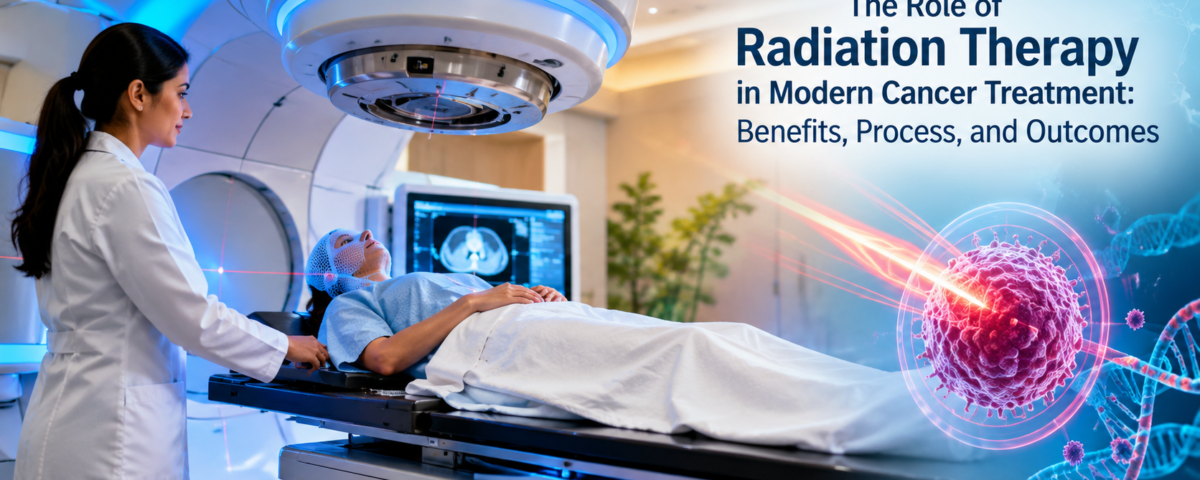
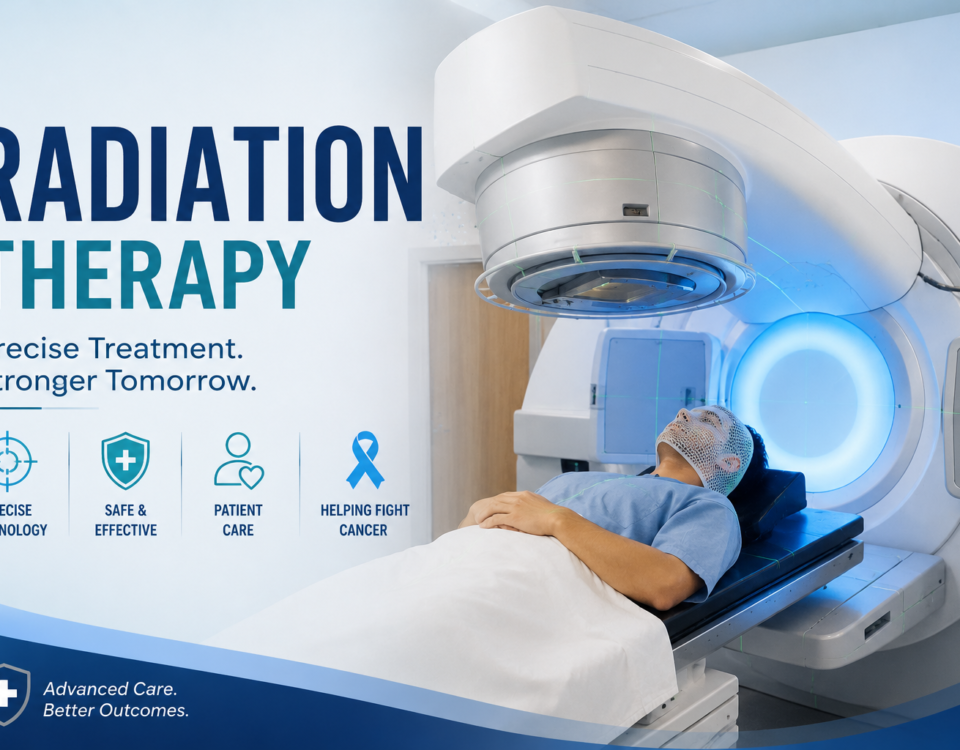
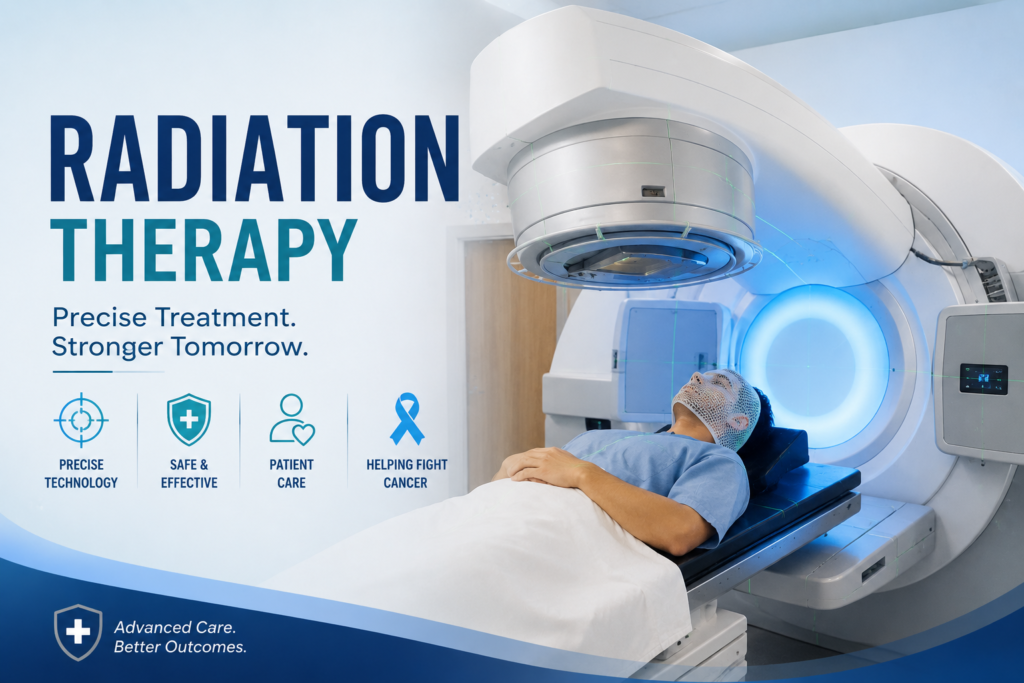
Radiation therapy is one of the most important tools in modern cancer treatment. It uses carefully controlled high-energy rays or particles to destroy cancer cells, shrink tumors, and help prevent cancer from spreading. For many patients, radiation therapy is a key part of care, either on its own or combined with surgery, chemotherapy, immunotherapy, or targeted treatment. Patients seeking advanced cancer care often consult specialists at the best cancer hospital in faridabad, where modern radiation therapy techniques are available to support personalized treatment plans. Over the years, advances in technology have made radiation therapy more precise, more effective, and safer for patient
Cancer treatment is never the same for every person. The type of cancer, the stage of the disease, the size and location of the tumor, and the patient’s overall health all influence the treatment plan. Radiation therapy plays a major role because it can be adapted to many different cancer types and treatment goals. It may be used to cure cancer, control its growth, reduce symptoms, or lower the chance of cancer returning.
What Radiation Therapy Is
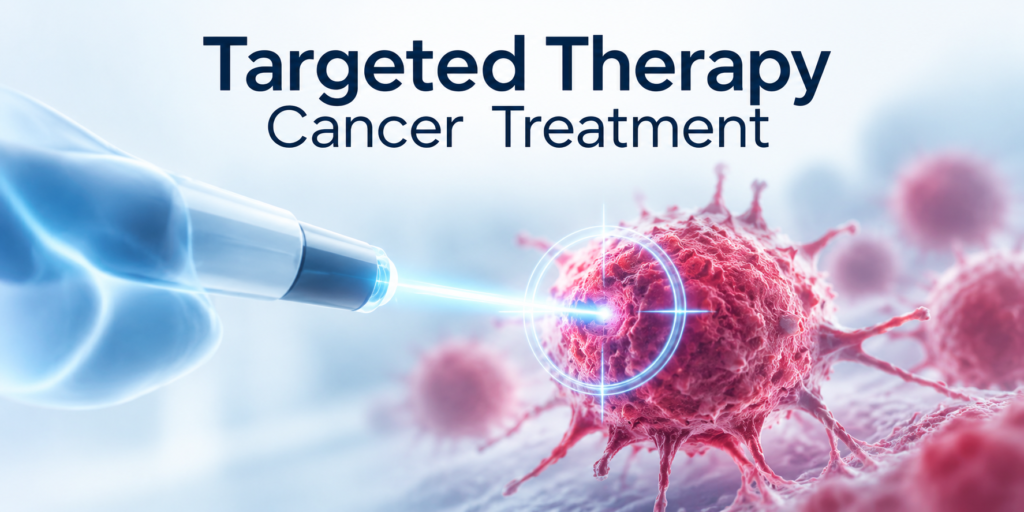
Radiation therapy works by damaging the DNA inside cancer cells. When this damage is too great, the cells can no longer grow or divide, and they eventually die. Unlike many healthy cells, cancer cells are less able to repair themselves after radiation exposure. This makes radiation therapy an effective way to target tumors.
There are two main types of radiation therapy:
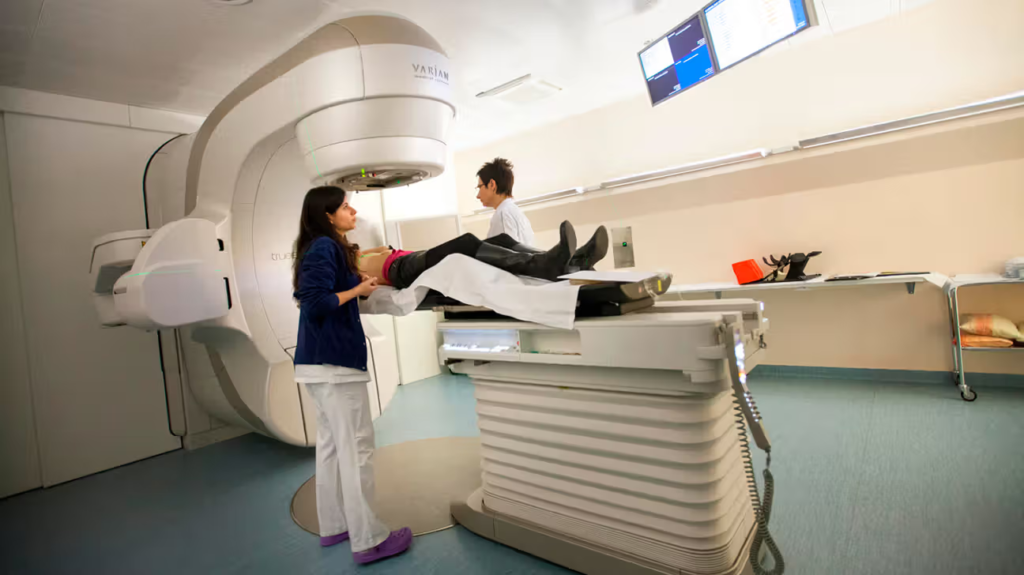
External beam radiation therapy is the most common type. It delivers radiation from a machine outside the body and focuses it on the cancer site.
Internal radiation therapy, also called brachytherapy, places a radiation source inside or near the tumor. This allows a high dose to be delivered directly to the cancer while limiting exposure to nearby healthy tissue.
In some cases, radiation may also be given through systemic treatment, where radioactive substances travel through the body to reach cancer cells.
Benefits of Radiation Therapy
Radiation therapy offers many important benefits in cancer care. One of the biggest advantages is that it can be highly targeted. Modern techniques allow doctors to focus treatment on the tumor while protecting surrounding healthy organs and tissues as much as possible.
Some of the key benefits include:
- It can destroy cancer cells without requiring major surgery.
- It may shrink tumors before surgery, making removal easier.
- It can eliminate remaining cancer cells after surgery.
- It may help relieve pain, bleeding, or pressure caused by advanced cancer.
- It can improve survival outcomes for many types of cancer.
Another major benefit is flexibility. Radiation therapy can be used in early-stage cancers, advanced cancers, and recurrent cancers. It can also be combined with other treatments to improve effectiveness. In some cases, it is the primary treatment. In others, it supports a broader treatment plan.
Radiation therapy can also improve quality of life. When cancer cannot be fully cured, radiation may still reduce symptoms and help patients feel more comfortable. This makes it an important part of both curative and palliative care.
The Radiation Therapy Process
The process of radiation therapy usually begins with a consultation and planning stage. During this phase, the medical team studies scans, imaging tests, and the patient’s medical history to design the safest and most effective treatment plan.
The process often includes the following steps:
- Consultation and evaluation
The oncologist reviews the diagnosis, explains the goal of radiation, and discusses possible side effects. - Simulation and planning
Special imaging scans are done to map the exact area that needs treatment. The patient may be positioned using custom supports or masks to keep the body still during treatment. - Treatment design
A radiation team uses the scan results to calculate the dose, angle, and number of sessions needed. The goal is to target the cancer precisely while reducing harm to healthy tissue. - Treatment sessions
The actual sessions are usually short and painless. Patients lie still while the machine delivers radiation. The procedure itself does not hurt, although some people may feel tired afterward. - Follow-up care
Doctors monitor progress, manage side effects, and adjust the treatment plan if needed.
Treatment schedules vary. Some patients receive therapy over a few weeks, while others may need a shorter or longer course depending on the cancer type and treatment goal.
Modern Advances in Radiation Therapy
Radiation therapy has changed a great deal in recent years. Earlier forms of treatment were less precise and often affected more healthy tissue. Today, advanced technologies make it possible to treat tumors with much greater accuracy.
Some important modern techniques include:
Intensity-modulated radiation therapy, which shapes radiation beams to match the tumor more closely.
Image-guided radiation therapy, which uses imaging during treatment to improve precision.
Stereotactic radiosurgery, which delivers very high doses in fewer sessions for small, well-defined tumors.
Proton therapy, which may reduce radiation exposure to nearby healthy tissues in certain cases.
These advances help reduce side effects and improve outcomes, especially for tumors near sensitive organs such as the brain, spine, lungs, or prostate.
Possible Side Effects
Although radiation therapy is effective, it can cause side effects. These depend on the area treated, the total dose, and the length of treatment. Some side effects happen during therapy, while others may appear later.
Common side effects may include:
- Fatigue
- Skin irritation in the treated area
- Hair loss in the treatment zone
- Loss of appetite
- Nausea
- Soreness or discomfort depending on the location treated
Most side effects are temporary and manageable. The medical team usually provides guidance on skin care, nutrition, rest, and symptom control. Patients are encouraged to report new or worsening symptoms early so that support can be given quickly.
Outcomes and Effectiveness
The outcomes of radiation therapy depend on many factors, including the type and stage of cancer, the patient’s general health, and how well the tumor responds to treatment. For some cancers, radiation therapy can cure the disease. For others, it can control growth for a long time or relieve symptoms effectively.
In combination with other treatments, radiation often improves the overall success of cancer care. It can reduce the risk of recurrence after surgery, make tumors smaller before an operation, and help shrink cancer that cannot be removed. In palliative care, it can greatly improve comfort and daily functioning.
Many patients are able to continue normal routines during treatment, though some may need more rest or medical support. Because the approach is carefully tailored to each person, outcomes are often better when treatment begins early and is closely monitored.
Why Radiation Therapy Remains Important
Radiation therapy remains a cornerstone of cancer treatment because it is versatile, precise, and effective. It can be used at different stages of disease and for many cancer types. It supports both cure and symptom relief, which makes it valuable across the full spectrum of oncology care.
As technology continues to improve, radiation therapy is becoming even more targeted and patient-friendly. Better imaging, better planning systems, and better delivery methods are helping doctors treat cancer more accurately than ever before. This gives patients stronger treatment options and better chances for successful outcomes.
Conclusion
Radiation therapy plays a vital role in modern cancer treatment. It helps destroy cancer cells, shrink tumors, ease symptoms, and improve outcomes for many patients. With advanced technology and individualized planning, it has become a highly precise and effective treatment option.
Whether used alone or with surgery and other therapies, radiation remains one of the most valuable tools in oncology. Its ability to balance effectiveness with safety makes it an essential part of modern cancer care. For patients and families facing cancer, understanding radiation therapy can make the treatment journey feel clearer and more manageable. Consulting the best surgical oncologist in faridabad alongside a multidisciplinary cancer care team can help patients explore the most appropriate treatment options and achieve the best possible outcomes throughout their cancer journey.