Lung Cancer: Everything You Need to Know About Diagnosis and Treatment

Understanding the Role of Genetics and Family History in Breast Cancer
June 24, 2026
Understanding Kidney Cancer: Causes, Symptoms, and Treatment Guide
July 2, 2026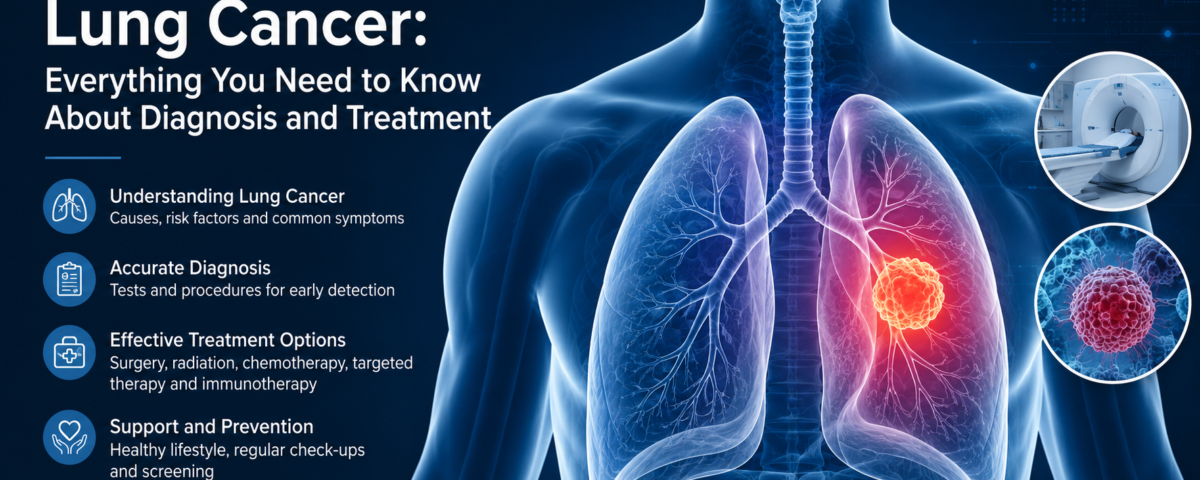
Lung cancer is one of the most common types of cancer worldwide and remains a leading cause of cancer-related deaths. However, advancements in medical technology, early diagnosis, and improved treatment options have significantly increased survival rates for many patients. Understanding the causes, symptoms, diagnosis, and treatment of lung cancer treatment in faridabad help individuals recognize warning signs early and seek timely medical care.
This guide explains everything you need to know about lung cancer, from its risk factors to the latest treatment approaches, helping you make informed decisions about your health.
What Is Lung Cancer?
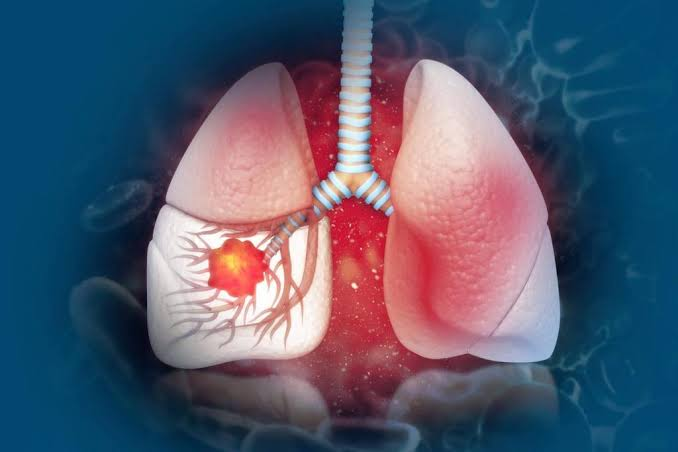
Lung cancer occurs when abnormal cells in the lungs begin to grow uncontrollably. These cells can form tumors that interfere with the normal functioning of the lungs. Over time, cancer cells may spread to other parts of the body through the bloodstream or lymphatic system, making treatment more challenging.
There are two primary types of lung cancer:
- Non-Small Cell Lung Cancer (NSCLC): This is the most common type and accounts for the majority of lung cancer cases. It usually grows more slowly than other forms.
- Small Cell Lung Cancer (SCLC): This type is less common but tends to grow and spread rapidly, requiring immediate treatment.
The type and stage of lung cancer determine the most suitable treatment plan.
Common Causes and Risk Factors
Although smoking is the leading cause of lung cancer, it is not the only factor. Many people who have never smoked can also develop the disease due to environmental or genetic factors.
Some common risk factors include:
- Smoking cigarettes, cigars, or pipes
- Exposure to secondhand smoke
- Contact with radon gas
- Exposure to asbestos and harmful industrial chemicals
- Air pollution
- Family history of lung cancer
- Previous radiation therapy to the chest
- Certain inherited genetic mutations
Reducing exposure to these risk factors can lower the chances of developing lung cancer, although it cannot eliminate the risk entirely.
Symptoms of Lung Cancer
Lung cancer often develops without noticeable symptoms in its early stages. As the disease progresses, several warning signs may appear.
Common symptoms include:
- Persistent cough that does not improve
- Chest pain
- Shortness of breath
- Coughing up blood
- Wheezing
- Hoarseness
- Unexplained weight loss
- Constant fatigue
- Frequent lung infections such as pneumonia or bronchitis
- Loss of appetite
These symptoms may also be caused by other medical conditions. However, if they continue for several weeks, it is important to consult a healthcare professional.
How Lung Cancer Is Diagnosed
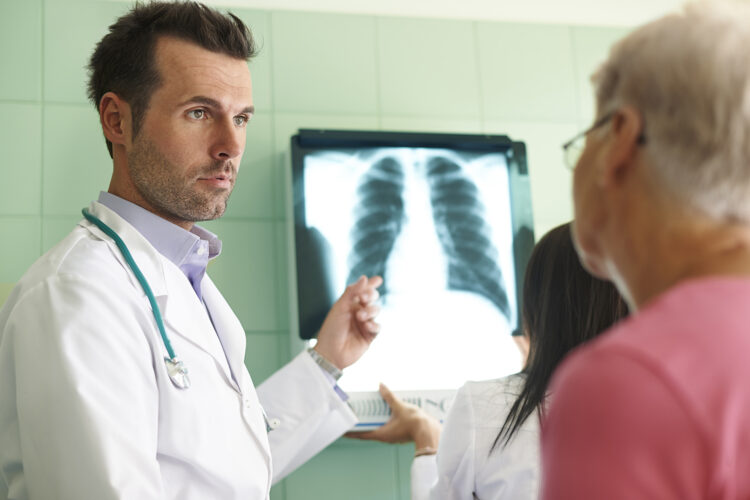
Early diagnosis plays a crucial role in improving treatment outcomes. Doctors use several tests and procedures to confirm the presence of lung cancer and determine its stage.
Common diagnostic methods include:
- Physical examination and medical history
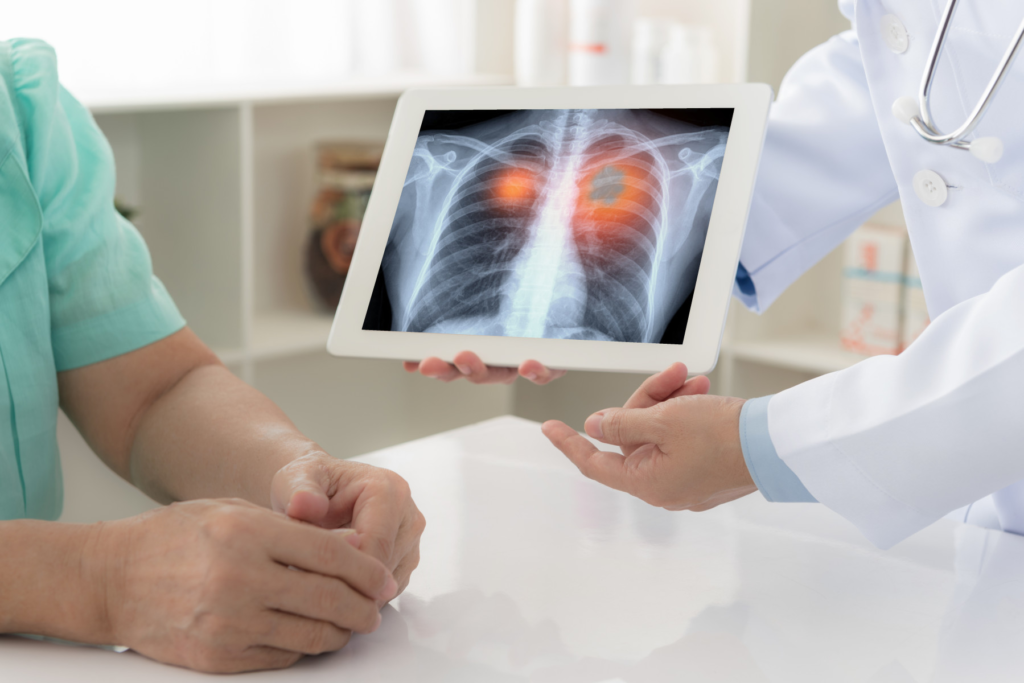
- Chest X-ray
- CT scan
- PET scan
- MRI scan if cancer spread is suspected
- Sputum cytology
- Bronchoscopy
- Needle biopsy
- Surgical biopsy
- Blood tests to assess overall health
Once cancer is confirmed, additional testing helps identify its stage, allowing doctors to create an effective treatment plan.
Stages of Lung Cancer
The stage of lung cancer indicates how far the disease has spread. This information helps determine the best treatment approach.
The stages generally include:
- Stage 0: Cancer is limited to the inner lining of the lungs.
- Stage I: Cancer is confined to one lung.
- Stage II: Cancer has spread to nearby tissues or lymph nodes.
- Stage III: Cancer has spread further within the chest.
- Stage IV: Cancer has spread to distant organs such as the liver, brain, bones, or adrenal glands.
Earlier stages usually have better treatment outcomes than advanced stages.
Treatment Options for Lung Cancer
Treatment depends on several factors, including the type of lung cancer, its stage, the patient’s overall health, and personal preferences.
Surgery
Surgery is often recommended for early-stage non-small cell lung cancer.
Common surgical procedures include:
- Wedge resection
- Segmentectomy
- Lobectomy
- Pneumonectomy
The goal is to remove the cancerous tissue while preserving as much healthy lung tissue as possible.
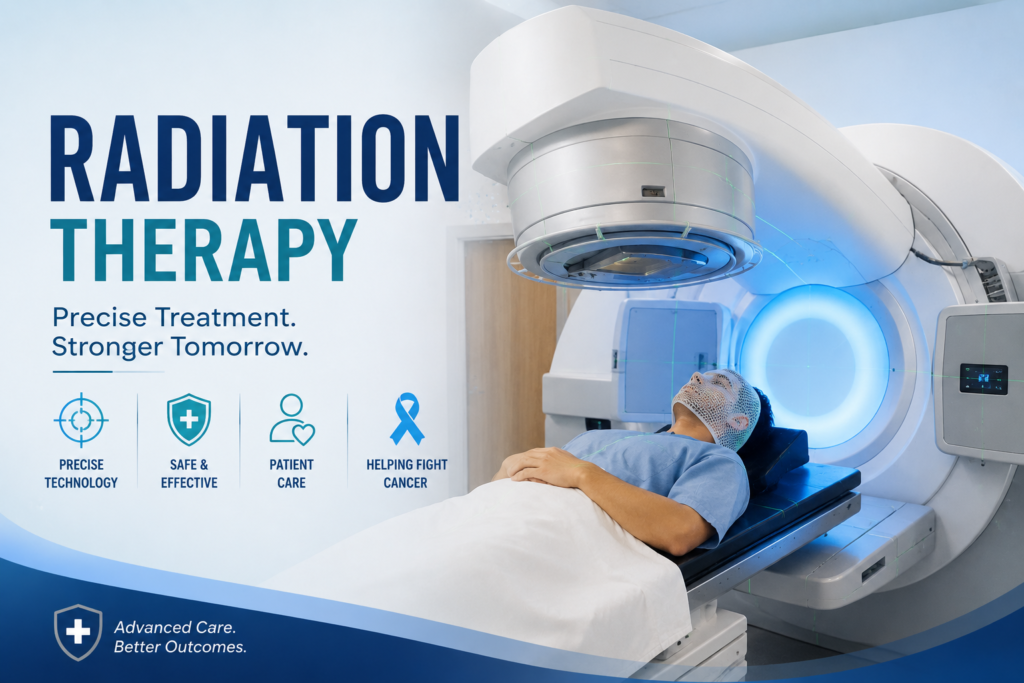
Radiation Therapy
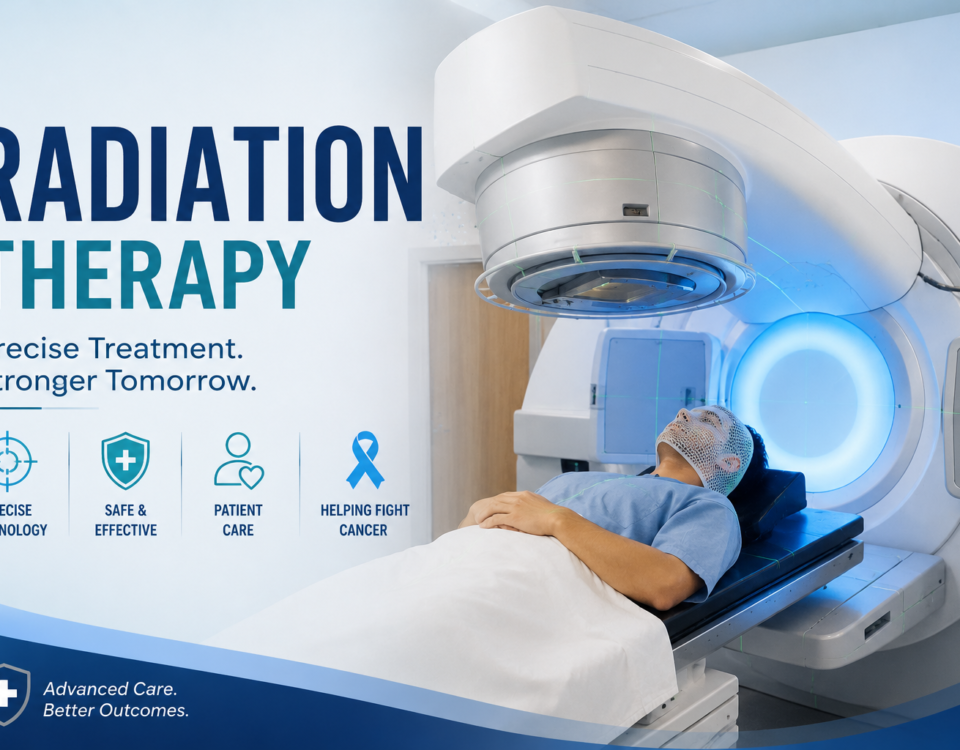
Radiation therapy uses high-energy beams to destroy cancer cells. It may be used:
- Before surgery to shrink tumors
- After surgery to remove remaining cancer cells
- As the primary treatment when surgery is not possible
- To relieve symptoms in advanced cancer
Modern radiation techniques allow doctors to target tumors more precisely while minimizing damage to surrounding healthy tissues.
Chemotherapy
Chemotherapy uses medications to kill rapidly growing cancer cells. It may be administered:
- Before surgery
- After surgery
- Along with radiation therapy
- For advanced-stage lung cancer
Although chemotherapy can cause side effects, supportive medications have greatly improved patient comfort during treatment.
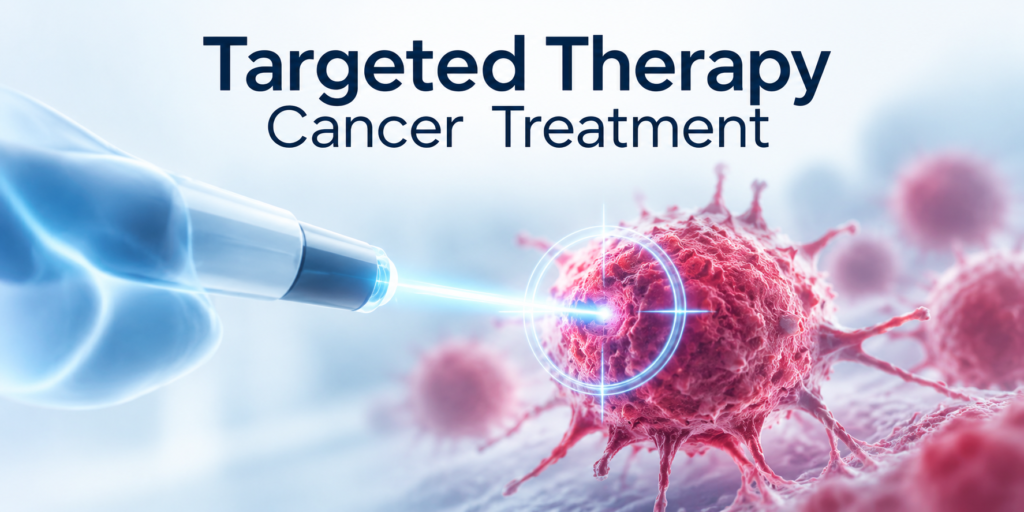
Targeted Therapy
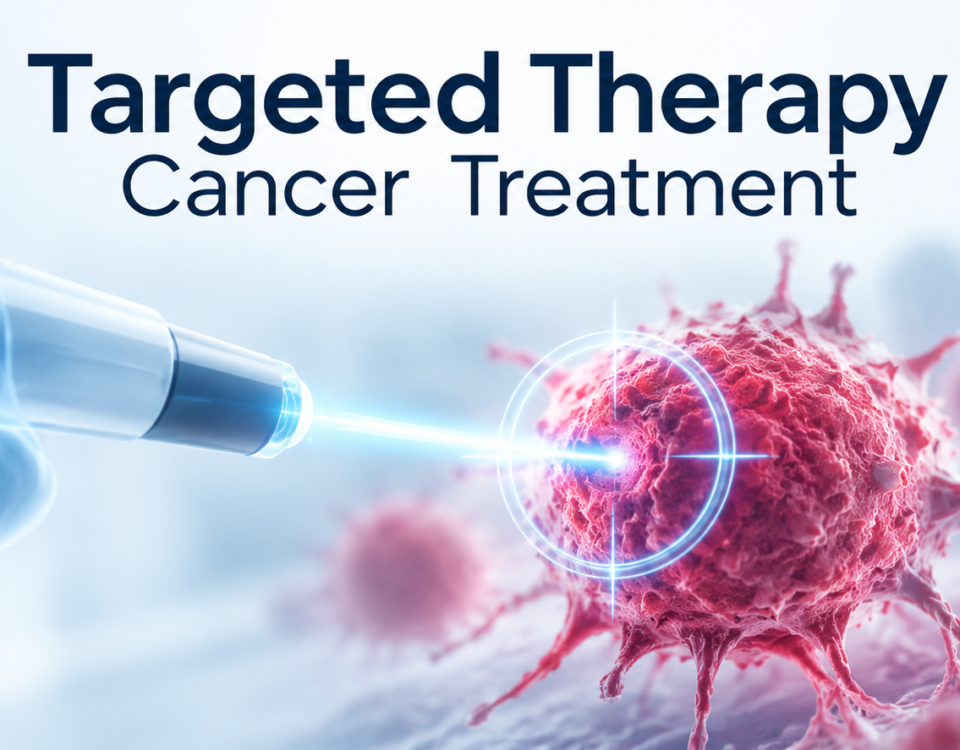
Targeted therapy focuses on specific genetic mutations found in cancer cells. Before starting treatment, doctors often perform molecular testing to identify these mutations.
Targeted drugs may provide better results with fewer side effects than traditional chemotherapy for eligible patients.
Immunotherapy
Immunotherapy helps the body’s immune system recognize and attack cancer cells more effectively.
This treatment has become an important option for many patients with advanced non-small cell lung cancer and has improved long-term survival in selected cases
Living with Lung Cancer
A lung cancer diagnosis can be emotionally and physically challenging. Proper support and healthy lifestyle habits can improve quality of life during treatment.
Helpful lifestyle practices include:
- Quit smoking completely.
- Eat a balanced and nutritious diet.
- Stay physically active according to your doctor’s advice.
- Get enough rest and sleep.
- Attend all follow-up appointments.
- Take medications as prescribed.
- Join support groups for emotional encouragement.
- Discuss any side effects with your healthcare team promptly.
Family support, counseling, and rehabilitation services can also play an important role throughout the treatment journey.
Can Lung Cancer Be Prevented?
While not every case can be prevented, several steps can reduce the risk of developing lung cancer.
Preventive measures include:
- Avoid smoking and tobacco products.
- Stay away from secondhand smoke.
- Test homes for radon exposure when appropriate.
- Follow workplace safety guidelines around hazardous materials.
- Maintain a healthy diet rich in fruits and vegetables.
- Exercise regularly.
- Reduce exposure to air pollution whenever possible.
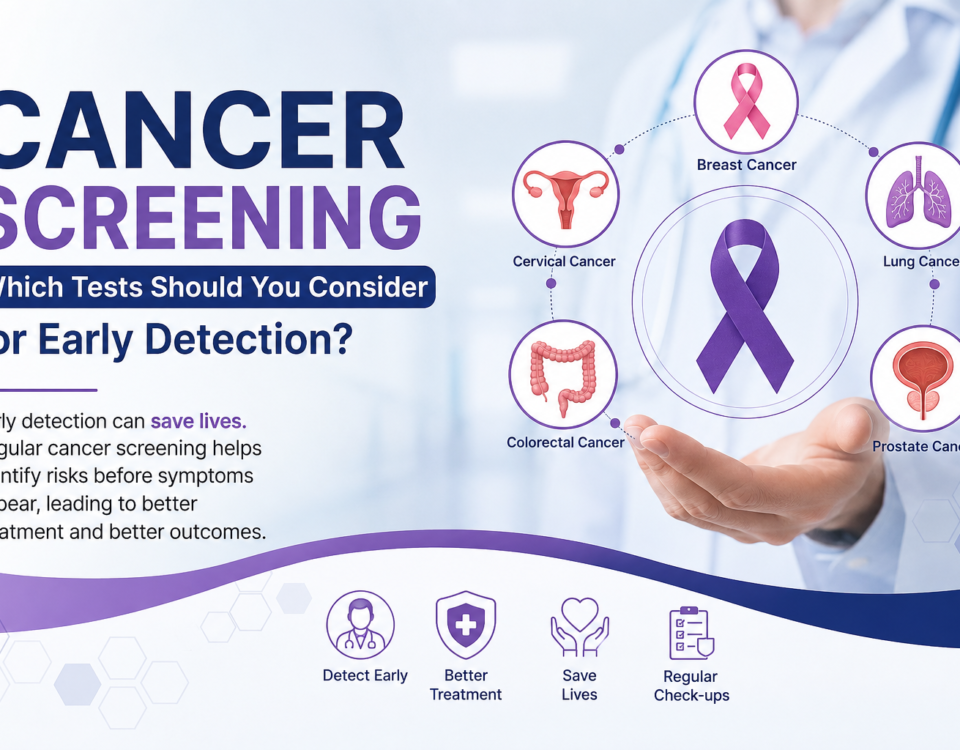
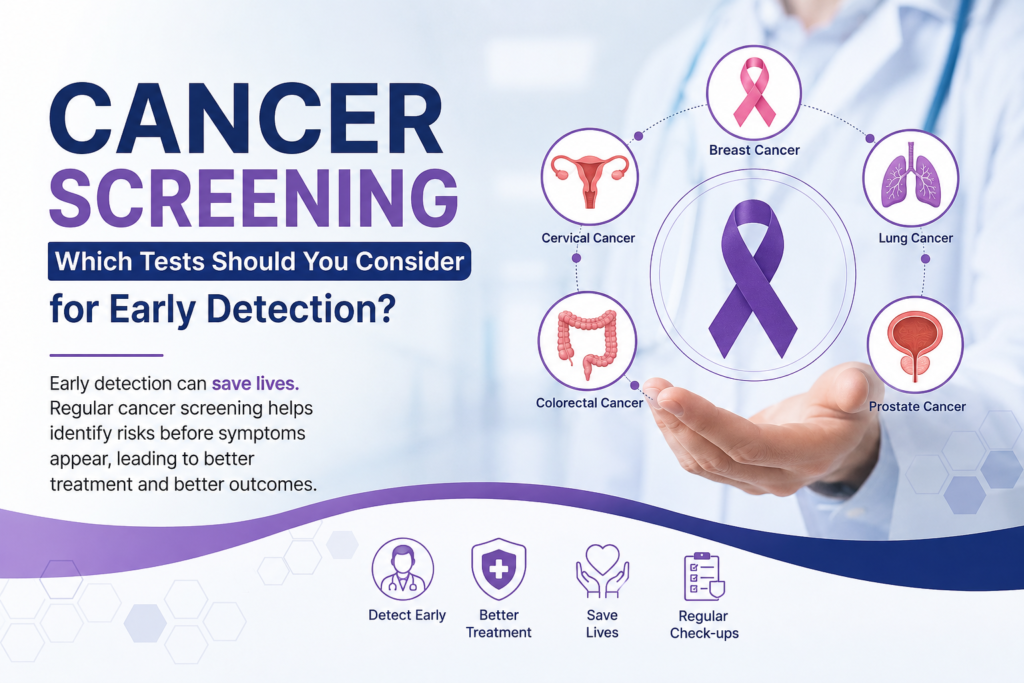
- Consider regular lung cancer screening if you are at high risk based on age and smoking history.
Early detection through screening can identify lung cancer before symptoms appear, improving the chances of successful treatment.
Importance of Early Detection
Detecting lung cancer at an early stage often allows for more treatment options and better outcomes. Individuals with a long history of smoking or other significant risk factors should discuss screening with their healthcare provider.
Low-dose CT scans have become an effective screening tool for people at high risk and can detect small tumors before they become symptomatic.
Regular medical check-ups and paying attention to persistent respiratory symptoms can make a significant difference in early diagnosis.
Conclusion
Lung cancer is a serious disease, but medical advancements have transformed the way it is diagnosed and treated. From advanced imaging techniques and molecular testing to targeted therapy and immunotherapy, patients today have access to more personalized treatment options than ever before. Choosing a trusted cancer treatment hospital in faridabad can also play a vital role in ensuring timely diagnosis, access to experienced specialists, and comprehensive treatment tailored to each patient’s condition.
Understanding the symptoms, recognizing risk factors, and seeking medical attention early are essential steps toward better outcomes. Adopting healthy lifestyle habits, avoiding tobacco, and participating in recommended screening programs can also help reduce the burden of lung cancer.
If you experience ongoing respiratory symptoms or have concerns about your risk, consult a qualified healthcare professional for timely evaluation. Early diagnosis and appropriate treatment remain the strongest tools in improving survival and maintaining a better quality of life.